
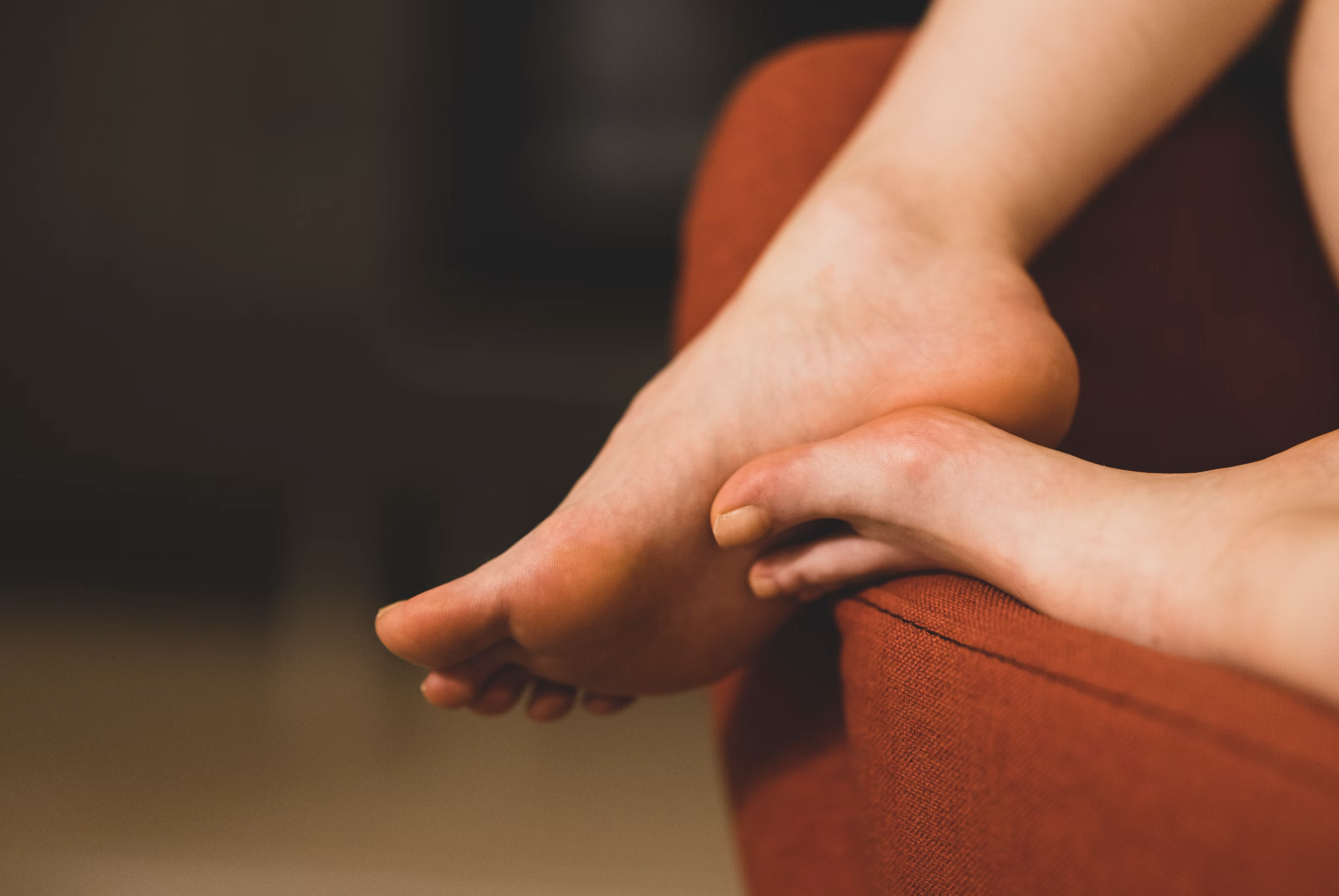
Do People with Flat Feet Need Arch Support? Our Guide
Most people with flat feet do benefit from arch support, but the answer depends on your foot type and whether you have symptoms. If your flat feet cause pain, fatigue, or affect how you move, arch support can make a real difference. If you have flat feet with no symptoms at all, you may not need it.
This guide covers the two types of flat feet, how to identify which one you have at home, and what kind of arch support actually helps, based on what podiatrists and sports medicine experts recommend.
Key Takeaways
- Not all flat feet are the same. Flexible flat feet respond differently to arch support than rigid flat feet.
- Arch support is most helpful when flat feet cause pain, fatigue, or alignment problems.
- OTC insoles are the right starting point for most people; custom orthotics are for severe or unresolved cases.
- A simple at-home test can identify your flat foot type before you spend anything.
- Strengthening exercises should complement arch support, not replace it.
Not All Flat Feet Are the Same
“Do I need arch support?” seems like a simple question. But the answer depends on which type of flat feet you have, and this distinction is what most guides skip, even though it changes the recommendation entirely.
Flexible Flat Feet
Flexible flat feet are by far the most common type. When you sit down or lift your foot off the ground, an arch is visible. When you stand and put weight on it, the arch disappears. The foot is functioning as it should under load; it is simply highly mobile.
Many people with flexible flat feet have no pain at all. Their feet pronate (roll inward) more than average, but the muscles and tendons handle it without issue. For this group, arch support is helpful when symptoms appear, but it is not always essential.
Rigid Flat Feet
Rigid flat feet show no arch in any position, sitting, standing, or on tiptoe. This is a structural condition often linked to fused bones (tarsal coalition), arthritis, or posterior tibial tendon dysfunction (PTTD). The foot simply cannot form an arch.
This type is less common but far more likely to cause pain, stiffness, and gait problems. Rigid flat feet almost always benefit from arch support, and many cases require a podiatrist’s assessment for proper management.
How to Tell Which Type You Have (The Wet Foot Test)
The wet foot test is a simple way to assess your arch type at home. You need nothing more than water and a piece of paper.
- Wet the sole of your foot completely.
- Step firmly onto a piece of paper or a dry surface.
- Step off and examine the imprint.
What to look for:
- Full imprint with little or no curve on the inner edge: flat feet (likely flexible)
- A moderate curve inward on the inner edge: normal arch
- A very narrow band connecting heel to forefoot: high arch
If your imprint is flat but you feel no pain during normal activity, you likely have flexible flat feet that don’t require intervention. If pain accompanies the flat imprint, that is when arch support becomes important.
Good to Know
According to UCLA Health, it is completely normal for children under age five to have flat feet. Arches typically develop between ages three and ten. If your child has flat feet without pain or walking difficulties, a wait-and-see approach is usually appropriate before considering any support.

Do People With Flat Feet Need Arch Support?
The short answer: it depends. The longer answer is more useful.
Arch support helps when flat feet are causing problems. It does little when flat feet are symptom-free. Here is how to think through each scenario.
When Arch Support Helps
Arch support is recommended when flat feet contribute to pain or alignment issues. Podiatrists suggest it when you experience:
- Pain along the inner arch or heel after standing or walking
- Foot fatigue that sets in faster than it should (within an hour of standing)
- Knee, hip, or lower back pain linked to overpronation
- Plantar fasciitis, one of the most common conditions associated with flat feet
- Shin splints from running or extended periods on your feet
The NBA players with flat feet who perform at the highest level make the point clearly: arch support and orthotics are standard parts of their foot care, not optional extras. For most people with flexible flat feet and mild-to-moderate symptoms, a quality OTC insole with a firm arch structure is an effective first step.
When Arch Support Is Not Enough
For rigid flat feet, or cases involving posterior tibial tendon dysfunction (PTTD), arch support alone may not resolve the problem. PTTD is a condition where the tendon that supports the arch becomes damaged or inflamed, causing the arch to collapse progressively over time. It requires a specific treatment plan that may include physical therapy, immobilization, or in severe cases, surgery.
If your flat feet come with significant ankle pain, inner heel tenderness that does not respond to insoles, or visible ankle rolling inward over time, see a podiatrist. Arch support is part of the treatment, but not the whole answer.
Can Arch Support Make Flat Feet Worse?
This question comes up regularly, and it deserves a direct answer. Some sources suggest that arch support weakens the intrinsic foot muscles by doing the work those muscles would otherwise do. There is limited evidence that long-term passive support, without any foot strengthening, can reduce muscle activation over time.
The practical solution is not to avoid arch support; it is to use it alongside strengthening exercises. Insoles provide immediate pain relief and alignment correction. Exercises build the foot’s long-term capacity to support itself. Used together, they work better than either does alone.
Types of Arch Support for Flat Feet
Not all arch support products are the same. Understanding the difference helps you make the right call without overspending.
OTC Insoles (When to Start Here)
Over-the-counter insoles are the correct starting point for most people with flat feet. They are affordable, available without a prescription, and effective for mild-to-moderate symptoms.
What to look for in an OTC insole for flat feet:
- Firm arch post: a structured ridge along the medial (inner) arch, not just soft foam
- Deep heel cup: stabilizes the rearfoot and reduces rolling
- Full-length cushioning: distributes pressure across the entire foot
- Trimmable fit: allows sizing adjustment for any shoe
The ComfortMax Flat Feet Insoles (39.99, down from 60.99) are built specifically for this use case. Their multi-layer EVA and memory foam construction with a built-in medial arch post mirrors what podiatrists recommend for flexible flat feet. At 39.99 versus 300–$600 for custom orthotics, they represent strong value, and free returns remove any risk.
Give OTC insoles 4–6 weeks of consistent daily use before drawing conclusions. Most people notice improvement in comfort within the first two weeks.
Custom Orthotics (When to Upgrade)
Custom orthotics are prescribed and manufactured to the exact shape of your foot. They are the right choice when:
- OTC insoles have not resolved your pain after 6–8 weeks of consistent use
- You have rigid flat feet or a diagnosed condition like PTTD
- Significant overpronation is causing knee, hip, or back problems
- A podiatrist has specifically recommended them after assessment
The cost ranges from 300 to 600 and requires a podiatrist visit for casting and prescription. For most people with flexible flat feet and common symptoms, this level of intervention is not the first step.
Important
If you notice sharp pain on the inner ankle, visible swelling, or your ankle rolling noticeably inward during daily activity, see a podiatrist before self-treating. These can be signs of posterior tibial tendon dysfunction (PTTD), which requires professional diagnosis and a specific treatment plan, not just an insole.
Activity-Specific Guidance for Flat Feet
The right support depends not just on your foot type, but on what you’re doing. Different activities place different demands on the arch.
Standing Jobs (Retail, Healthcare, Warehouse)
People who stand 6–10 hours a day feel the effects of flat feet most acutely. The arch manages continuous load without meaningful recovery time, which accelerates fatigue and worsens pain over a shift.
For standing workers, prioritise:
- A firm arch post, not a soft foam arch
- A deep heel cup to reduce rearfoot fatigue
- Full-length cushioning to spread forefoot pressure
- Multi-density foam that maintains structure over a long shift
Replace insoles every 6–8 months with heavy daily use, once the foam compresses, the support is gone even if the insole looks intact.
Running With Flat Feet
Running multiplies the mechanical demands on flat feet. Each foot strike sends impact force through the arch and up the kinetic chain. Flat feet that are painless during walking can become a problem once you’re covering real mileage.
For runners with flat feet:
- Start with a motion control or stability running shoe as the foundation
- Add a firm arch support insole for additional correction
- Avoid zero-drop or minimalist shoes, these work better for runners with supination or high arches
- Build mileage gradually to give tendons and muscles time to adapt
Casual Walking
For everyday walking and light activity, support requirements are less demanding. A moderate-arch OTC insole inside a supportive shoe is typically enough for flexible flat feet with mild symptoms. If you’re covering significant distances, travel days, theme parks, long commutes, lean toward firmer support and replace insoles more frequently.
Flat Feet Exercises That Strengthen Your Arch
Exercises will not restructure a flat foot, but they do strengthen the intrinsic muscles and reduce how much you rely on passive support over time. These are worth adding alongside arch support insoles.
Towel toe curls: Place a small towel on the floor. Use your toes to scrunch it toward you. Repeat 10–15 times per foot, twice daily. This targets the small muscles under the arch.
Short foot exercise: While seated, draw the ball of your foot toward your heel without curling your toes. Hold for five seconds, release. This activates the intrinsic arch muscles directly.
Calf raises: Stand on a step with your heels hanging off the edge. Lower your heels below step level, then rise onto your tiptoes. This strengthens the posterior tibial tendon, the tendon most critical for arch support.
Single-leg balance: Stand on one foot for 30–60 seconds. Progress to an uneven surface over time. This improves proprioception and ankle stability, both of which support the arch indirectly.
If you’re working on lower body movements like squats, squatting with flat feet requires some technique adjustments that become much easier once the arch has adequate support and the surrounding muscles are stronger.
Five to ten minutes daily, consistently over 8–12 weeks, produces meaningful results.
When to See a Podiatrist
Most flat feet cases respond well to conservative management. But see a podiatrist if:
- Pain persists after 6–8 weeks of consistent insole use and exercise
- Your ankle is visibly rolling inward during normal walking
- The inner ankle area is swollen, tender to touch, or warm
- Pain is limiting your ability to work or stay active
- Your foot shows no arch in any position (sitting, standing, tiptoe)
A podiatrist can confirm your flat foot type, rule out PTTD or other structural conditions, and prescribe custom orthotics when appropriate. According to the American Podiatric Medical Association, flat feet that cause pain or functional limitations should always be professionally evaluated. The Cleveland Clinic also notes that rigid flat feet in particular carry a higher risk of complications if left unmanaged.
Conclusion
Do people with flat feet need arch support? For most, especially those with pain, fatigue, or noticeable overpronation, yes. The type of support you need depends on whether your flat feet are flexible or rigid, and how active you are.
Start with a quality OTC insole with a firm arch post and deep heel cup. Give it 4–6 weeks of consistent use before deciding. Add foot-strengthening exercises to build capacity over time. If symptoms persist or worsen, see a podiatrist for a proper assessment.
For flexible flat feet with mild-to-moderate symptoms, the best insoles for flat feet deliver orthotic-level support at $39.99, with free returns and a 30-day money-back guarantee so there’s no risk to trying them.
Struggling with flat feet pain?
Our ComfortMax insoles are designed specifically for flat feet, orthotic-level support at a fraction of the cost.
Shop Flat Feet Insoles →Free returns on all orders · 30-day money-back guarantee
Frequently Asked Questions
Why does arch support hurt my flat feet?
New arch support can cause temporary discomfort during the first one to two weeks as your feet adjust to a different load distribution. If pain continues beyond two weeks, the insole may not match your arch height or foot type. Try a lower-profile arch post, or consult a podiatrist for a customized fit recommendation.
Can flat feet be corrected permanently?
In children, arches sometimes develop naturally through childhood and early adolescence. For adults, the structural shape of the foot does not change without surgery. However, consistent strengthening exercises can significantly improve how the foot functions and reduce symptoms, without correcting the underlying shape.
What is the difference between flexible and rigid flat feet?
Flexible flat feet have an arch that appears when the foot is off the ground but collapses under body weight. Rigid flat feet have no visible arch in any position. Flexible flat feet are more common and often asymptomatic. Rigid flat feet are more likely to cause persistent pain and typically require a podiatrist’s assessment.
Are OTC insoles as good as custom orthotics for flat feet?
For most people with flexible flat feet and mild-to-moderate symptoms, a quality OTC insole is effective and significantly more affordable. Custom orthotics are worth the investment when OTC insoles have not resolved symptoms after 6 to 8 weeks, or when a podiatrist identifies a structural condition that requires a precisely fitted device.
Do children with flat feet need arch support?
Not always. Most children under age five have flexible flat feet, and arch development typically completes by age ten. If your child has flat feet without pain or walking difficulties, watchful waiting is usually appropriate. If pain or gait problems are present, consult a podiatrist before using adult insoles.
How long does it take for arch support insoles to work?
Most people notice improved comfort within one to two weeks of daily use. For meaningful pain reduction and gait improvement, allow 4 to 6 weeks before evaluating whether the insole is the right fit. Pairing insoles with foot-strengthening exercises accelerates results.