Supination Flat Feet: Causes, Symptoms & How to Treat Them
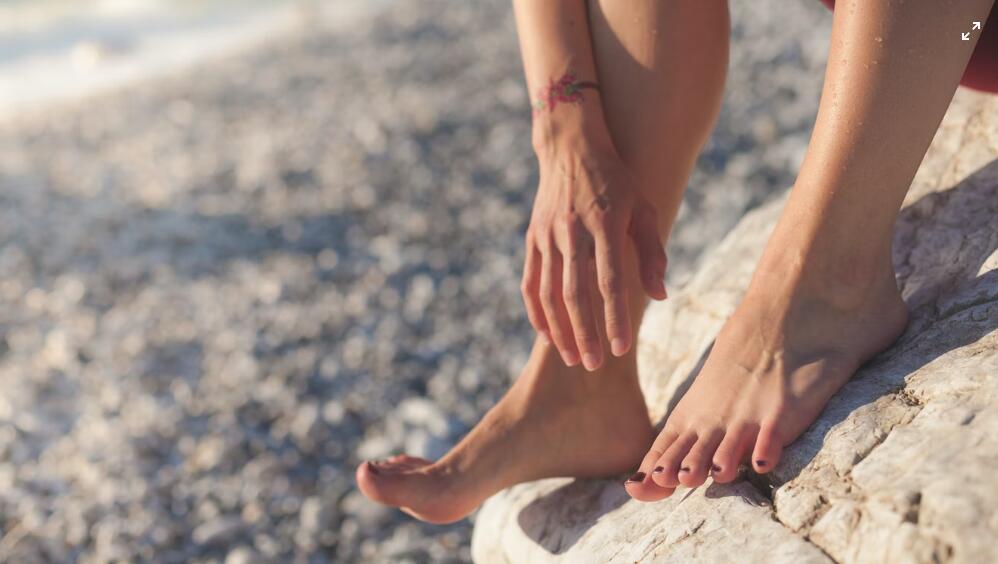
Supination flat feet, also called underpronation, occur when the foot rolls outward excessively with each step, instead of distributing weight evenly across the arch. This places concentrated stress on the outer edge of your foot, ankle, and lower leg, and over time leads to pain, instability, and a cluster of associated conditions.
The good news is that supination flat feet respond well to conservative treatment. Most people manage the condition effectively with the right footwear, targeted insoles, and a few consistent exercises. This guide covers what causes it, how to identify it yourself at home, and exactly what works.
Key Takeaways
- Supination flat feet cause the foot to roll outward, concentrating stress on the outer foot and ankle.
- Common symptoms include outer foot pain, shin splints, recurring ankle sprains, and tight Achilles tendons.
- The shoe wear test is a simple, no-cost way to confirm you supinate before spending anything.
- OTC insoles with lateral support and cushioning are the recommended first-line treatment for most people.
- Strengthening the peroneal muscles reduces outward rolling and improves long-term ankle stability.
What Are Supination Flat Feet?
Supination flat feet, also known as underpronation, describe a condition where the foot rolls outward excessively during walking or running. Instead of weight rolling slightly inward to distribute shock across the arch, it rolls toward the outer edge, placing disproportionate stress on the smaller toes, outer ankle, and lateral leg muscles.
The forefoot bones (metatarsals) fail to engage the arch properly, which strips the foot of the shock-absorbing capacity it needs for normal movement. This pattern is often hereditary, if one or both parents have the condition, there is a higher likelihood their children will develop it too.
Unlike most flat feet cases, which involve the foot rolling inward (overpronation), supination flat feet roll in the opposite direction. This distinction changes the treatment approach entirely, which is why accurate identification matters before choosing insoles or footwear.
Supination vs. Overpronation: What Is the Difference?
Supination and overpronation are opposite conditions that are regularly confused. Both affect how the foot rolls during movement, but in different directions, and they require different solutions.
| Condition | Foot Roll | Common Symptoms | Insole Approach |
|---|---|---|---|
| Supination (underpronation) | Outward | Outer foot pain, ankle sprains, shin splints | Lateral cushioning, neutral support |
| Overpronation | Inward | Inner arch pain, knee pain, plantar fasciitis | Medial arch post, motion control |
If your pain concentrates on the outer edge of your foot, along the pinky toe side, supination is more likely. If pain is along the inner arch or heel, overpronation is the more probable cause. A gait analysis from a podiatrist confirms which you have.
What Causes Supination Flat Feet?
Several factors contribute to supination flat feet, often in combination:
Genetics: Foot structure and gait mechanics are largely inherited. If a parent has supination or low-arch flat feet, there is an elevated chance the condition passes down.
Peroneal muscle weakness: The peroneal muscles run along the outer lower leg and stabilize the ankle. When they are too weak to control the foot’s outward roll, supination develops or worsens.
Past ankle injuries: Lateral ankle sprains that heal improperly alter gait mechanics and create compensation patterns. Repeated sprains on the same ankle are both a symptom and a cause.
Footwear: Rigid shoes with insufficient cushioning, or shoes designed for a different gait pattern, can worsen supination over time. High heels shift weight forward onto the forefoot and disrupt normal movement.
Neurological conditions: In some cases, supination is linked to conditions such as Charcot-Marie-Tooth disease or cerebral palsy, which affect muscle control and foot structure. These cases require medical management alongside footwear interventions.
Symptoms of Supination Flat Feet
Supination flat feet produce a recognizable pattern of symptoms concentrated on the outer side of the foot and lateral leg:
- Outer foot pain: Aching or soreness along the pinky toe side, especially during or after physical activity
- Ankle instability and sprains: The outward roll makes the ankle prone to rolling on uneven ground, increasing sprain frequency
- Tight Achilles tendons: Supination shortens the outer calf and Achilles, causing stiffness, particularly noticeable in the morning or after sitting
- Shin splints: Specifically anterior shin splints, where pain sits on the front of the lower leg, because supinators absorb impact on the outer foot without adequate arch cushioning
- Plantar fasciitis: Lateral stress on the plantar fascia triggers inflammation, particularly at the outer heel attachment
- Calluses and bunionettes: Repeated pressure on the outer foot builds calluses on the lateral forefoot; a bunionette (tailor’s bunion) on the pinky toe joint is a common long-term development
- Hip and lower back pain: Poor foot alignment sends compensatory stress up the kinetic chain, into the knee, hip, and lumbar spine
Symptoms typically worsen with increased activity, longer periods on your feet, or wearing unsupportive shoes.
How to Tell if Your Feet Supinate
Before buying insoles or new footwear, confirm supination at home using two simple tests.
The Shoe Wear Test
Examine the sole of a well-worn pair of shoes. Where is the tread worn down most?
- Outer heel and outer forefoot: Strong indicator of supination, this is where supinators concentrate most of their weight
- Inner heel and inner forefoot: Indicates overpronation
- Even wear across the full forefoot: Neutral gait
This test costs nothing and takes 30 seconds. It is the most practical first step before any other intervention.
The Wet Foot Test
Wet the sole of your foot completely and step firmly onto a piece of paper or a dry surface. Step off and examine the imprint.
- Full imprint with a broad middle section: Low or flat arch, often associated with overpronation
- Narrow band connecting heel to forefoot, or no connection at all: High arch, which correlates with supination tendency
Both tests are indicators, not diagnoses. A podiatrist’s gait analysis is more reliable and worth pursuing if symptoms are persistent or affecting your daily activity.
Good to Know
Supination is often misidentified as overpronation because both conditions involve flat or low arches. The key difference is where your pain and shoe wear concentrate. Outer foot wear and outer foot pain point to supination. Inner foot wear and inner arch pain point to overpronation. The treatment approach is different for each, so it is worth getting this right before purchasing insoles.
Diagnosis of Supination Flat Feet
A healthcare professional diagnoses supination flat feet through a physical examination evaluating foot structure, gait pattern, and muscle balance. Gait analysis, walking or running while a specialist observes and records foot mechanics, is the most accurate method available.
In some cases, imaging such as X-rays or MRI may be recommended if bony structural problems or soft tissue damage are suspected. A certified pedorthist or podiatrist can also assess shoe wear patterns and provide targeted footwear recommendations based on your specific mechanics.
Treatment Options for Supination Flat Feet
Most cases of supination flat feet respond well to conservative treatment. The goal is to reduce the outward foot roll, absorb lateral impact more effectively, and lower stress on the affected structures.
Orthotic Shoe Inserts
OTC insoles with lateral support are the most accessible and cost-effective first-line treatment. Unlike insoles for overpronation, which use a firm medial arch post to control inward rolling, insoles for supination need to cushion the outer foot and provide a neutral base that allows more natural movement.
What to look for in an insole for supination flat feet:
- Lateral cushioning: Absorbs the concentrated impact on the outer foot
- Deep heel cup: Stabilizes the rearfoot and limits ankle drift
- Full-length design: Distributes pressure evenly rather than concentrating it at the heel or ball
- Neutral support: No aggressive medial arch post that would worsen outward roll
The ComfortMax Flat Feet Insoles (39.99, down from 60.99) provide the cushioning and heel stabilization that supination flat feet require. At 39.99 versus 300–$600 for custom orthotics, they represent strong value, and free returns remove the risk of trying them first.
Supportive Footwear
Footwear for supinators should prioritize cushioning and flexibility rather than motion control. Motion control shoes are engineered for overpronators and force the foot into an inward roll, the opposite of what a supinator needs.
Look for:
- Extra cushioning in the midsole (EVA foam or gel)
- Flexible construction that allows natural foot movement
- Neutral or slight cushioning category (not “motion control” or “stability”)
- Roomy toe box that does not compress the outer forefoot
Brands commonly recommended for supinators include Brooks, ASICS, New Balance, and Saucony in their neutral cushioning lines.
Physical Therapy
A physical therapist can assess the full kinetic chain, from foot position through ankle, knee, hip, and lower back, and build a program to address the root muscle imbalances. Sessions typically combine hands-on work on tight structures (calf, IT band, peroneal muscles) with progressive strengthening protocols.
Important
If you experience sharp outer ankle pain, visible swelling, or have sprained the same ankle more than twice, see a podiatrist before self-treating. Repeated lateral ankle sprains can damage the peroneal tendons and ligaments progressively, and ongoing instability requires professional evaluation, not just an insole change.
Exercises to Help Correct Supination Flat Feet
Exercises do not restructure the foot, but they strengthen the muscles that control outward rolling and reduce how far the foot supinates with each step. Focus on the peroneal muscles, ankle stabilizers, and intrinsic foot muscles. Five to ten minutes daily, consistently over 8–12 weeks, produces meaningful improvement.
Calf Raises
Stand on a step with your heels hanging off the edge. Lower your heels slowly below step level, then rise onto your tiptoes and hold for two seconds. Lower back down under control. Three sets of 15 repetitions. This strengthens the gastrocnemius and posterior tibial muscles while improving ankle control through the full range of motion.
Lateral Band Walks
Place a resistance band just above your ankles. Stand with feet hip-width apart and a slight bend in the knees. Step sideways for 15 steps in one direction, then return. This directly targets the peroneal muscles responsible for controlling lateral foot roll, the exact muscles that weaken in supination.
Towel Toe Scrunches
Place a small towel flat on the floor. Use your toes to scrunch it toward you without lifting the ball of your foot. Hold the scrunch for three seconds, release, and repeat 15 times per foot, twice daily. This activates the intrinsic arch muscles that stabilize the foot from underneath.
Ankle Alphabet
Sit with your foot off the ground. Use your big toe as a pen and trace each letter of the alphabet in the air, moving from the ankle, not the knee. This takes the ankle through its full range of motion and builds the proprioceptive awareness that prevents outward rolling on uneven surfaces.
Single-Leg Balance
Stand on one foot for 30–60 seconds. Once you can do this steadily, progress to a folded towel or balance disc for added challenge. This improves the ankle stability and body awareness that reduce the frequency of lateral ankle rolls. Aim for three sets per leg, daily.
For those combining foot strengthening with lower body training, squatting with flat feet requires specific technique adjustments that protect the outer foot and ankle while still building strength effectively.
Activity-Specific Guidance for Supination Flat Feet
The right approach depends not just on your foot type but on how you use your feet. Different activities place different demands on the lateral structures.
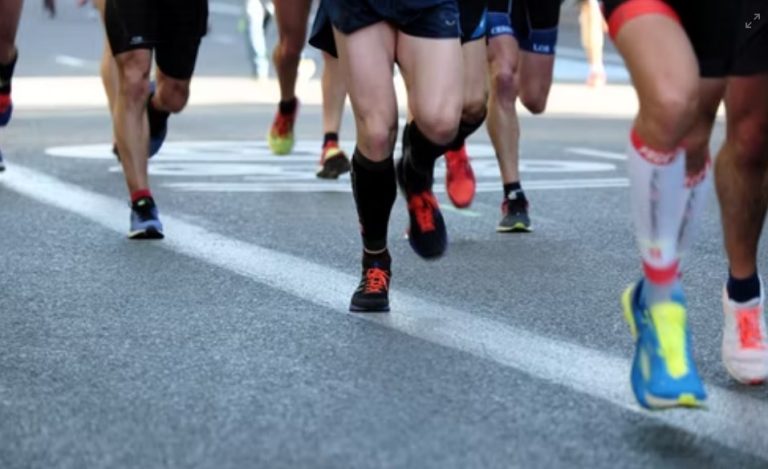
Running With Supination Flat Feet
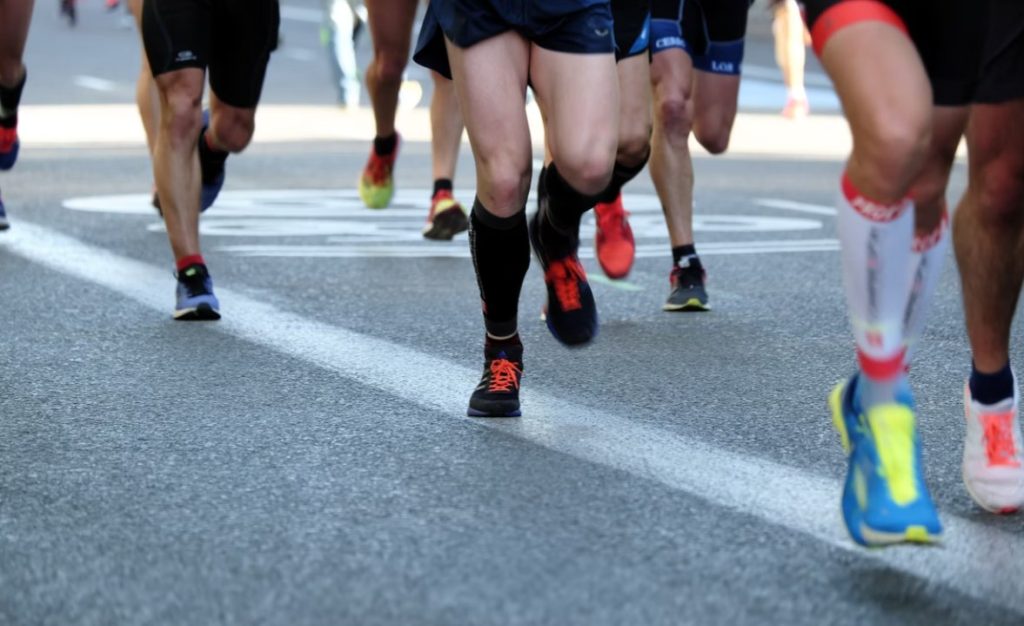
Runners with supination face elevated risk of ankle sprains, stress fractures of the outer metatarsals, and lateral knee pain. Running amplifies every mechanical inefficiency in the gait cycle.
Prioritize:
- A neutral or cushioned (not stability or motion control) running shoe
- Gradual mileage increases of no more than 10% per week
- Softer running surfaces, trails or tracks, where possible
- Replacing running shoes every 300–400 miles, as lateral cushioning compresses before the upper shows wear
Standing Jobs
Healthcare workers, retail staff, and warehouse employees who stand 6–10 hours a day feel supination fatigue concentrated in the outer foot and ankle. Long shifts in unsupportive shoes accelerate wear on the lateral structures faster than intermittent activity does.
Use full-length insoles with generous cushioning and replace them every six to eight months. Even quality foam loses its load-absorbing capacity under sustained pressure, well before it looks worn out.
Casual Walking
For everyday walking and light activity, a neutral, cushioned shoe with a quality OTC insole handles mild-to-moderate supination effectively. For longer walking days, travel, extended sightseeing, or urban commutes, prioritize more cushioning and give your feet a break every 60–90 minutes if pain or fatigue develops.
When to See a Podiatrist
Conservative management resolves most supination flat feet cases. See a podiatrist if:
- Outer foot or ankle pain persists after 6–8 weeks of consistent insole use and exercise
- You have sprained the same ankle more than twice in 12 months
- You experience bone-level pain that worsens during activity (stress fracture risk)
- Symptoms are limiting your ability to walk, work, or exercise
- OTC insoles have provided no meaningful relief after consistent daily use
According to the American Podiatric Medical Association, foot conditions that affect normal daily function should always receive a professional evaluation. The American Academy of Orthopaedic Surgeons notes that untreated soft tissue injuries, including those from repeated ankle sprains associated with supination, can lead to chronic instability and progressive ligament damage if left unmanaged.
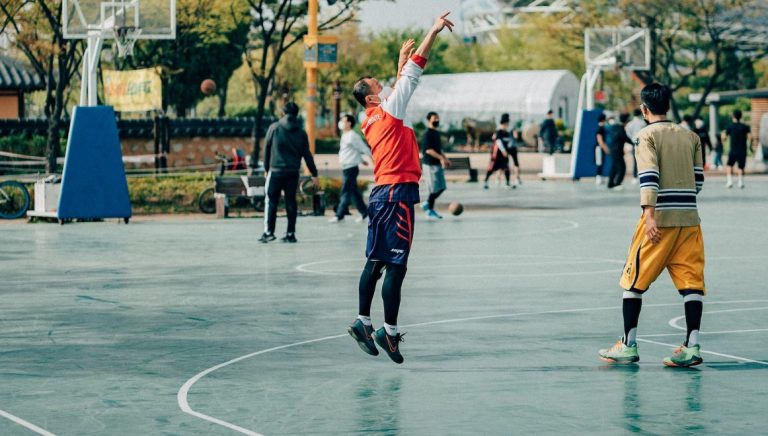
Athletes managing foot conditions alongside training can draw parallels from how other athletes succeed despite similar issues. NBA players with flat feet, many of whom deal with related alignment and gait conditions, rely on orthotics, targeted exercises, and footwear management to maintain performance at the highest level.
Conclusion
Supination flat feet are manageable. The outward roll may be structural, but the symptoms respond well to targeted support, the right footwear, and consistent strengthening work.
Start with the shoe wear test to confirm you supinate. Move to a neutral, cushioned shoe and an insole with lateral support and a deep heel cup. Add peroneal and ankle exercises three to four times per week. Give it six to eight weeks before deciding whether to escalate to a podiatrist or custom orthotics.
Don’t let outer foot pain or recurring ankle sprains hold you back. With the right approach, most people with supination flat feet return to full activity without medical intervention. The orthotic insoles for flat feet from RoamingFeet deliver the cushioning and heel stabilization you need at $39.99, with free returns and a 30-day money-back guarantee.
Struggling with outer foot pain or ankle instability?
Our flat feet insoles provide the lateral cushioning and heel support that supination flat feet need, at a fraction of the cost of custom orthotics.
Shop Flat Feet Insoles →Free returns on all orders · 30-day money-back guarantee
Frequently Asked Questions
What is the difference between supination and overpronation?
Supination (underpronation) means the foot rolls outward excessively, concentrating stress on the outer edge and smaller toes. Overpronation means the foot rolls inward too far, stressing the inner arch and heel. Both conditions affect gait and cause pain in different locations, and they require different treatment approaches. Looking at your shoe wear pattern is the quickest way to distinguish them at home.
Can supination flat feet be corrected permanently?
For adults, the structural shape of the foot does not change without surgery. However, strengthening the peroneal muscles and ankle stabilizers significantly reduces how much the foot supinates during movement. Most people manage symptoms effectively with insoles, appropriate footwear, and consistent exercises without ever needing surgery.
Why does my outer ankle keep spraining?
Repeated lateral ankle sprains are one of the most common consequences of supination. Each outward foot roll strains the lateral ligaments, and each sprain increases laxity, making the next one easier to sustain. If you have sprained the same ankle more than twice, see a podiatrist. Ankle bracing and physical therapy may be needed to prevent chronic instability.
What kind of insoles help with supination flat feet?
Look for insoles with generous lateral cushioning, a deep heel cup, and a neutral or full-length design. Avoid insoles built specifically for overpronation, as medial arch posts can push the foot further outward. Over-the-counter insoles are the correct starting point. Custom orthotics are appropriate if symptoms do not improve after six to eight weeks of consistent use.
Do I need special shoes if I supinate?
Yes. Supinators need neutral or cushioned shoes rather than motion control or stability shoes, which are designed for overpronators and can worsen supination. Look for extra midsole cushioning, flexible construction, and a neutral designation. Models like Brooks Ghost, ASICS Gel-Nimbus, and Saucony Triumph are commonly recommended.
How long does it take for supination exercises to make a difference?
Noticeable improvements in ankle stability and pain reduction typically develop within 8 to 12 weeks of consistent daily exercise. Structural improvement takes longer and requires sustained commitment. Exercises work best when combined with appropriate insoles and footwear.