
Best Height Increasing Insoles in 2026: Reviewed & Ranked
Height increasing insoles are one of the few genuinely practical ways to add height without surgery, uncomfortable platform shoes, or expensive custom footwear. The right pair can give you 1 to 3 inches of invisible lift, fit inside your existing shoes, and still provide the arch support and cushioning your feet need.
But not all height insoles are created equal. Some use rigid foam that feels like walking on bricks. Others are too thin to deliver real lift. And many simply aren’t comfortable for all-day wear.
We tested and compared the top height increasing insoles available in 2026. This guide breaks down what each product does best, how much lift it actually delivers, and which one is right for your specific needs.
Good to Know
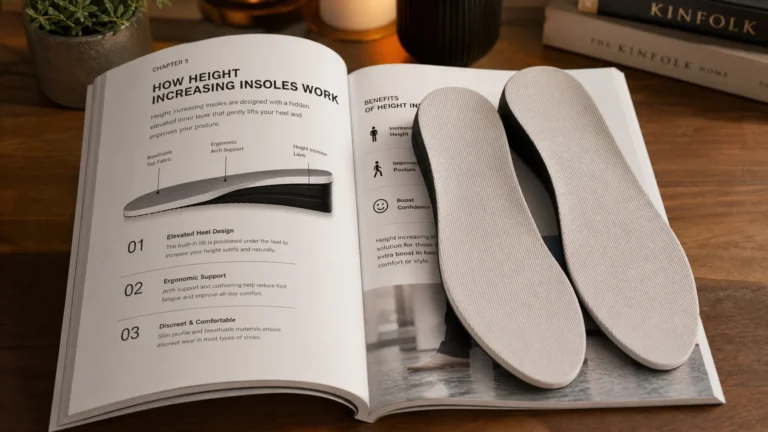
Height increasing insoles work by lifting the heel within the shoe, creating the appearance of added height without changing your posture or gait. Unlike elevator shoes, they work invisibly inside your regular footwear.
Our Top Picks at a Glance
| Product | Lift Height | Price | Best For | Key Feature |
|---|---|---|---|---|
| RMF-030 Invisible Height Increase Insole | Up to 3 inches (3.9cm) | Check price | Overall best | Adjustable layers, air-cushioned |
| RMF-011 Height Increasing Insoles | Up to 2.5 inches | Check price | Everyday wear | Multi-layer EVA, breathable |
| Women’s Height Increasing Insoles | Up to 3 inches | $22.05–$39.05 | Women | EVA memory foam, adjustable |
RoamingFeet RMF-030 Invisible Height Increase Insole — Best Overall
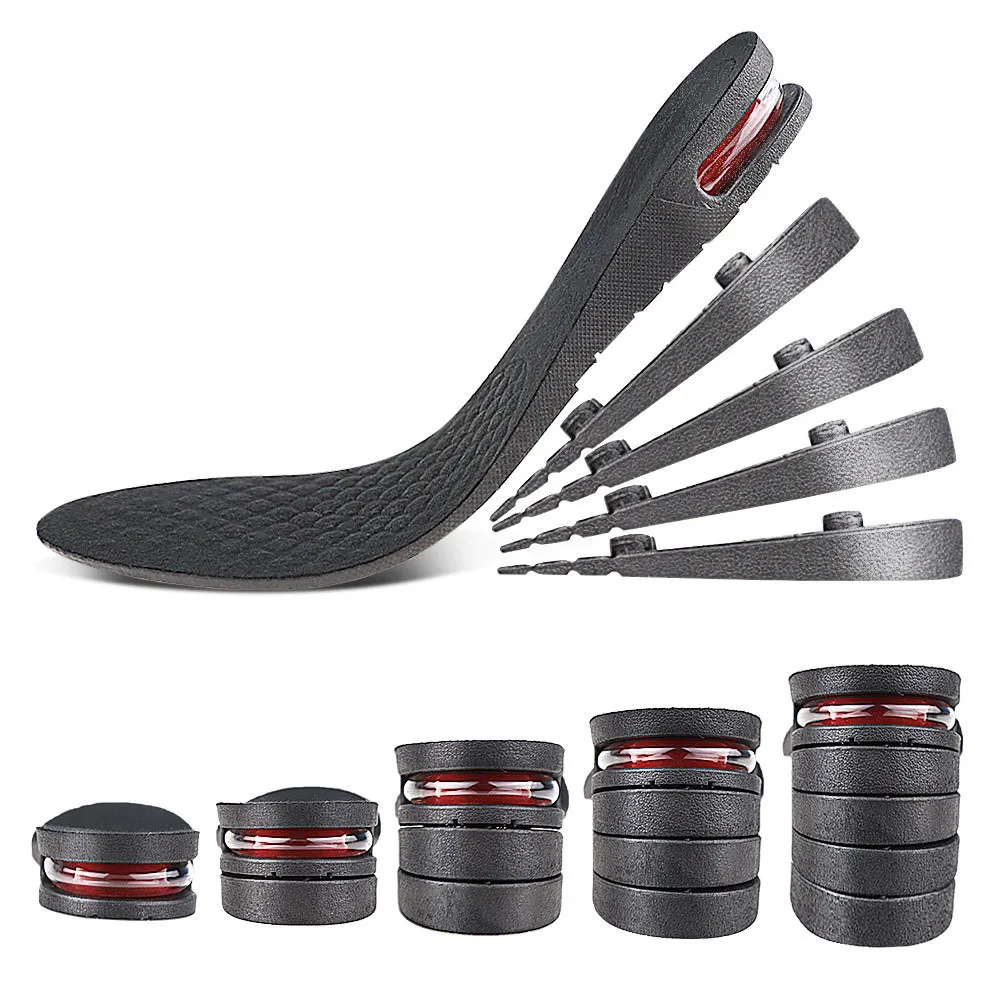
Specs: – Lift Height: Up to 3 inches (3.9cm) – Material: Multi-density EVA foam with air-cushioned heel – Design: Adjustable layered lift system – Cover: Breathable moisture-wicking fabric – Fit: Trimmable to size
The RMF-030 earns our top spot because it solves the three problems that plague most height insoles: comfort, discretion, and adjustability.
The adjustable layered system lets you customise the lift height. Starting with a lower lift and working up gives your feet time to adjust — something fixed-height insoles don’t offer. The air-cushioned heel absorbs impact with each step, making the insoles comfortable enough for full-day wear at work, social events, or daily errands.
What sets the RMF-030 apart is how invisible it looks inside the shoe. The tapered design means there’s no visible bulk around the ankle. In lace-up shoes, boots, and most casual footwear, no one will know they’re there.
Best for: Anyone who wants maximum lift with maximum comfort. The adjustable layers make this a solid choice for both first-time users and experienced height insole wearers.
RoamingFeet RMF-011 Height Increasing Insoles — Best for Everyday Wear
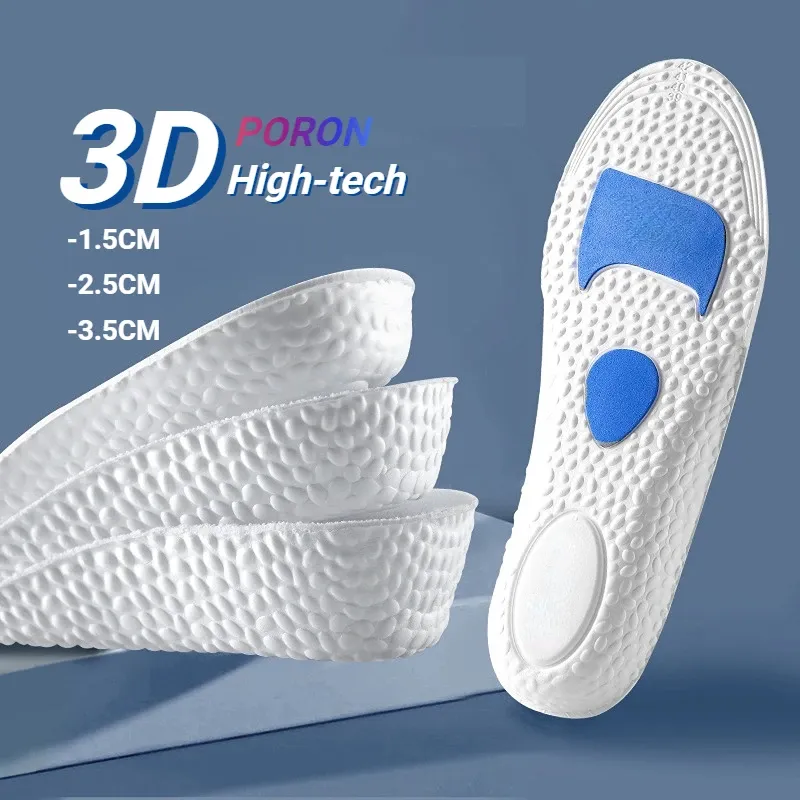
Specs: – Lift Height: Up to 2.5 inches – Material: Multi-layer EVA foam – Design: Full-length with graduated lift – Cover: Breathable mesh top – Fit: Trimmable to size
The RMF-011 is designed for people who want a moderate, comfortable lift they can wear daily without thinking about it. The multi-layer EVA construction provides consistent cushioning across the entire foot, not just the heel.
The graduated lift — higher at the heel, tapering toward the toes — creates a natural walking motion. There’s no awkward “tiptoe” feeling that cheaper insoles produce. The breathable mesh top layer keeps feet dry during extended wear, which matters when you’re wearing them for 8–10 hours straight.
At up to 2.5 inches of lift, the RMF-011 hits the sweet spot for most situations: enough height to make a visible difference, not so much that it changes how you walk.
Best for: Daily office wear, casual use, and anyone who needs reliable comfort over long hours. An excellent “first pair” for new height insole users.
RoamingFeet Women’s Height Insoles — Best for Women
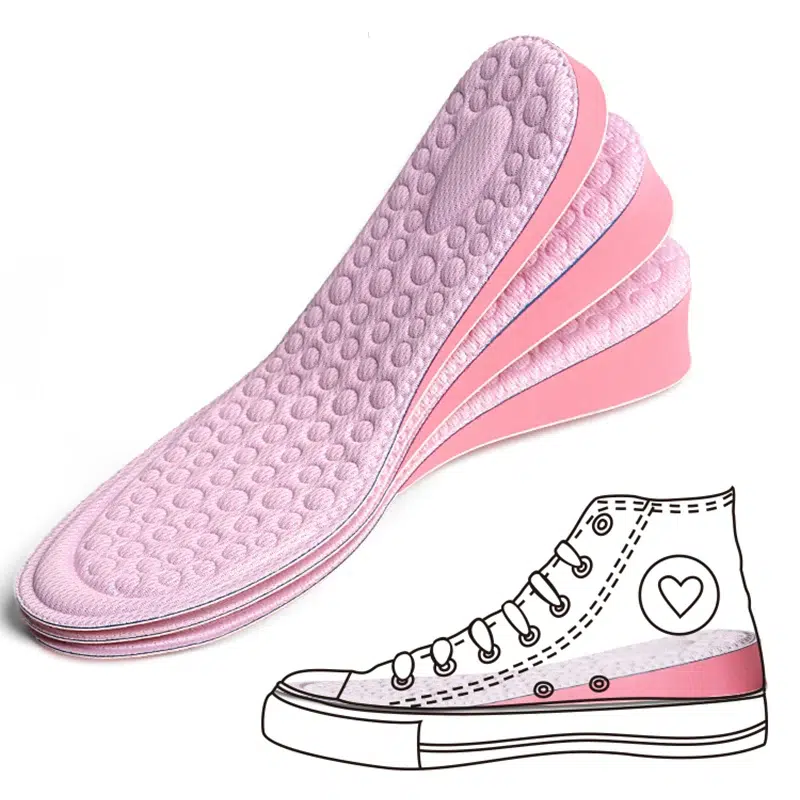
Specs: – Lift Height: Up to 3 inches – Material: EVA memory foam – Design: Invisible, adjustable layers – Price: $22.05–$39.05 (multiple variants) – Fit: Sized for women’s footwear, trimmable
The women’s height insole market is underserved — most products are designed for men’s shoes and scaled down as an afterthought. RoamingFeet’s women’s line is built specifically for women’s footwear, which has different toe box shapes, heel contours, and overall proportions.
The EVA memory foam construction moulds to the foot over time, creating a custom fit that improves with wear. The invisible design works particularly well in boots, sneakers, and flats. For women who want height without high heels, these insoles are the practical alternative.
Best for: Women who want height without heels. Ideal for boots, sneakers, and casual flats. Check the height increasing insoles page for the full range of options.
What to Look For When Buying Height Insoles
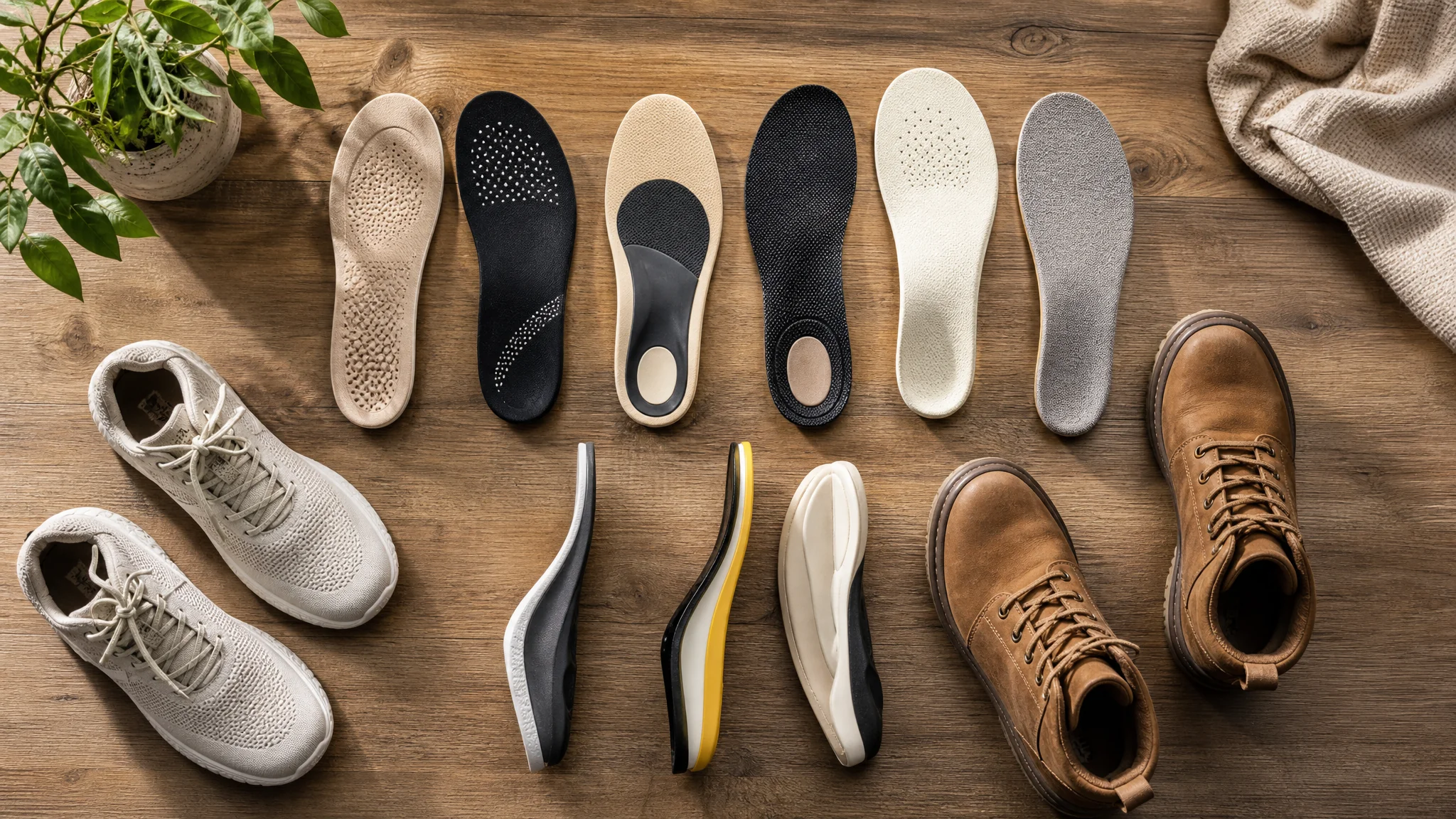
Choosing the right height insoles comes down to four factors: how much lift you want, what shoes you’ll wear them in, how long you’ll be on your feet, and how discreet you need them to be.
Lift Height: How Much Do You Want?
Height insoles typically offer between 1 and 3 inches of lift. Here is what each range looks like in practice:
- 1–1.5 inches: Subtle lift. Noticeable to you, unlikely to be noticed by others. Works in almost any shoe.
- 2 inches: Moderate lift. Makes a visible difference. Works in most lace-up shoes and boots.
- 2.5–3 inches: Maximum lift. Creates a noticeable height change. Requires deeper shoes like boots or high-top sneakers.
Start lower if you are new to height insoles. A 1-inch lift takes zero adjustment. Jumping straight to 3 inches requires your feet and gait to adapt.
Comfort and Cushioning
Not all height insoles are comfortable. The best ones use multi-layer EVA foam or memory foam that absorbs shock rather than transferring it to your feet. Look for:
- Heel cushioning: Air-cushioned or gel heel pads reduce impact with each step.
- Arch support: Even in height insoles, basic arch support prevents foot fatigue.
- Breathable cover: Moisture-wicking fabric prevents sweating and odour during all-day wear.
Rigid plastic or single-density foam insoles may be cheaper, but they become uncomfortable after a few hours. The extra cost of quality materials pays for itself in comfort.
Shoe Compatibility
Height insoles need depth. They will not fit well in thin flats, sandals, or most dress shoes without modification. The best shoes for height insoles are:
- Lace-up boots (work boots, hiking boots, fashion boots)
- Sneakers and athletic shoes
- High-top casual shoes
- Loafers with removable insoles
If your shoes have removable insoles, take them out before inserting height insoles. This gives your feet the room they need. Check our guide to height insoles for different shoe types for detailed compatibility advice.
Discretion
The number one concern for height insole buyers is being noticed. Quality height insoles are designed to be invisible inside the shoe. Key design features that matter:
- Tapered heel: No visible bulk around the ankle opening.
- Full-length design: Distributes lift across the whole foot rather than creating a visible heel wedge.
- Moulded fit: The insole follows the shoe’s internal shape, not a generic flat form.
Adjustable vs Fixed Lift
Adjustable insoles (like the RMF-030) let you start with a lower lift and increase it over time. This is valuable for two reasons: your feet adapt gradually, and you can dial in exactly the height you want. Fixed-lift insoles are simpler but lock you into one height.
Height Insoles vs Elevator Shoes
Elevator shoes (also called lift shoes) build the height increase into the sole and heel of the shoe itself. They deliver 2–4 inches of visible lift but come with trade-offs:
| Factor | Height Insoles | Elevator Shoes |
|---|---|---|
| Cost | $22–$39 | $100–$300+ |
| Works with your shoes | Yes — fits existing footwear | No — must wear specific shoes |
| Invisible | Completely — inside your shoe | Visible — the shoe has a thicker sole |
| Comfort | Cushioned, arch support | Varies by brand |
| Versatility | One pair works with multiple shoes | Each pair only works with those shoes |
For most people, height insoles offer a better value proposition. You get up to 3 inches of lift for a fraction of the cost of elevator shoes, and you can wear them with shoes you already own. Find the full range at our height increasing insoles shop.
How to Use Height Insoles Correctly
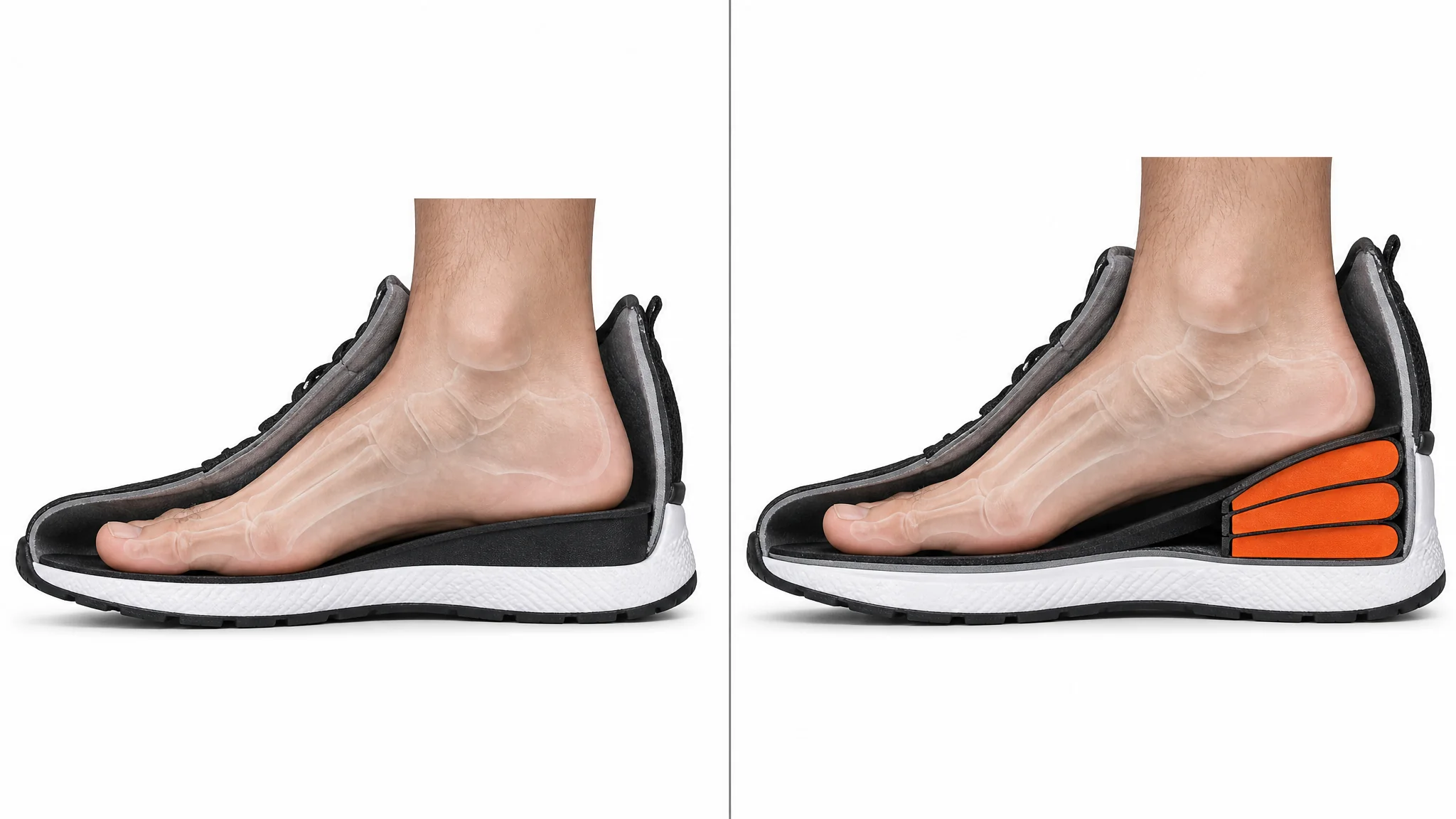
Getting the most out of height insoles is straightforward:
- Remove the original insole from your shoe (if removable).
- Insert the height insole and check the fit. Trim if needed — use your old insole as a cutting template.
- Wear them for short periods at first. Start with 1–2 hours, then increase.
- Check the fit after the first few wears. Some insoles settle and may need slight repositioning.
For first-time users, start with a lower lift (1–1.5 inches) and wear them around the house before committing to a full day out. Your feet, ankles, and gait need time to adjust.
Are Height Increasing Insoles Worth It?
For most people, yes. Here is what they deliver:
- 1–3 inches of additional height that looks completely natural
- Works with your existing shoes — no need to buy a separate wardrobe
- Comfortable for all-day wear when made from quality materials
- Fraction of the cost of elevator shoes or custom footwear
Height insoles are not a solution for everyone. If you have severe foot conditions, existing gait problems, or need more than 3 inches of lift, custom orthotics or elevator shoes may be better options. But for the vast majority of people who want a moderate, invisible height boost, height insoles are the most practical solution available.
Want to stand a little taller?
Our height increasing insoles deliver up to 3 inches of invisible lift — comfortable enough for all-day wear, invisible inside your favourite shoes.
Shop Height Insoles →Free returns on all orders · 30-day money-back guarantee
Frequently Asked Questions
How much height do insoles add?
Height increasing insoles typically add 1 to 3 inches of lift, depending on the design. Adjustable insoles let you choose the exact height. The right amount depends on your shoe type and comfort preference.
Are height increasing insoles noticeable?
Quality height insoles are designed to be invisible inside the shoe. The tapered heel and full-length design prevent visible bulk. In lace-up shoes and boots, no one will know they are there.
What shoes work best with height insoles?
Lace-up boots, sneakers, high-top shoes, and any footwear with removable insoles work best. The extra depth accommodates the lift. See our height insoles shoe types guide for detailed compatibility.
Do height insoles work for women?
Yes. RoamingFeet specifically designs women’s height insoles that fit women’s footwear proportions. They work in boots, sneakers, and flats, offering up to 3 inches of invisible lift without high heels.
How long do height insoles last?
With regular use, quality height insoles last 6–12 months. The EVA foam and memory foam materials compress gradually over time. Replace them when the cushioning loses its spring or the lift height decreases noticeably.
Are height insoles comfortable to wear all day?
Quality height insoles with multi-layer foam and heel cushioning are comfortable for full-day wear. The key is choosing the right lift height for your needs and allowing a short adjustment period when you first start wearing them.