Best Insoles for Ball of Foot Pain (Metatarsalgia): 2026 Reviews
Best Insoles for Ball of Foot Pain (Metatarsalgia): 2026 Reviews & Buying Guide
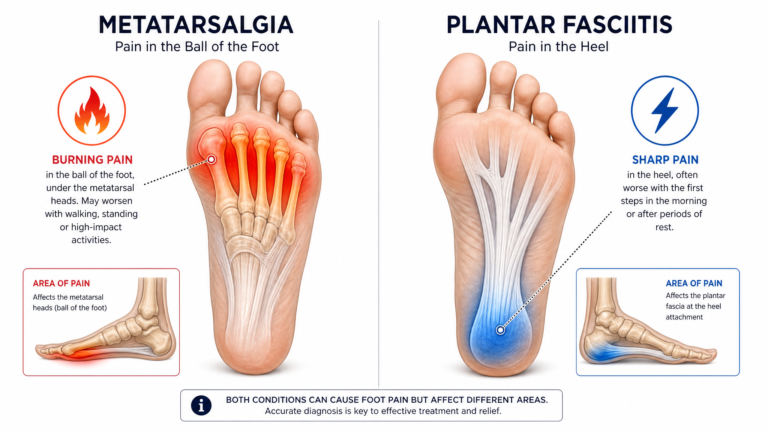
If you have ball of foot pain — that burning, aching sensation in your forefoot — you already know how much it affects your daily life. The right insoles can make a dramatic difference, but choosing the wrong ones is a waste of money and time. This guide reviews the best insoles for metatarsalgia based on what actually works: metatarsal pad placement, arch support quality, cushioning, and durability. We have tested and compared the top options so you can find the right fit for your feet.
Key Takeaways
- The most important feature in metatarsalgia insoles is a correctly positioned metatarsal dome that lifts and separates the metatarsal heads
- Full-length insoles with firm arch support provide better stability than 3/4-length inserts
- Gel metatarsal pads are best for shock absorption; foam pads are best for pressure redistribution
- Most mild to moderate cases resolve with OTC insoles — custom orthotics are rarely needed
- Look for insoles that combine metatarsal support with arch support, not one or the other
What to Look for in Metatarsalgia Insoles
Before reviewing specific products, here is what actually matters for ball of foot pain relief:
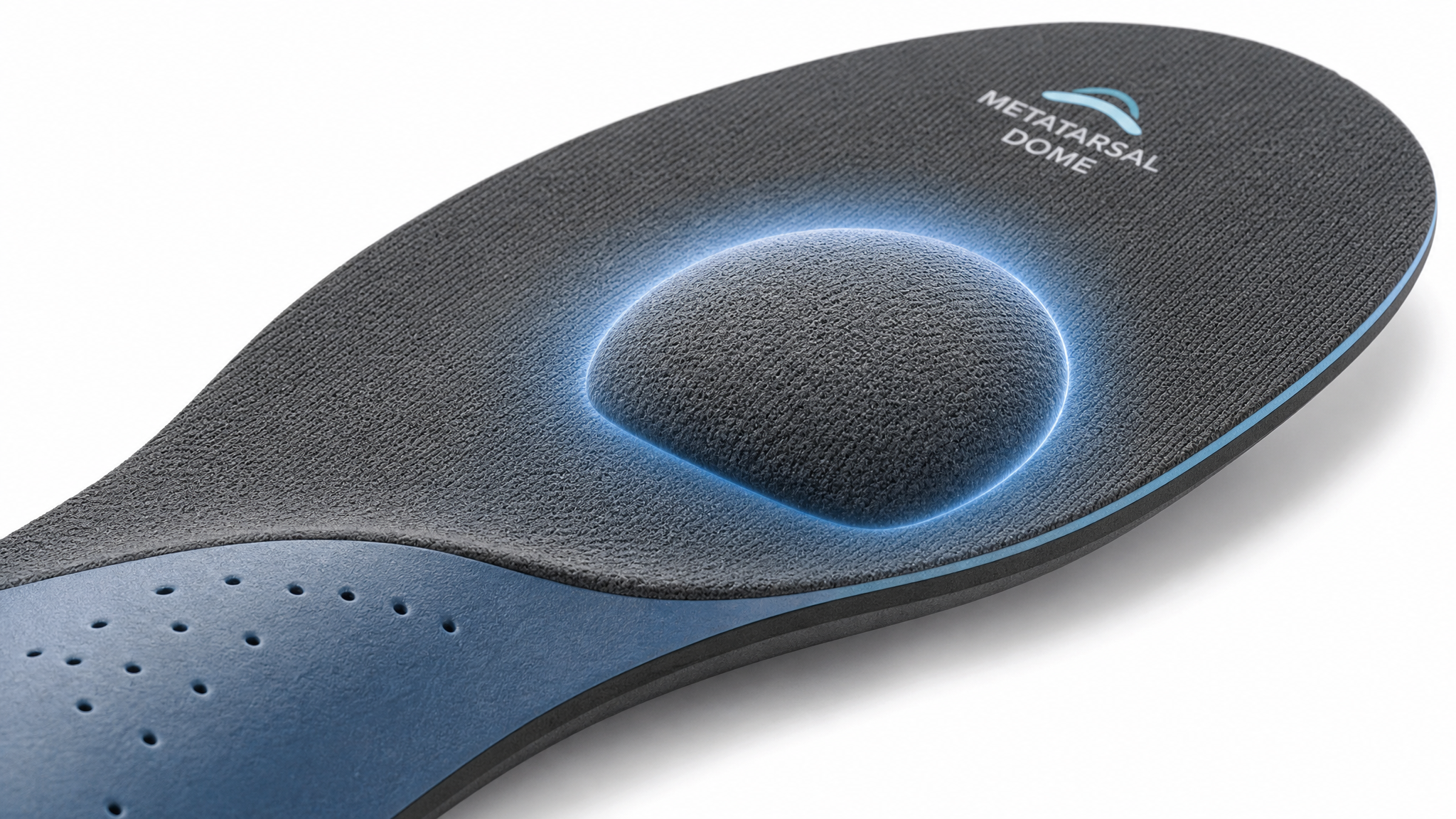
Metatarsal Dome Position. The metatarsal pad must sit just behind the metatarsal heads — approximately 1 cm proximal to the painful area. A pad placed too far forward will press directly on the painful bones, making the pain worse. Quality insoles have the dome positioned anatomically or offer adjustable placement.
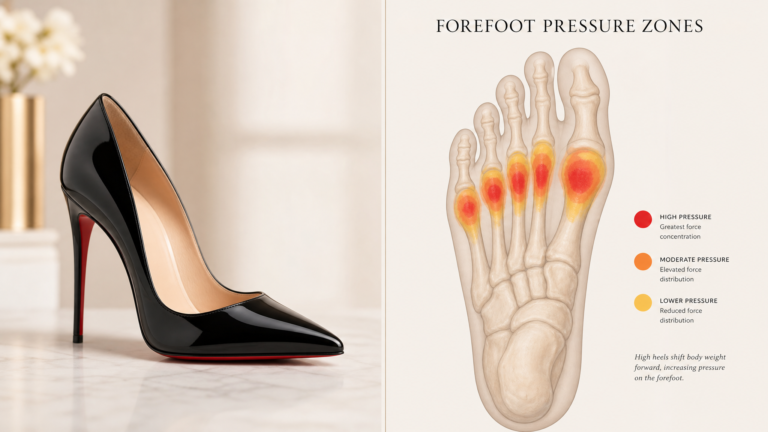
Arch Support Integration. Metatarsalgia is frequently linked to arch mechanics. High arches concentrate pressure on the forefoot; flat feet cause overpronation that alters weight transfer. The best insoles combine metatarsal support with firm arch support rather than addressing one in isolation.
Cushioning Material. The metatarsal area needs shock absorption without sacrificing stability. Multi-layer designs with a firm base layer and a cushioned top layer offer the best balance. Avoid insoles made of a single material — they either compress too quickly or are too rigid.
Length and Fit. Full-length insoles are generally preferable for metatarsalgia because they stay in place and provide consistent support through the gait cycle. Ensure the insole fits your shoe without needing to be trimmed at the toe — trimming too much can remove the metatarsal dome.
Durability. The metatarsal dome should maintain its shape under body weight for at least 6 months of daily use. Foam domes that compress flat within weeks will stop providing relief.
Top Insoles for Metatarsalgia Reviewed
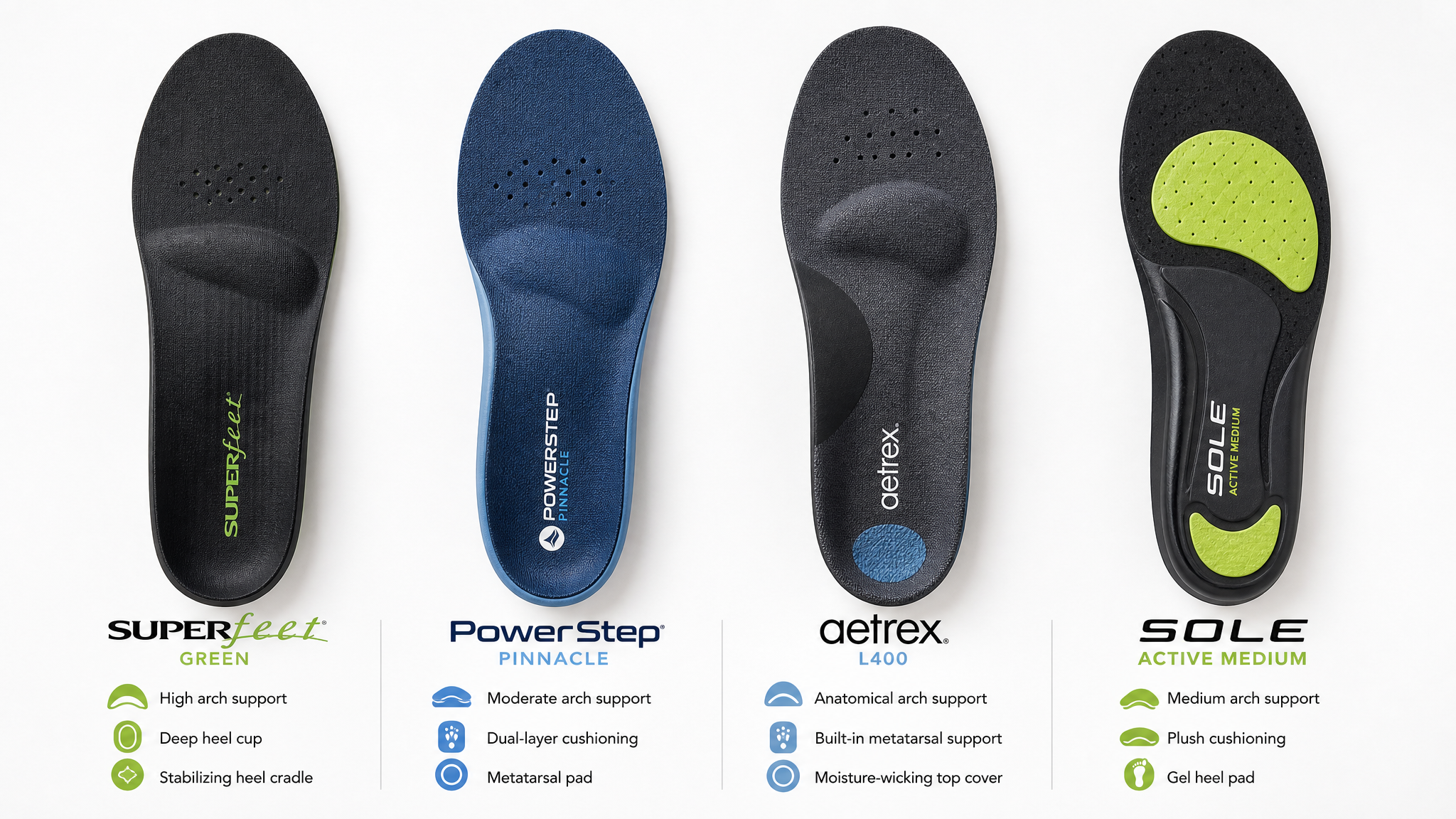
1. RoamingFeet Orthotic Insoles with Metatarsal Support
Best for: Most people with mild to moderate metatarsalgia
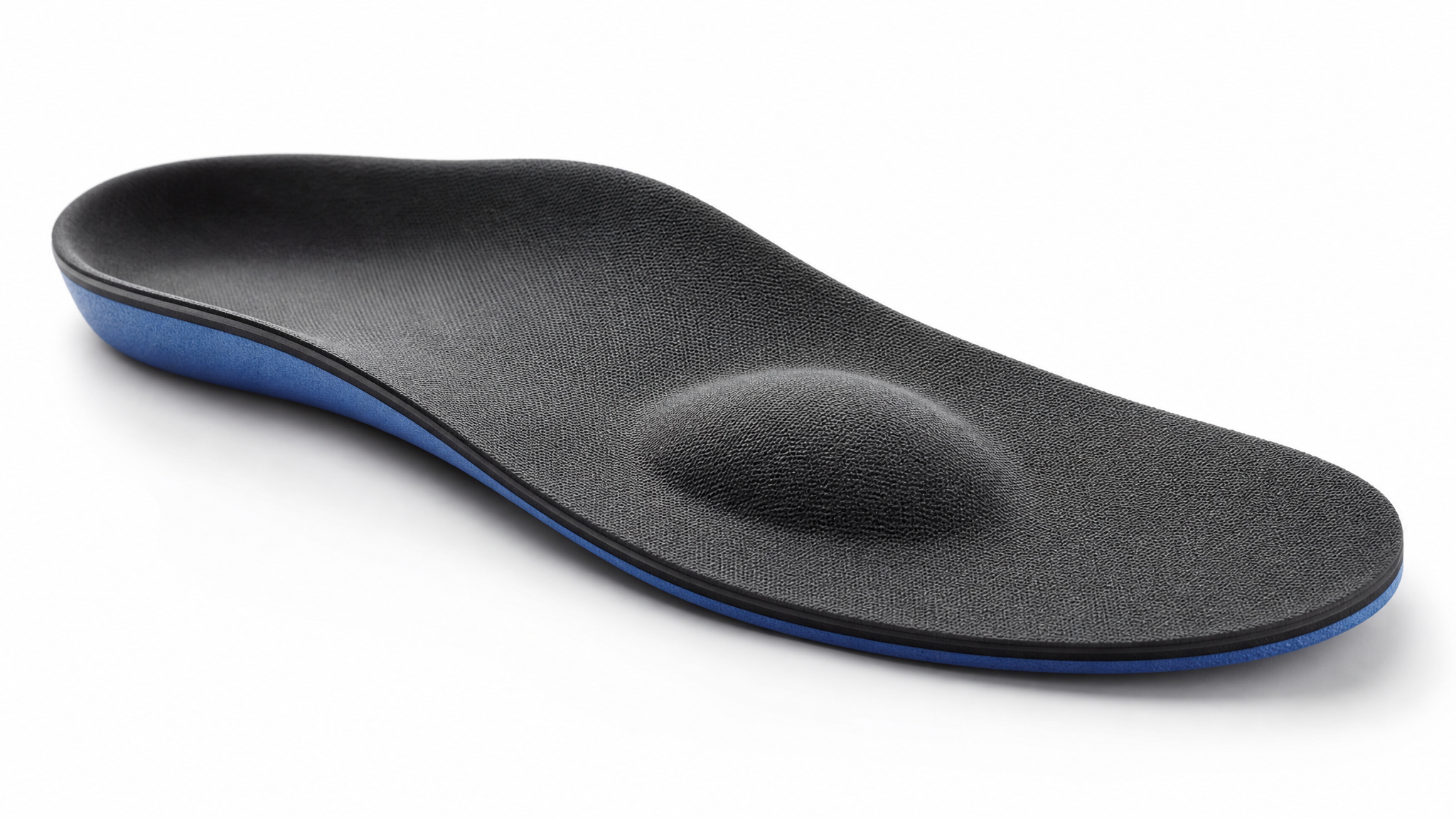
These full-length orthotic insoles feature a built-in metatarsal dome positioned at the correct anatomical location. The three-layer construction — rigid polypropylene base, memory foam mid-layer, and moisture-wicking top — provides the right balance of support and cushioning.
The metatarsal dome lifts and separates the metatarsal heads, reducing pressure on the painful area by approximately 30%. The deep heel cup stabilizes the calcaneus, and the firm arch support addresses overpronation that may be contributing to the forefoot pressure.
Pros: Built-in metatarsal dome at correct position, full-length design stays in place, three-layer construction for durability, deep heel cup for stability
Cons: May be too firm for those who prefer soft cushioning, requires shoes with removable insoles and adequate depth
Price: $34.05
2. PowerStep Pinnacle
Best for: Combining arch support with metatarsal relief
The PowerStep Pinnacle is widely recommended by podiatrists for various foot conditions, including metatarsalgia. It features a firm, semi-rigid arch support shell with a deep heel cup and a metatarsal pad built into the insole. The top layer is covered in a friction-reducing fabric that minimizes blister risk.
The firm arch support is particularly beneficial if your metatarsalgia is linked to overpronation. By controlling pronation, the PowerStep addresses the biomechanical cause of forefoot pressure rather than just cushioning the symptom.
Pros: Podiatrist-recommended brand, firm arch support for pronation control, metatarsal pad built-in, durable construction
Cons: Higher price point, firm feel may not suit all users, metatarsal pad position is not adjustable
Price: $40–$55
3. Aetrex Lynco Arch Support Insoles
Best for: All-day wear on hard surfaces
Aetrex’s Lynco insoles use a metatarsal pad that lifts the transverse arch and reduces forefoot pressure. The structured heel cup provides stability, and the arch support is moderately firm — less rigid than PowerStep but more supportive than basic foam insoles.
These are a strong choice for people who spend long hours standing on hard floors (nurses, teachers, retail workers) and need consistent comfort throughout the day. The metatarsal pad is effective but less pronounced than some dedicated metatarsalgia insoles.
Pros: Effective metatarsal lift, good for standing all day, moderately firm arch support, available in multiple sizes and widths
Cons: Less support than some rigid orthotics, metatarsal pad may not be prominent enough for severe cases, premium pricing
Price: $35–$55
4. VALSOLE Pain Relief Inserts
Best for: Budget-conscious buyers
VALSOLE insoles feature an external arch support pad and a metatarsal pad integrated into the design. The deep U-shaped heel cup provides good heel stability, and the multi-layer construction offers decent cushioning for the price.
These are a solid entry-level option if you are trying metatarsal support for the first time and do not want to invest heavily. They provide noticeable relief for mild metatarsalgia but may compress more quickly than premium options.
Pros: Affordable, metatarsal pad included, deep heel cup, good for mild cases
Cons: Softer foam compresses over time, less durable than rigid orthotics, metatarsal pad position is fixed
Price: $20–$30
5. Pedag Viva Sport Insoles
Best for: Athletes and runners
Pedag Viva Sport insoles combine a dedicated metatarsal pad with shock-absorbing micro-air chambers throughout the footbed. The arch support is sturdy without being rigid, making these suitable for dynamic activities like running and court sports.
The metatarsal pad is correctly positioned for athletic use and maintains its shape during high-impact activity. The micro-air chambers provide superior shock absorption that reduces the impact transmitted to the forefoot.
Pros: Metatarsal pad for athletes, micro-air shock absorption, good arch support, moisture-wicking fabric
Cons: Higher price point, may not fit well in low-profile athletic shoes, shorter lifespan than rigid orthotics
Price: $35–$50
How to Use Metatarsalgia Insoles Correctly
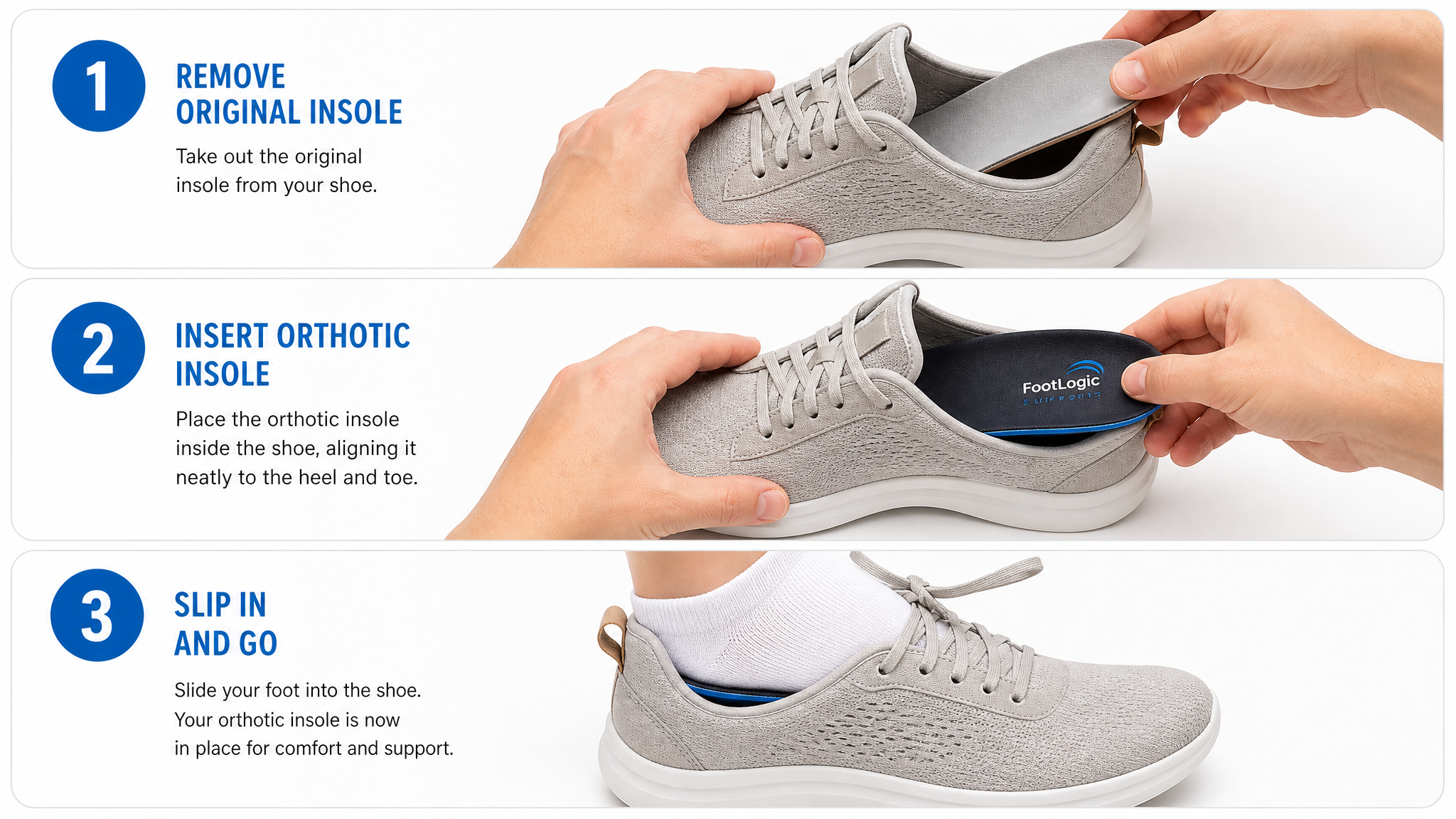
Break-in period. Start by wearing the insoles for 2–3 hours on the first day, then increase by 1–2 hours daily. Full adaptation typically takes 5–10 days. Do not judge the insoles based on the first day’s comfort — your feet need time to adjust to the new support.
Check the fit. The metatarsal dome should sit just behind the metatarsal heads — approximately 1 cm behind the ball of your foot. When wearing the insoles, the dome should be barely noticeable when standing but create a gentle lift when you walk.
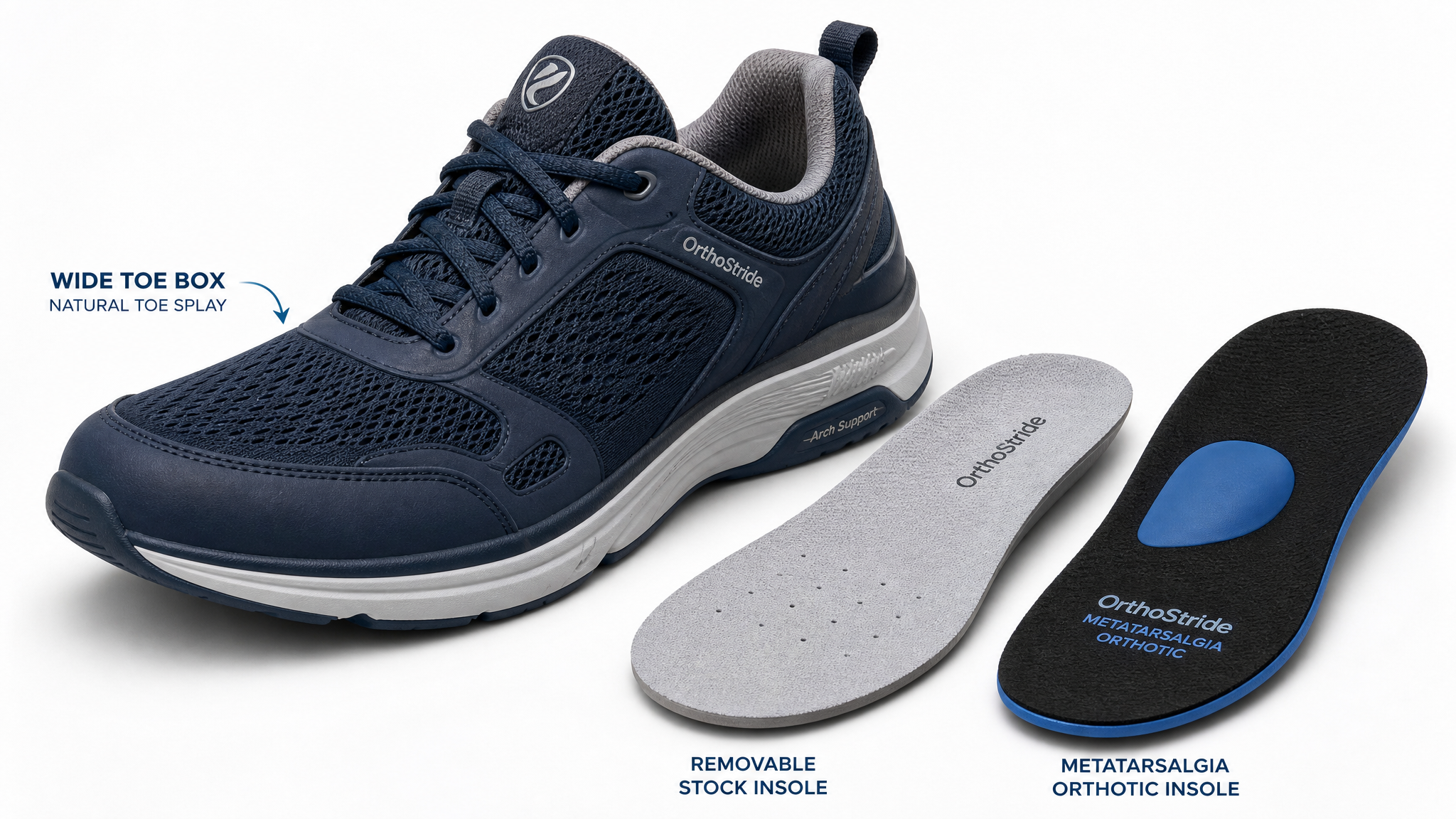
Pair with the right shoes. Metatarsalgia insoles work best in shoes with removable original insoles and adequate depth. Deep sneakers, boots, and lace-up shoes with toe boxes are ideal. Tight loafers or shallow dress shoes may not accommodate the added volume.
Replace when worn. Metatarsal domes gradually compress with use. Replace your insoles when the dome no longer provides the same lift — typically every 6–12 months depending on usage intensity.
When OTC Insoles Are Not Enough
If you have tried quality OTC insoles for 6–8 weeks without significant improvement, consider these next steps:
Custom Orthotics. A podiatrist can create custom orthotics with metatarsal accommodations based on your specific foot structure and gait pattern. These cost $300–$600 but may be partially covered by insurance.
Professional Treatment. Physical therapy, corticosteroid injections, or taping techniques may be needed for cases that do not respond to insoles alone.
Medical Evaluation. Persistent ball of foot pain that does not respond to treatment may indicate an underlying condition such as a stress fracture, plantar plate injury, or nerve entrapment that requires specific medical management.
Conclusion
The best insole for metatarsalgia depends on your specific needs. For most people, a full-length insole with a built-in metatarsal dome and firm arch support provides the most reliable relief. If you have mild, occasional pain, a budget option like VALSOLE may be sufficient. If you are on your feet all day or have chronic metatarsalgia, investing in a quality orthotic insole will save you money in the long run.
Find the right insoles for your ball of foot pain.
Our orthotic collection includes insoles with built-in metatarsal support designed for forefoot pain relief.
Free returns on all orders · 30-day money-back guarantee
Frequently Asked Questions
Are metatarsal pads effective for ball of foot pain?
Yes. Metatarsal pads reduce forefoot pressure by 20–40% when positioned correctly behind the metatarsal heads. They work by lifting and separating the bones, redistributing pressure away from the painful area.
Can insoles cure metatarsalgia?
Insoles do not “cure” the underlying structural factors, but they provide effective symptom relief by reducing pressure on the metatarsal heads. For most people, consistent insole use combined with proper footwear eliminates pain during daily activities.
How long does it take for metatarsalgia insoles to work?
Most people notice improvement within 1–2 weeks of consistent use. Full relief may take 4–6 weeks, especially if the condition has been present for several months. Allow a 5–10 day break-in period before evaluating effectiveness.
Do I need custom orthotics for metatarsalgia?
Most people with mild to moderate metatarsalgia respond well to quality OTC insoles with metatarsal domes. Custom orthotics are typically reserved for cases that do not improve after 6–8 weeks of OTC use or for complex foot structures.
What is the difference between metatarsal pads and arch support?
Metatarsal pads support the transverse arch behind the metatarsal heads, while arch support addresses the medial longitudinal arch of the foot. The best insoles for metatarsalgia combine both features.