Carbon Fiber Insoles for Plantar Fasciitis: Do They Work?
Plantar fasciitis causes stabbing heel pain that makes every morning step agony. Carbon fiber insoles for plantar fasciitis offer a unique solution, rigid arch support that limits how much the plantar fascia stretches during walking, which directly reduces the strain causing your pain.
Key Takeaways
- Carbon fiber insoles reduce plantar fascia strain through rigid motion control, not cushioning
- Research supports their effectiveness for biomechanical plantar fasciitis linked to overpronation
- They last 3–5 years with daily use, far longer than foam or gel alternatives
- Best results come from pairing insoles with stretching, supportive footwear, and professional guidance
- Always obtain a formal diagnosis before starting any new treatment regimen
What Is Plantar Fasciitis?
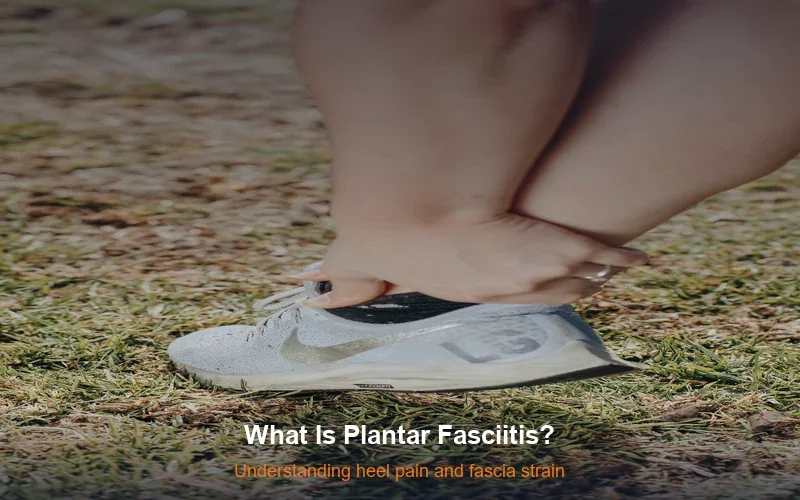
Plantar fasciitis is one of the most common causes of heel pain, affecting roughly 1 in 10 people at some point in their lives, according to the Mayo Clinic. It occurs when the plantar fascia, a thick band of tissue running from your heel bone to your toes, develops micro-tears or becomes inflamed from repetitive strain.
The condition is especially common among runners, people who stand for long hours on hard surfaces, and those who wear unsupportive footwear. The hallmark sign is sharp heel pain with your first steps in the morning, which often eases after a few minutes but can return after prolonged standing.
If left untreated, plantar fasciitis can become a chronic issue that alters your gait, leading to secondary problems in your knees, hips, and lower back. Early intervention is essential to avoid long-term complications.
What Are Carbon Fiber Insoles?
Carbon fiber insoles are orthotic inserts made from woven carbon fiber sheets, a material known for being lightweight, extremely rigid, and highly durable. Unlike foam or gel insoles that focus on cushioning, carbon fiber insoles are engineered specifically for stiffness.
The rigidity of carbon fiber allows these insoles to control foot motion in ways that softer materials cannot. When placed inside a shoe, a carbon fiber insole acts as a stiff lever that limits bending of the foot during the push-off phase of walking, which is when the plantar fascia experiences the most tension.
This unique property makes carbon fiber insoles particularly effective for conditions where motion control is more important than impact absorption. Podiatrists commonly prescribe them for plantar fasciitis, turf toe, and other biomechanical foot conditions.
How Carbon Fiber Insoles Help Plantar Fasciitis
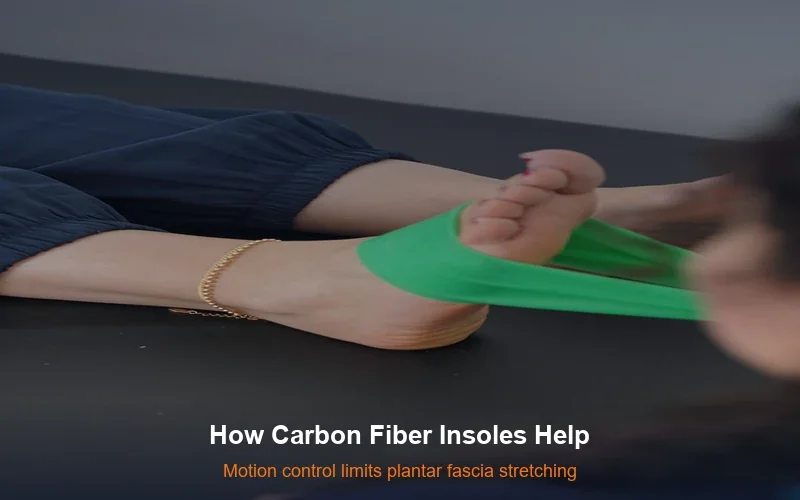
The mechanism behind carbon fiber insoles for plantar fasciitis is straightforward. Each time you take a step, your foot naturally flexes, and that flexion pulls on the plantar fascia. In a foot with plantar fasciitis, every step can aggravate the already-inflamed tissue.
Carbon fiber insoles reduce this stress by limiting how much your foot bends at the midfoot and forefoot. Think of it as splinting the bottom of your foot, the stiffness prevents excessive motion that would otherwise tug on the fascia and worsen the inflammation.
How It Works
The plantar fascia functions like a bowstring, it tightens when your arch flattens and relaxes when your arch lifts. Carbon fiber insoles reduce how much the arch flattens during each step, which keeps tension off the fascia and allows micro-tears to heal over time.
This motion-limiting approach is fundamentally different from traditional plantar fasciitis treatments that focus on cushioning the heel. While heel pads and gel cups address the symptom (pain), carbon fiber insoles address the underlying mechanism (excessive stretch).
Benefits of Carbon Fiber Insoles for Plantar Fasciitis
Rigid Arch Support
The primary benefit is the consistent, rigid support these insoles provide throughout the day. Unlike foam insoles that compress and lose effectiveness, carbon fiber maintains its structural integrity from morning to night, delivering uniform support with every step.
Exceptional Durability
Carbon fiber is one of the most durable insole materials available. A well-constructed carbon fiber insole can last several years with daily use, far outlasting foam or gel alternatives. At a typical cost of $40–$80, the cost per day is pennies compared to replacing foam insoles every few months.
Lightweight Construction
Despite its strength, carbon fiber is remarkably light. A full-length insole weighs about as much as a standard foam insert, so it will not add noticeable bulk to your shoes or affect your natural walking rhythm.
Thin Profile
Carbon fiber insoles are thinner than most orthotic inserts, which means they fit comfortably in more types of footwear, including dress shoes, casual sneakers, and athletic shoes where bulky orthotics might not fit.
Moisture and Odor Resistance
Unlike foam or leather, carbon fiber does not absorb moisture or odors. It stays clean and dry through daily use, and a quick wipe is all it takes to refresh them. This makes them an excellent choice for people who wear the same shoes for long shifts.
What the Research Says
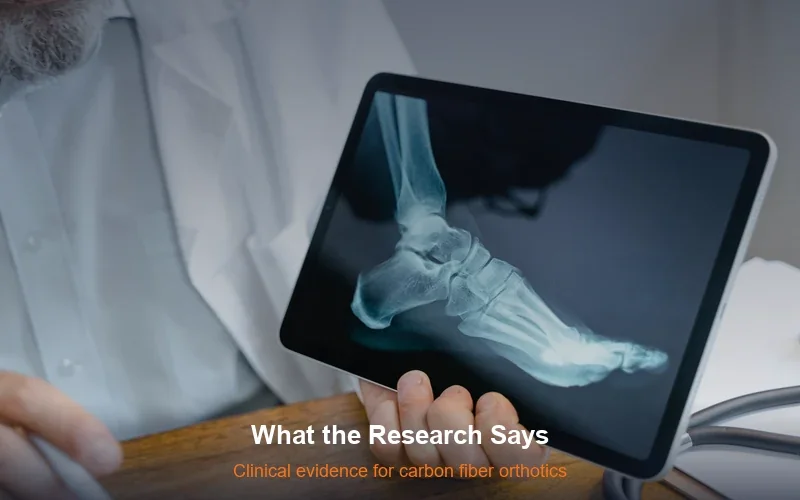
Clinical research supports the use of carbon fiber orthotics for plantar fasciitis. A 2019 study in the Journal of the American Podiatric Medical Association found that carbon fiber orthotic plates significantly reduced plantar fascia strain during gait compared to traditional orthotic materials.
A separate study in Gait & Posture examined how carbon fiber insoles affect foot biomechanics in patients with plantar fasciitis. Researchers found that the stiff carbon fiber construction reduced forefoot dorsiflexion by up to 30 percent, which directly translates to less tensile stress on the plantar fascia during the push-off phase of walking.
It is worth noting that most published studies examine custom-molded carbon fiber orthotics prescribed by a podiatrist. Over-the-counter carbon fiber insoles are more affordable but may not provide the same level of individualized correction. For moderate plantar fasciitis, however, many patients find clinically meaningful relief with quality pre-fabricated options.
Carbon Fiber Insoles vs. Traditional Orthotics
Traditional orthotic insoles for plantar fasciitis fall into two broad categories: cushioned insoles (foam, gel, or memory foam) and semi-rigid supports (plastic or composite shells). Each has distinct advantages depending on your specific needs.
Cushioned insoles excel at shock absorption. If your primary complaint is the impact of walking on hard surfaces, a gel or silicone insole may be more immediately comfortable. The trade-off is that they wear out faster, typically every 3–6 months, and they do not control foot motion in any meaningful way.
Semi-rigid plastic orthotics offer a middle ground. They are stiffer than foam but more flexible than carbon fiber. They can work well for mild plantar fasciitis but may not provide enough motion control for moderate to severe cases driven by biomechanical factors.
Carbon fiber sits at the rigid end of the spectrum. It offers the most motion control of any insole material, which makes it ideal for people whose plantar fasciitis is driven by overpronation or excessive foot flexibility. The table below summarizes the differences.
| Insole Type | Motion Control | Cushioning | Typical Lifespan | Best For |
|---|---|---|---|---|
| Foam or Gel | Low | High | 3–6 months | Mild pain, impact absorption |
| Plastic Orthotic | Medium | Medium | 1–2 years | Moderate, general support |
| Carbon Fiber | High | Low | 3–5 years | Biomechanical PF, motion control |
Who Should Consider Carbon Fiber Insoles for Plantar Fasciitis?
Carbon fiber insoles are best-suited for people whose plantar fasciitis is driven by mechanical factors, excessive foot flexibility, overpronation, or a job that requires constant walking or standing on hard surfaces.
You may be a strong candidate if your heel pain has persisted despite trying cushioned insoles, if you have been diagnosed with overpronation or flat feet alongside your plantar fasciitis, or if you stand or walk on hard floors for six or more hours per day. People whose pain returns quickly after stretching or massage also tend to benefit from the continuous motion control that carbon fiber provides.
Medical Disclaimer
Plantar fasciitis can mimic other conditions including stress fractures, nerve entrapment, and Achilles tendinopathy. If you have not received a formal diagnosis from a healthcare professional, consult a podiatrist before choosing a treatment plan. Insoles are a supportive tool, not a substitute for medical care.
How to Choose the Best Carbon Fiber Insoles for Plantar Fasciitis
Full-Length vs. 3/4-Length
Carbon fiber insoles come in full-length and three-quarter-length designs. For plantar fasciitis, full-length insoles provide better motion control because they extend under the toes and limit flexion across the entire foot. Three-quarter-length options may work for mild cases but generally offer less relief.
Stiffness Rating
Not all carbon fiber insoles are equally rigid. Some use a thinner carbon fiber layer for more flexibility, while others are built to be nearly unbreakable. For plantar fasciitis, a medium to high-stiffness insole is generally recommended for adequate motion control.
Metatarsal Pad Integration
Some carbon fiber insoles incorporate a metatarsal pad, a raised bump positioned behind the ball of the foot. This feature can offload pressure from the forefoot and further reduce tension on the plantar fascia during the push-off phase of walking.
Fit and Sizing
Carbon fiber cannot be trimmed as easily as foam insoles. Check sizing carefully before purchasing. Many manufacturers offer size-specific options rather than a one-size-trims-all approach. If your size falls between two options, size up for a safer fit.
Tips for Getting the Most Out of Your Carbon Fiber Insoles
Carbon fiber insoles have a break-in period. Unlike soft foam insoles that feel comfortable immediately, the rigid material takes time to adapt to. Wear them for one to two hours on the first day and gradually increase usage over the course of a week.
Pair your insoles with supportive shoes. Carbon fiber insoles work best in footwear with a firm heel counter and minimal torsional flexibility. Avoid using them in very flexible or minimalist shoes, as the shoe may not provide enough stability for the insole to function properly.
Continue stretching throughout your treatment. The calf stretch and plantar fascia stretch remain important even with insoles. The insole reduces strain during activity, but stretching helps maintain flexibility in the tissue and prevents recurrence.
Other Effective Treatments for Plantar Fasciitis
Stretching and Physical Therapy
The plantar fascia stretch, pulling your toes back toward your shin, and standing calf stretches are first-line treatments supported by clinical guidelines. Physical therapy can address the muscle imbalances that contribute to the condition.
Night Splints
Night splints keep the foot in a dorsiflexed position while you sleep, preventing the plantar fascia from tightening overnight. This can significantly reduce morning pain and is one of the most effective non-invasive interventions.
Massage and Manual Therapy
Using a spiky ball or frozen water bottle to massage the arch can help break up adhesions and improve blood flow to the area. Many people find that treating plantar fasciitis with spiky balls provides noticeable relief between other treatments.
Supportive Footwear
Shoes with good arch support and a stable heel counter make a meaningful difference. If your daily shoes lack proper support, adding a quality orthotic insert is often the most practical first step. The right orthotic insoles for flat feet are designed to address the underlying mechanics that drive plantar fasciitis, making them an excellent complement to carbon fiber orthotics.
Conclusion
Plantar fasciitis does not have to control your mornings or limit your daily activity. Carbon fiber insoles offer a proven, motion-control approach to reducing plantar fascia strain that traditional cushioned insoles cannot match.
For many people, the combination of rigid carbon fiber support, regular stretching, and supportive footwear provides lasting relief without requiring more invasive treatments. If you are on your feet all day or dealing with chronic heel pain that has not responded to other solutions, carbon fiber insoles are worth discussing with your podiatrist.
For a more accessible option that still delivers excellent arch support, RoamingFeet ComfortMax insoles provide orthotic-level support at a fraction of the cost of custom orthotics. At $39.99 with free returns, they make an excellent daily alternative for mild to moderate plantar fasciitis or a complement to carbon fiber insoles for different activities.
Struggling with plantar fasciitis pain?
Our ComfortMax insoles provide targeted arch support designed to reduce strain on the plantar fascia, orthotic-level comfort at an affordable price.
Free returns on all orders · 30-day money-back guarantee
Frequently Asked Questions
How long does it take for carbon fiber insoles to relieve plantar fasciitis pain?
Most people notice improvement within two to four weeks of consistent use. The insoles reduce strain on the plantar fascia during every step, allowing micro-tears to heal gradually. Some people feel relief within the first few days, while others need a full month to experience the full benefit.
Can I wear carbon fiber insoles with any type of shoe?
Carbon fiber insoles fit best in shoes with a removable sock liner and a firm, stable sole. They work well in athletic shoes, work boots, and many casual sneakers. They may not fit in minimalist shoes, high heels, or sandals due to their rigid construction.
Are carbon fiber insoles better than gel insoles for plantar fasciitis?
It depends on your specific needs. Carbon fiber provides superior motion control and durability, making it ideal for biomechanical plantar fasciitis. Gel insoles offer better shock absorption and immediate comfort but do not control foot motion. Many people use both for different situations throughout the week.
Do I need a prescription for carbon fiber insoles?
No, many carbon fiber insoles are available over the counter. However, a podiatrist can assess your specific foot mechanics and recommend the right stiffness level and design. Custom-molded carbon fiber orthotics do require a prescription and professional fitting.
Can carbon fiber insoles make plantar fasciitis worse?
Rarely, but it can happen if you transition too quickly. Carbon fiber insoles are very rigid, and some people find them uncomfortable during the break-in period. Following a gradual adjustment schedule and ensuring the insole matches your arch height minimizes this risk. If pain increases rather than decreases, stop use and consult a podiatrist.
What is the cost difference between carbon fiber insoles and custom orthotics?
Over-the-counter carbon fiber insoles typically cost $40–$80, while custom carbon fiber orthotics from a podiatrist can range from $300–$600. For moderate plantar fasciitis, many patients achieve comparable relief with quality prefabricated options at a fraction of the cost.