Best Shoes for Metatarsalgia: What to Look for in 2026
Best Shoes for Metatarsalgia: What to Look for in 2026
Your shoes are either helping your metatarsalgia or making it worse. The wrong shoes compress the forefoot, increase pressure on the metatarsal heads, and prevent healing. The right shoes do the opposite: they create space, reduce impact, and allow the foot to function naturally. This guide explains exactly what features to look for, which brands deliver them, and how to choose the right shoe for your specific needs.
Key Takeaways
- Three features matter most: wide toe box, rocker sole, and thick cushioned midsole
- Avoid high heels, narrow toe boxes, and thin, inflexible soles
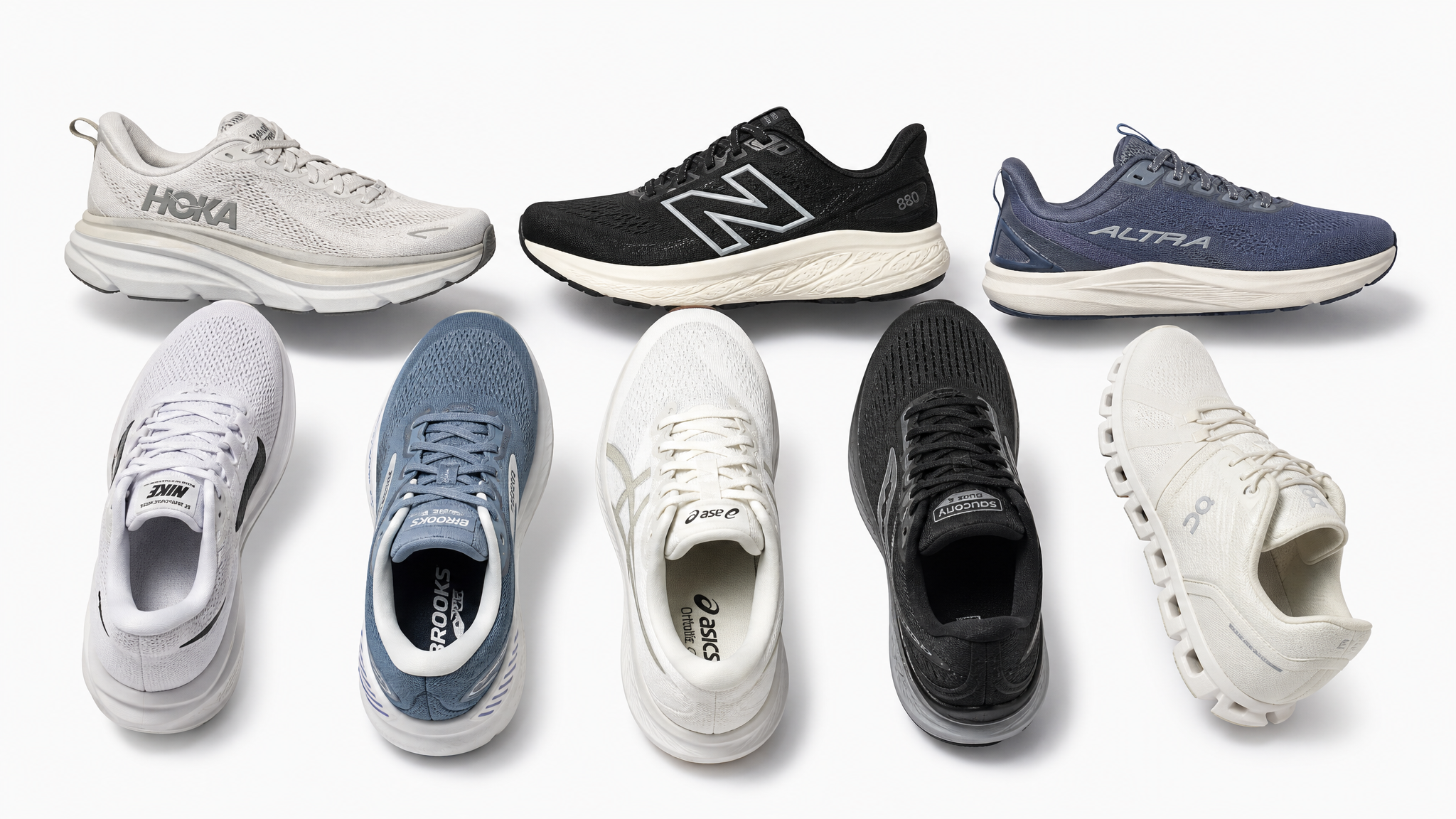
- Hoka, Altra, Brooks, and New Balance consistently offer metatarsalgia-friendly models
- The best approach pairs great shoes with supportive insoles — the shoes provide the platform; the insoles provide the targeted support
- Replace shoes every 300–500 miles; worn shoes lose the cushioning your forefoot needs
The Three Essential Features for Metatarsalgia Shoes
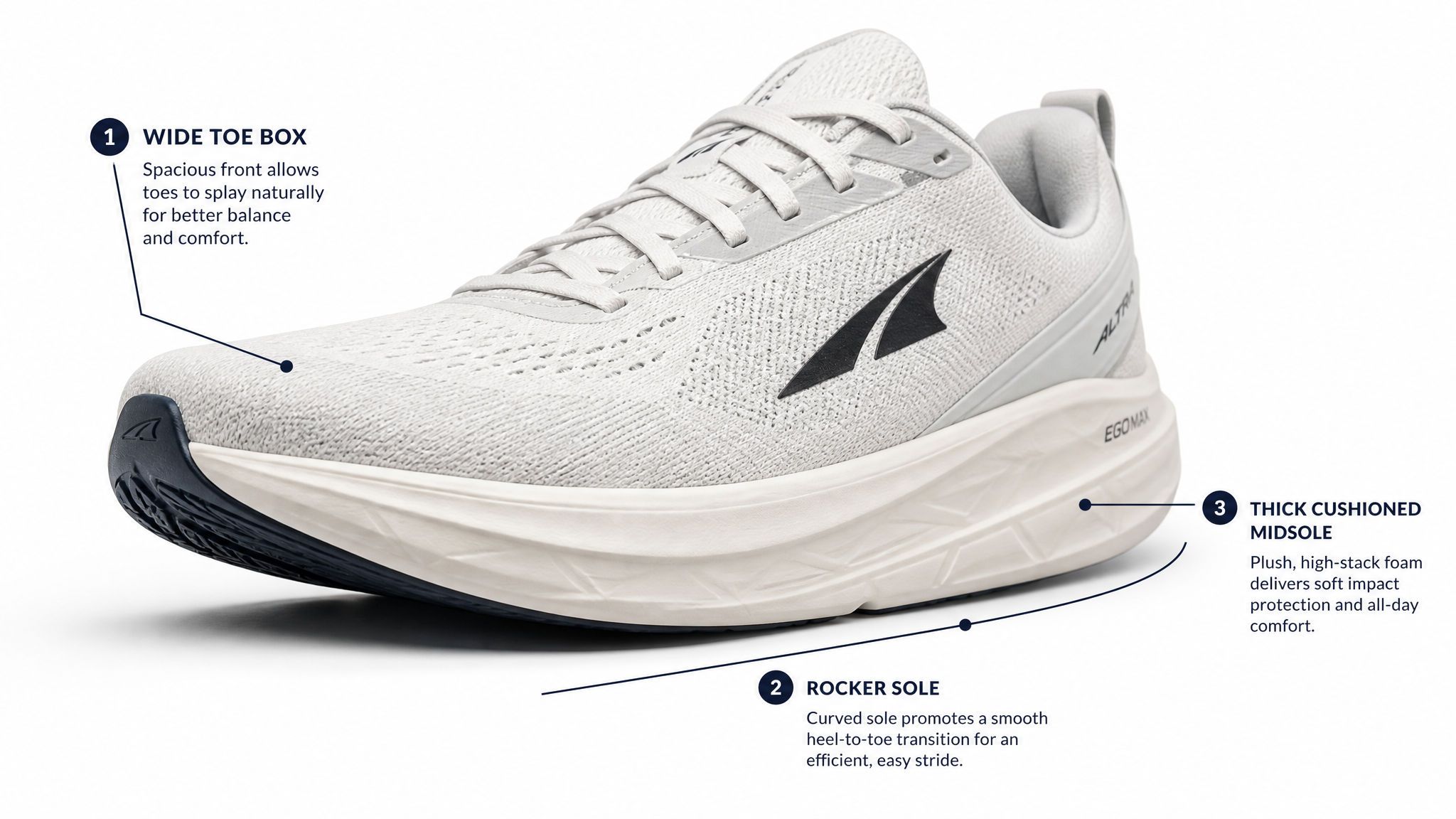
Not all “comfortable” shoes are suitable for metatarsalgia. Three specific design features matter more than overall cushioning or brand reputation.
1. Wide Toe Box
The toe box is the front portion of the shoe that houses your toes. In metatarsalgia, a wide toe box serves two critical functions:
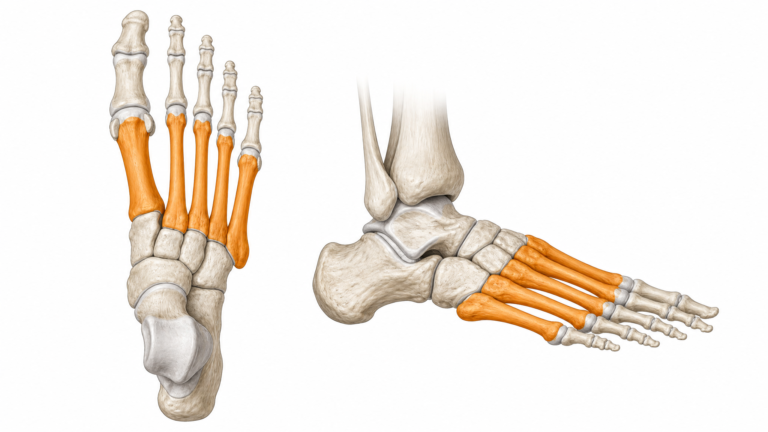
It allows the metatarsal heads to spread naturally. When your toes are compressed in a narrow toe box, the metatarsal heads are pushed together, increasing pressure on the bones and the nerves between them. A wide toe box lets the forefoot splay naturally during weight-bearing, which reduces the crowding that aggravates metatarsalgia.
It accommodates insoles with metatarsal pads. Metatarsalgia insoles add volume inside the shoe. A wide toe box provides the extra room needed for both your foot and the insole.
Look for shoes described as “wide” (2E, 4E) or with naturally anatomical toe boxes (Altra’s “FootShape” toe box, for example). The test: your toes should be able to wiggle freely inside the shoe.
2. Rocker Sole Design
A rocker sole is curved upward at the toe, creating a rocking motion that reduces the amount of flexion at the metatarsophalangeal joints (where your toes bend). This is one of the most important features for metatarsalgia.
During normal walking, your foot bends at the forefoot during push-off. This bending compresses the metatarsal heads and can be painful with metatarsalgia. A rocker sole minimizes this motion by allowing the shoe to roll forward instead of requiring the foot to flex.
The effectiveness of a rocker sole depends on the rocker position. Look for a rocker that starts behind the metatarsal heads (approximately at the midfoot) rather than at the toe. This is sometimes called a “metatarsal rocker” or “forefoot rocker.”
3. Thick, Cushioned Midsole
The midsole is the layer of foam between the outsole and your foot. For metatarsalgia, you want:
- Adequate stack height (the amount of cushioning between your foot and the ground). Look for at least 25–30 mm of midsole foam under the forefoot.
- Resilient foam that does not bottom out quickly. EVA foam is standard; polyurethane or TPU-based foams last longer.
- A stable platform — excessive softness can instability worsen metatarsalgia.
The key is balancing cushioning with stability. A very soft, “pillowy” shoe may feel comfortable initially but can allow the foot to sink unevenly, creating new pressure points. Medium-density foam with a stable base is usually the best choice.
Best Shoe Types for Metatarsalgia
Walking Shoes
Walking shoes are a good starting point for metatarsalgia because they prioritize comfort and support over performance features. Look for walking-specific models with low heel-to-toe drops (4–8 mm), rocker soles, and removable insoles that can be replaced with metatarsalgia orthotics.
Running Shoes
Many running shoes work well for metatarsalgia due to their thick midsoles and advanced foam technologies. The best running shoes for metatarsalgia have wide toe boxes, moderate cushioning (not maximal, not minimal), and a rocker or “speed roll” geometry.
Casual and Dress Shoes
Casual and dress shoes are the hardest category for metatarsalgia because fashion footwear tends to have narrow toe boxes, thin soles, and non-removable insoles. Look for “orthopedic” or “comfort” dress shoe brands that prioritize foot health. Some brands now make dress shoes with hidden rocker soles and wide toe boxes that look professional but function like athletic shoes.
Top Brands for Metatarsalgia
Hoka
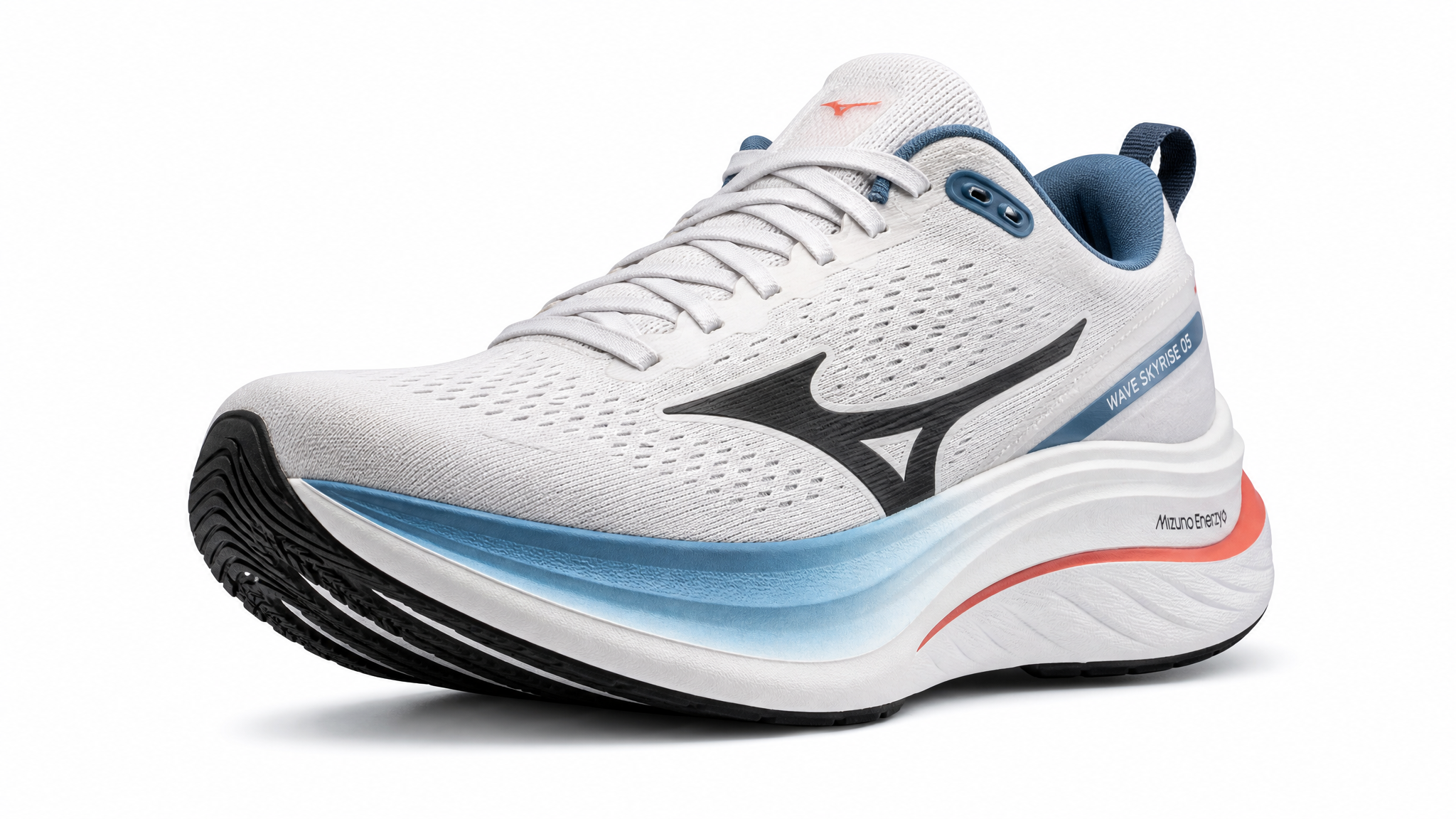
Hoka is widely regarded as the best brand for metatarsalgia due to its rocker sole geometry. Almost every Hoka model features a “Meta-Rocker” that facilitates smooth forward motion and reduces forefoot flexion. The thick midsoles provide excellent shock absorption. Hoka shoes for metatarsalgia are particularly popular because the rocker design directly addresses the mechanical cause of forefoot pain — and the brand offers models for both men and women across walking, running, and casual categories.
Best models for metatarsalgia: Clifton 9 (walking/everyday), Bondi 8 (maximum cushioning), Arahi 7 (stability), Gaviota 5 (maximum stability).
Altra
Altra’s key advantage is the “FootShape” toe box — a naturally wide shape that allows the toes to spread. Combined with zero-drop platform (heel and forefoot at the same height), Altra shoes promote natural foot mechanics and reduce forefoot pressure.
Best models for metatarsalgia: Paradigm 7 (maximum support), Torin 7 (everyday cushioning), Olympus 5 (trail/max cushioning), Via Olympus 2 (daily trainer).
Brooks
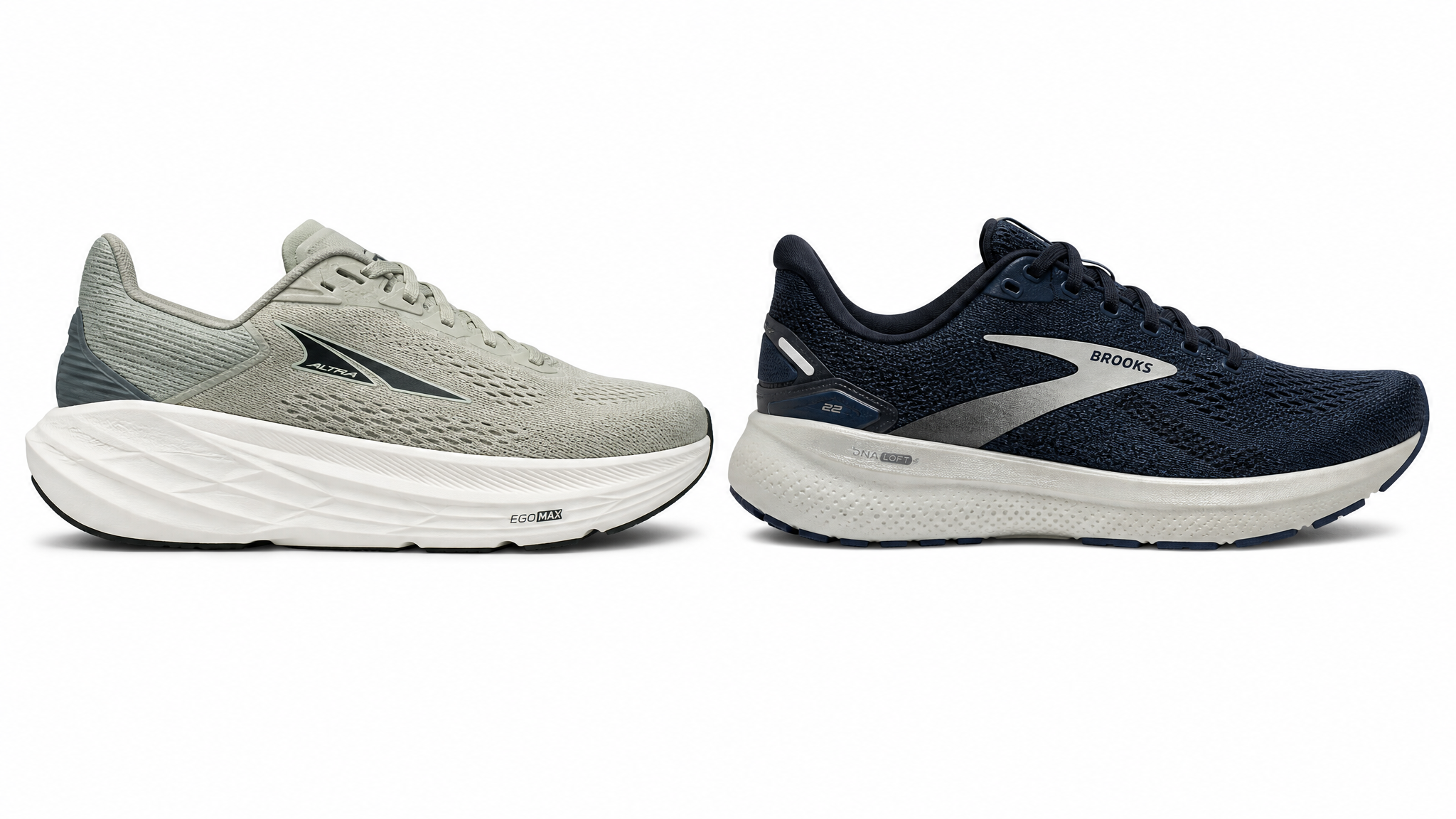
Brooks offers several models with “GlideRoll” rocker technology and wide width options. The brand is known for consistent quality and a wide range of support levels.
Best models for metatarsalgia: Ghost 16 (neutral, great cushioning), Glycerin 21 (maximum cushioning), Adrenaline GTS 24 (stability), Dyad 12 (extra stability, high support).
New Balance
New Balance offers more width options than most brands — including 4E (extra wide) and 6E (extra extra wide) in many models. The Fresh Foam midsole provides excellent shock absorption.
Best models for metatarsalgia: Fresh Foam 1080v14 (neutral/cushioned), Fresh Foam More v5 (maximum cushioning), 1540v3 (stability, motion control), 880v14 (daily trainer).
Shoes to Avoid with Metatarsalgia
Some shoe types are consistently problematic for metatarsalgia:
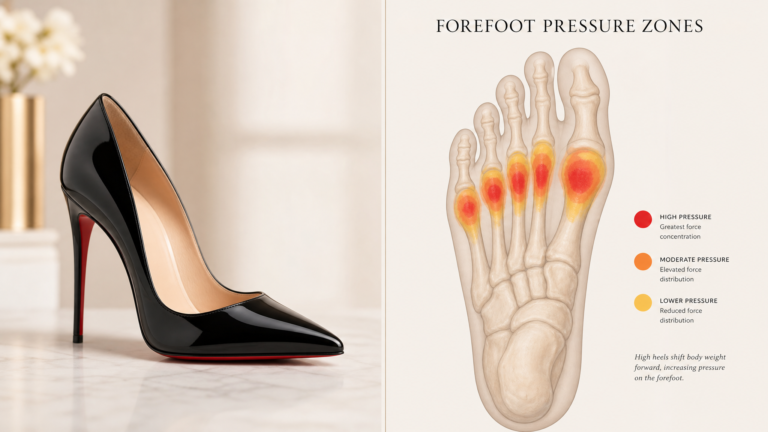
High heels. Heels above 1.5 inches shift body weight forward, multiplying forefoot pressure by 2–3 times. Even occasional wear can aggravate metatarsalgia.
Minimalist shoes. Shoes with thin soles (less than 15 mm stack height) provide inadequate shock absorption and increase impact on the metatarsal heads.
Narrow, pointed shoes. Fashion sneakers, dress shoes, and boots with pointed toe boxes compress the forefoot and crowd the metatarsal heads.
Flat, inflexible soles. Shoes with thin, rigid soles (some boat shoes, loafers, and casual flats) provide no shock absorption and can increase pressure on the forefoot.
Combining Shoes with Insoles for Best Results
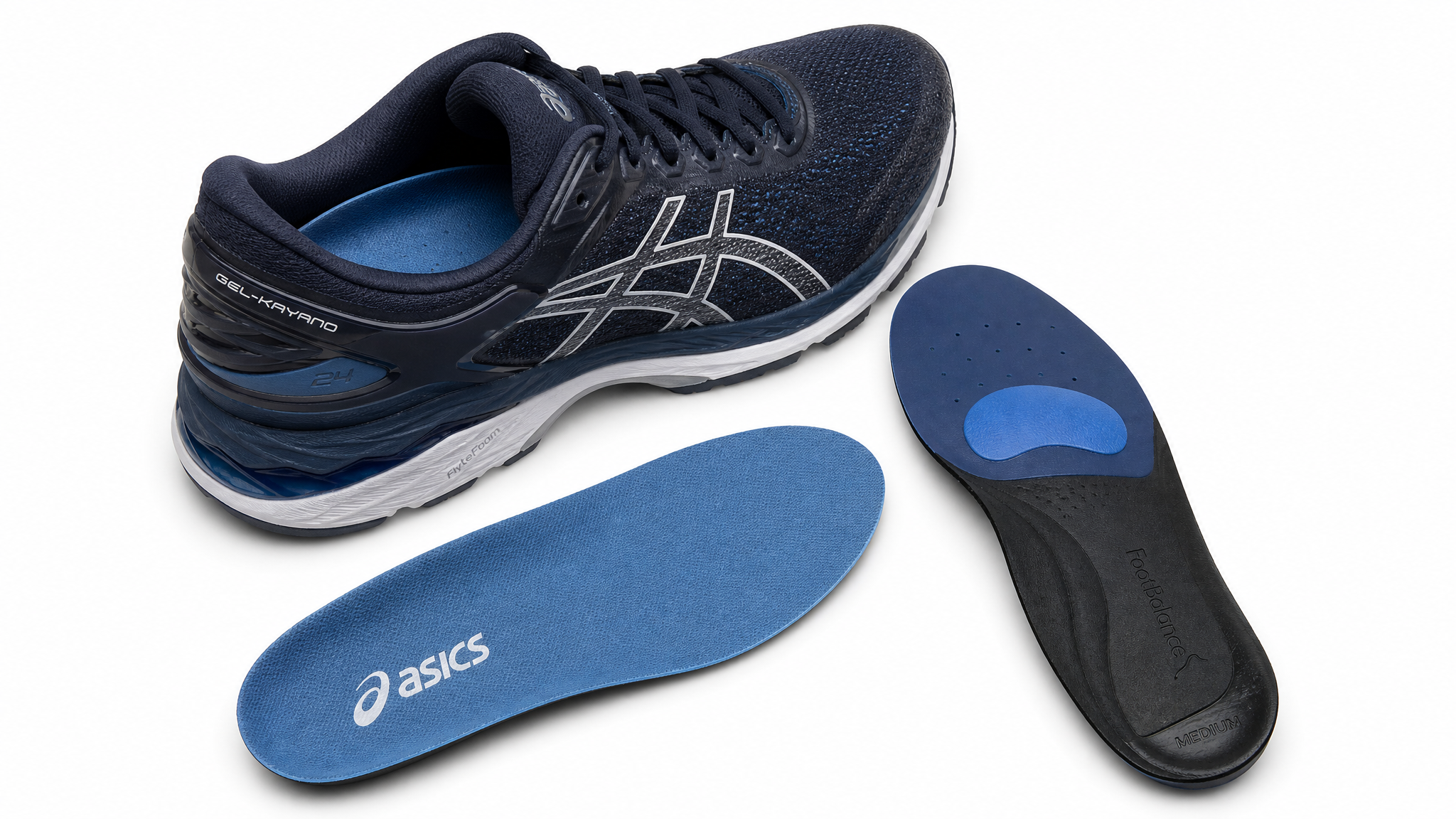
The best shoes for metatarsalgia provide the foundation, but adding supportive insoles takes the effect further. Here is why the combination works:
Shoes provide the platform. The wide toe box, rocker sole, and cushioned midsole create the right environment for your foot.
Insoles provide the targeted support. A metatarsal pad lifts and separates the metatarsal heads — something no shoe does on its own. Firm arch support controls pronation that may be contributing to forefoot pressure.
The best insoles for ball of foot pain include built-in metatarsal domes that work with any compatible shoe. When choosing shoes, ensure the original insole is removable so you can replace it with a supportive orthotic insole.
When to Replace Your Shoes
Worn shoes lose the cushioning and support your forefoot needs. Replace your shoes when:
- The midsole foam shows visible compression or wrinkling
- The outsole tread is worn smooth in the forefoot or heel area
- The shoe feels less supportive than when new (typically after 300–500 miles of use)
- You notice a return of forefoot pain that had improved with the shoes when new
Quick Note
Rotating between two pairs of shoes extends the life of both pairs and gives the midsole foam time to decompress between wears. This is especially helpful if you walk or run daily.
Conclusion
The best shoes for metatarsalgia combine three features: a wide toe box that allows natural forefoot splay, a rocker sole that minimizes painful metatarsal flexion, and a thick cushioned midsole that absorbs shock. Brands like Hoka, Altra, Brooks, and New Balance offer models with these features. Pair your shoes with supportive insoles with metatarsal pads for the most complete relief.
Get the right support inside your shoes.
Our orthotic insoles with metatarsal domes provide targeted relief for ball of foot pain in any compatible shoe.
Free returns on all orders · 30-day money-back guarantee
Frequently Asked Questions
Are Hoka shoes good for metatarsalgia?
Yes. Hoka’s Meta-Rocker technology reduces forefoot flexion during walking, which directly addresses the mechanical source of metatarsalgia pain. Combined with thick, cushioned midsoles and wide toe boxes in many models, Hoka is one of the top brands for ball of foot pain.
Can I wear dress shoes with metatarsalgia?
It is difficult but possible. Look for comfort-focused dress shoe brands that offer wide sizes, removable insoles, and some rocker sole geometry. You can also add thin metatarsal pad inserts to dress shoes that have removable insoles. Avoid pointed-toe dress shoes entirely.
Do I need special shoes if I use metatarsalgia insoles?
Yes. Metatarsalgia insoles add volume inside the shoe, so you need shoes with removable original insoles and adequate depth. Shoes with narrow toe boxes or fixed insoles will not accommodate the extra volume and may compress your foot, making the pain worse.
What is the difference between rocker soles and regular soles?
Rocker soles are curved upward at the toe, creating a rocking motion that reduces the need for the foot to bend at the forefoot during walking. Regular flat soles require the foot to flex fully at the metatarsophalangeal joints, which compresses the metatarsal heads and aggravates metatarsalgia.
Should I buy shoes a size larger for metatarsalgia?
Not necessarily a full size larger, but you should ensure adequate room in the toe box. There should be a thumb’s width of space between your longest toe and the end of the shoe. Going up half a size can help if your regular size feels tight in the forefoot.