Flat Feet Army Standards: Can You Join the Army with Flat Feet?
Flat Feet Army Standards: Can You Join the Army with Flat Feet?
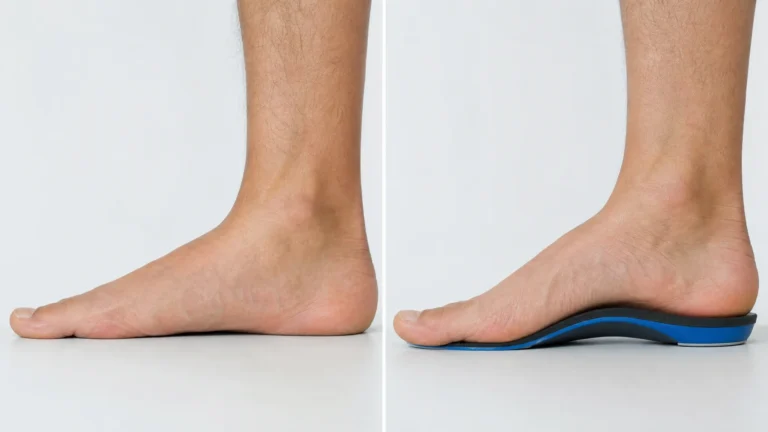
The short answer is yes — you can join the Army with flat feet in most cases. The Army evaluates flat feet based on symptoms and function rather than arch height alone. Asymptomatic flat feet — flat arches that do not cause pain, swelling, or functional limitation — are generally not disqualifying. This guide covers the Army’s specific standards, the waiver process, and what recruits with flat feet need to know about basic training.
Key Takeaways
- Asymptomatic flat feet are not disqualifying for Army service as of 2026
- Symptomatic flat feet that cause chronic pain or limit physical activity may require a medical waiver
- The Army processes flat feet waivers regularly — they are among the more common medical waivers
- Arch support insoles are permitted in Army basic training and can significantly improve comfort
- Proper preparation before basic training reduces the risk of shin splints and stress fractures
Army Medical Standards for Flat Feet
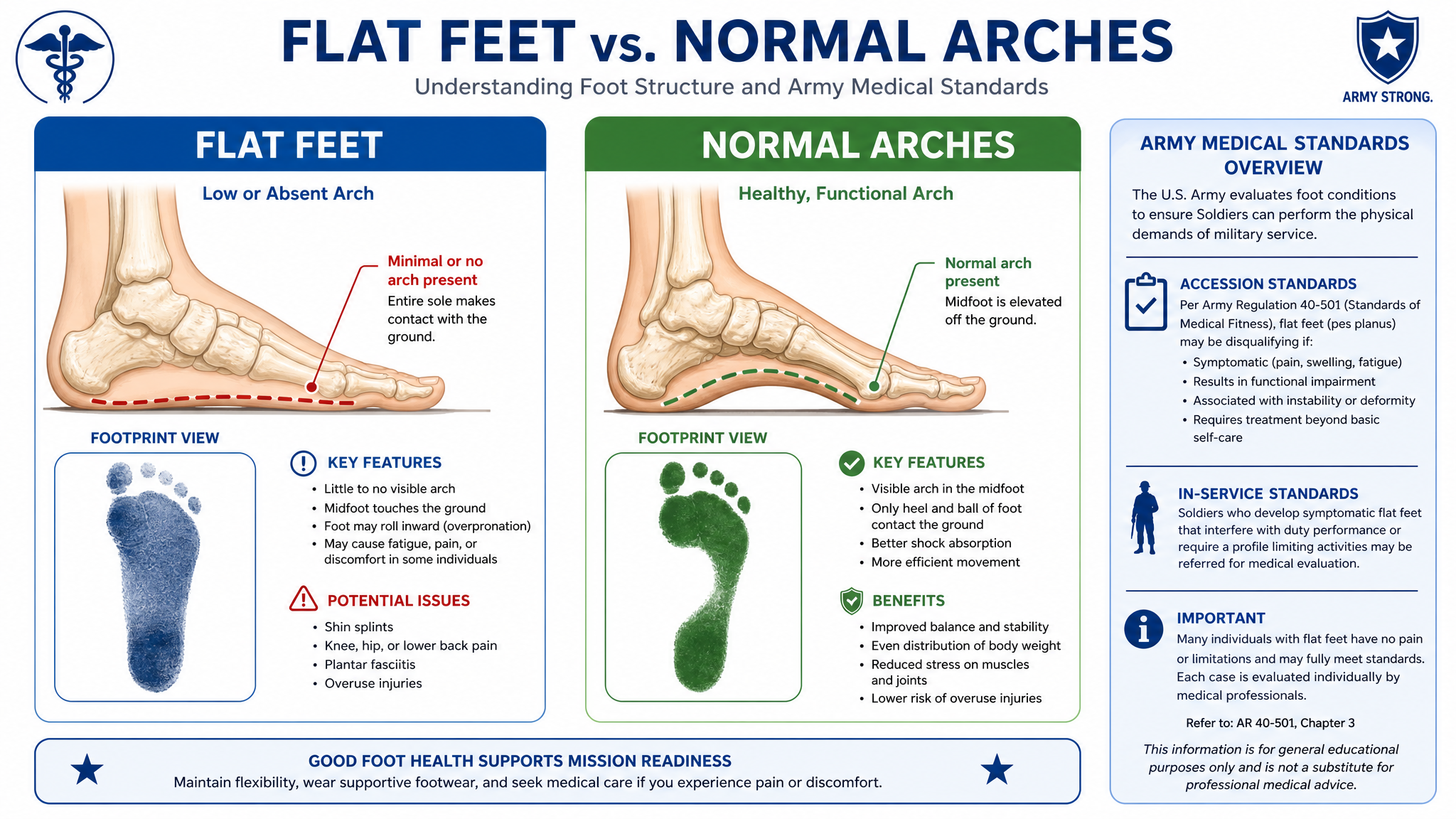
The Army’s medical enlistment standards are governed by Army Regulation 40-501 (Standards of Medical Fitness). For flat feet, the regulation addresses “pes planus” under musculoskeletal conditions.
The specific standard disqualifies individuals with:
Symptomatic pes planus that causes pain, swelling, or tenderness in the arch or foot during weight-bearing activity. This means if your flat feet cause you pain during walking, running, or standing, the Army considers this a potentially disqualifying condition.
Flat feet that interfere with the proper fit of military boots. If your arch collapse is severe enough that standard-issue boots do not fit correctly or cause irritation, this may be flagged during the medical exam.
Flat feet accompanied by other foot conditions. If you have flat feet plus plantar fasciitis, posterior tibial tendonitis, or other overlapping conditions, the combination may be disqualifying even if each condition alone would not be.
A history of surgical correction for flat feet. Flat feet corrective procedures are rare but generally disqualifying. A waiver may be possible after full recovery and functional testing.
What the Army does not disqualify:
- Asymptomatic flat feet regardless of arch height or severity of collapse
- Flat feet discovered incidentally during the MEPS exam with no reported symptoms
- Flat feet that are well-managed with over-the-counter arch support insoles
The key distinction is symptomatic versus asymptomatic. The Army has shifted significantly from earlier policies — during the Vietnam era, flat feet were an automatic disqualification. Today, the standard is function-based.
Can You Have Flat Feet in the Army?
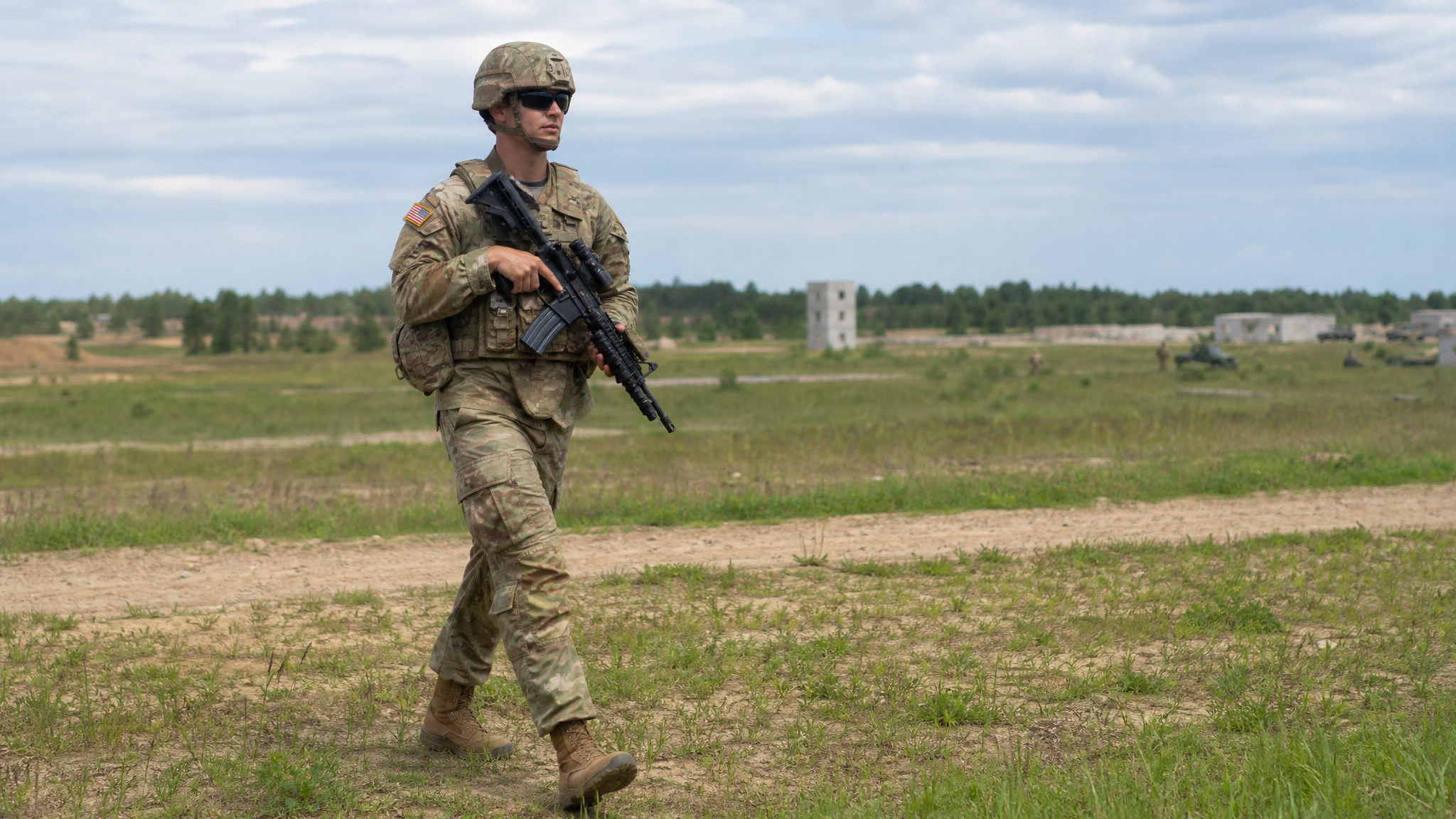
Yes. Many soldiers serve with flat feet without any issues. The Army cares about performance, not arch appearance.
Here is how different scenarios typically play out:
No symptoms, low arches. You will almost certainly pass the medical examination. Many recruits have flat feet and serve without restrictions. The key is having no history of pain, treatment, or activity limitations related to your arches.
Mild or occasional arch pain. If you experience arch pain after long runs or standing for extended periods, you may need a waiver. A podiatrist’s note confirming the condition is manageable with supportive insoles strengthens your case.
Chronic pain or prior treatment. If you have a documented history of flat feet-related pain, physical therapy, or orthotic prescriptions, the Army will evaluate whether the condition will interfere with training or deployability. Waivers are possible but require more documentation.
The Army Flat Feet Waiver Process
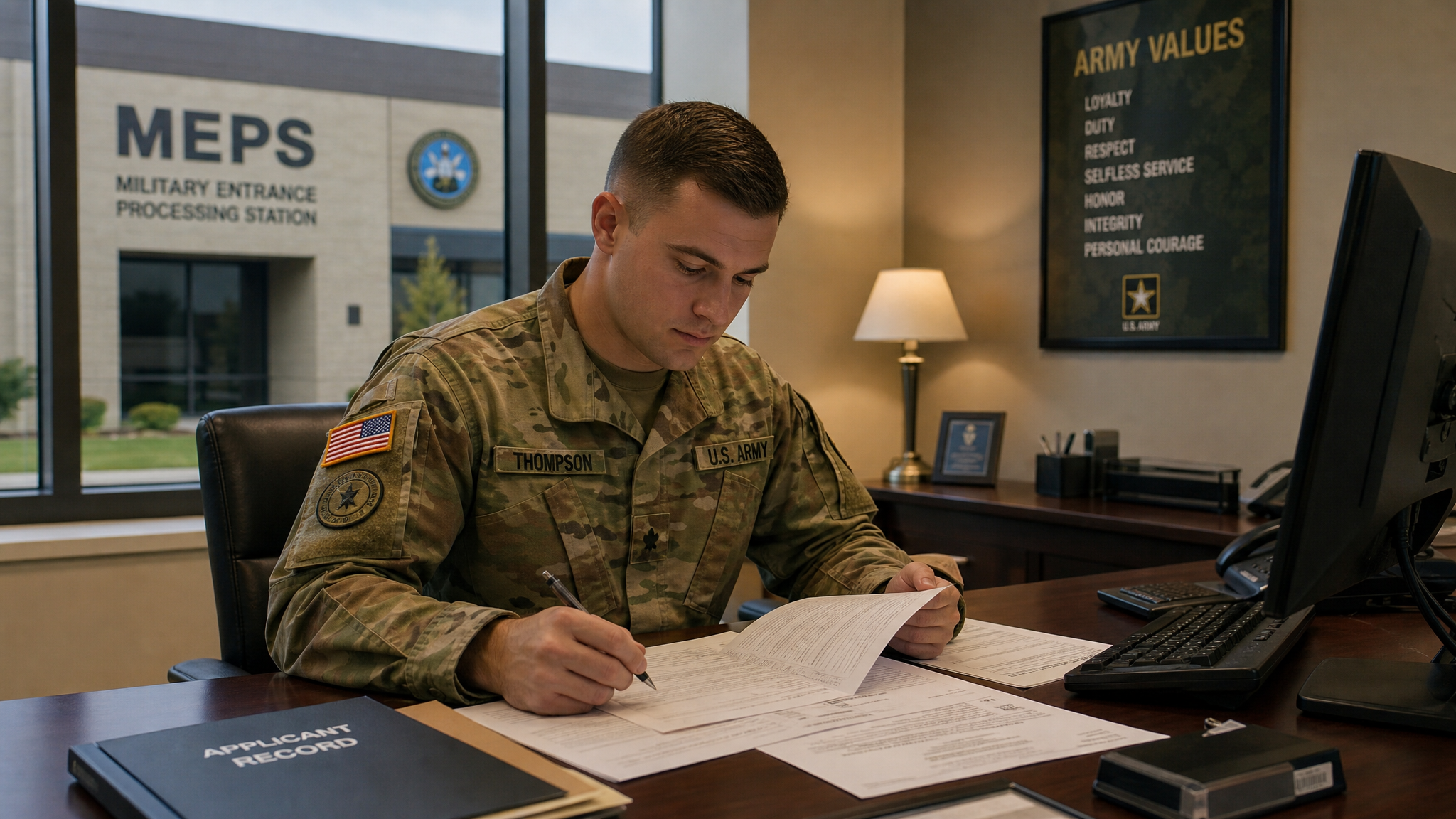
If your flat feet are symptomatic and flagged during the MEPS medical exam, you can apply for a medical waiver. Here is how the process works:
Step 1: Medical documentation. Your recruiter will request your medical records related to flat feet. This includes any podiatry visits, orthotic prescriptions, physical therapy records, and imaging studies.
Step 2: Current evaluation. You will need a current evaluation from a podiatrist or orthopedic specialist. The evaluation should state your diagnosis, describe your symptoms, and offer an opinion on your ability to perform military duties.
Step 3: Waiver submission. The MEPS physician documents the condition in your file. Your recruiter submits a waiver request through the appropriate channel. For the Army, flat feet waivers are processed through the US Army Recruiting Command (USAREC).
Step 4: Determination. The waiver authority reviews your case and makes a decision. Flat feet waivers are approved regularly — especially for asymptomatic or mildly symptomatic cases.
How to improve your chances: – Show that your flat feet are well-managed with supportive insoles – Demonstrate that you can run, ruck, and stand without significant pain – Have a clean medical record with no history of activity restrictions – Get a letter from a podiatrist stating you are fit for military duty
Flat Feet in Army Basic Training

Basic training places extraordinary demands on your feet. Recruits typically march 5–10 miles per day in boots, stand for hours during drill and ceremony, and run multiple times per week. For flat-footed recruits, this can lead to overuse injuries if the feet are not properly supported.
Common issues for flat feet in basic training:
Shin splints are the most common overuse injury among flat-footed recruits. Overpronation from collapsed arches places excessive strain on the tibialis posterior muscle, causing medial tibial stress syndrome. Proper arch support significantly reduces this risk.
Stress fractures occur when the metatarsals and heel are subjected to repetitive impact without adequate shock absorption. Flat feet alter force distribution through the foot, increasing stress on specific bones.
Plantar fasciitis develops when the constant tension from collapsed arches inflames the plantar fascia attachment at the heel. Marching and running in boots accelerates this process.
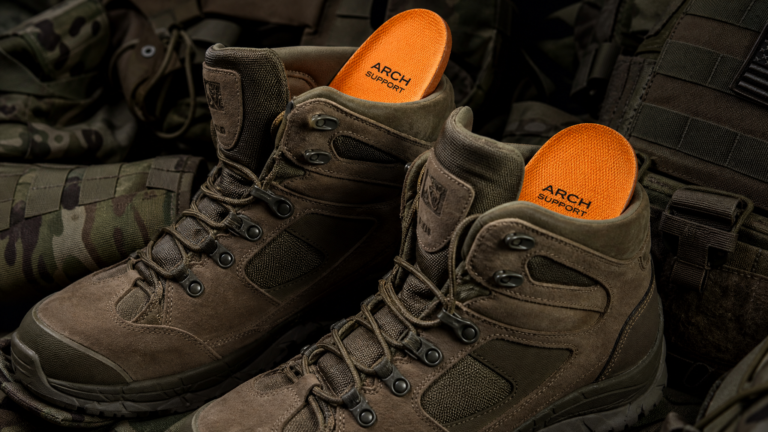
How insoles help. Arch support insoles are permitted in Army basic training. They provide the support that standard-issue boot insoles lack. Quality insoles with firm arch support reduce overpronation, absorb shock, and prevent the most common overuse injuries.
Our guide to the best insoles for flat feet covers options specifically designed for the demands of military footwear.
Preparing for Army Basic Training with Flat Feet
If you have flat feet and are preparing for Army basic training, follow this preparation plan:
8–12 weeks before shipping out: Start a progressive walking and running program. Gradually increase distance and time on your feet. This allows your posterior tibial tendon and foot intrinsics to adapt to the load.
6 weeks before: Begin wearing your insoles full-time. Breaking in firm arch support gradually prevents the calf cramps and shin splints that come from jumping into full-time wear.
4 weeks before: Add foot-specific exercises to your routine: calf raises, towel curls, short foot exercises, and balance work on one leg. Stronger feet handle basic training demands better.
2 weeks before: Do several long walks (3–5 miles) in your boots with your insoles. This breaks in both the boots and your feet.
Does the Army Issue Insoles for Flat Feet?
The Army provides standard-issue boot inserts that offer minimal arch support. These are not designed for flat feet. However, soldiers are permitted to purchase and use their own arch support insoles.
If you are diagnosed with flat feet during service, a military podiatrist can prescribe custom orthotics through the military healthcare system (Tricare). The process requires a referral and evaluation, but service members with diagnosed flat feet conditions can receive prescription orthotics.
Conclusion
The Army evaluates flat feet on symptoms and function, not arch height. Asymptomatic flat feet are not disqualifying. Symptomatic cases can often receive waivers with proper documentation. If you are preparing for Army service with flat feet, the smartest step is addressing your foot support before basic training begins. Quality arch support insoles prevent the most common overuse injuries that flat-footed recruits face.
Prepare for Army basic training with the right support.
Our flat feet insoles with firm arch support are designed for the demands of military boots and training.
Shop Arch Support Insoles →Free returns on all orders · 30-day money-back guarantee
Frequently Asked Questions
Can you join the Army with flat feet in 2026?
Yes. Asymptomatic flat feet are not disqualifying for Army service. Symptomatic flat feet may require a medical waiver, which is attainable in most cases with proper documentation.
Are flat feet disqualifying for the Army?
Only if they are symptomatic — causing pain, swelling, or interfering with boot fit. Asymptomatic flat feet are not disqualifying.
Does the Army do flat feet waivers?
Yes. The Army processes flat feet waivers regularly through US Army Recruiting Command (USAREC). Waivers are more likely when the condition is well-managed with supportive insoles.
Can I wear insoles in Army basic training?
Yes. Arch support insoles are permitted in Army basic training. They are considered medical devices. It is advisable to break them in before shipping out.
What happens at MEPS for flat feet?
The MEPS medical examiner will observe your arches while standing and walking. They will ask about any history of foot pain, treatment, or activity limitations. If you have no symptoms, the exam is straightforward.
Is basic training harder with flat feet?
Basic training is demanding for all recruits, but flat feet increase the risk of certain overuse injuries — particularly shin splints and stress fractures. Proper arch support insoles and pre-training conditioning significantly reduce this risk.