5 Metatarsalgia Exercises to Relieve Ball of Foot Pain
5 Metatarsalgia Exercises to Relieve Ball of Foot Pain
Exercise is one of the most effective treatments for metatarsalgia — but only if you are doing the right exercises. Tight calves and weak foot muscles are two of the biggest contributors to forefoot pressure, and both are correctable. These five exercises target the root causes of ball of foot pain, not just the symptoms. Done daily, they can significantly reduce or eliminate metatarsalgia pain within 2–4 weeks.
Key Takeaways
- Tight calf muscles are a primary cause of metatarsalgia — stretching them reduces forefoot pressure
- Intrinsic foot muscle exercises (towel curls, marble pickups) strengthen the arches and improve weight distribution
- Perform these exercises daily for best results — consistency matters more than intensity
- Pair exercises with supportive insoles for the fastest improvement
- Stop any exercise that causes sharp pain and consult a podiatrist if pain persists
Why Exercise Helps Metatarsalgia
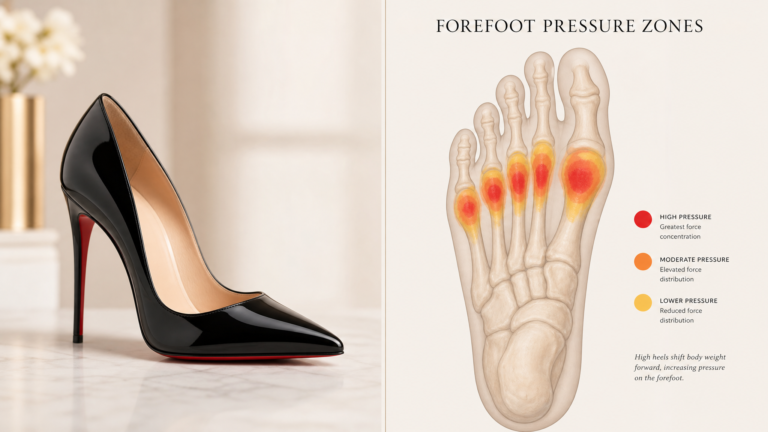
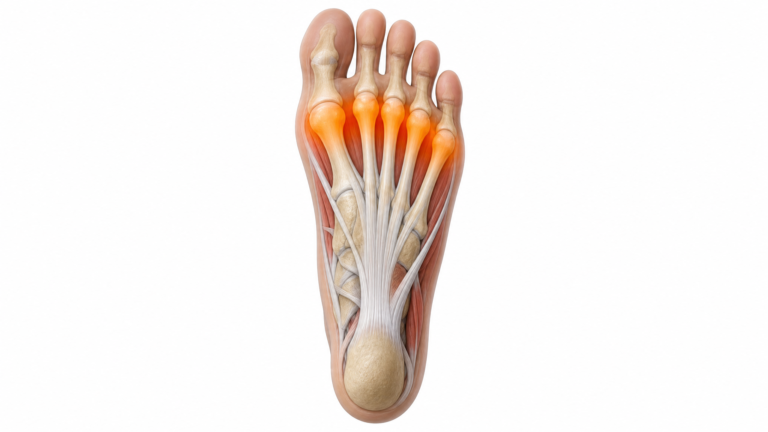
Metatarsalgia develops when the metatarsal heads experience excessive pressure. Two mechanical factors drive this pressure:
Tight calf muscles. When your calves and Achilles tendon are tight, your ankle cannot dorsiflex fully (pull your toes toward your shin). This forces your foot to compensate by rotating onto the forefoot earlier and staying there longer during walking. The result: your metatarsal heads bear weight for a longer portion of each step.
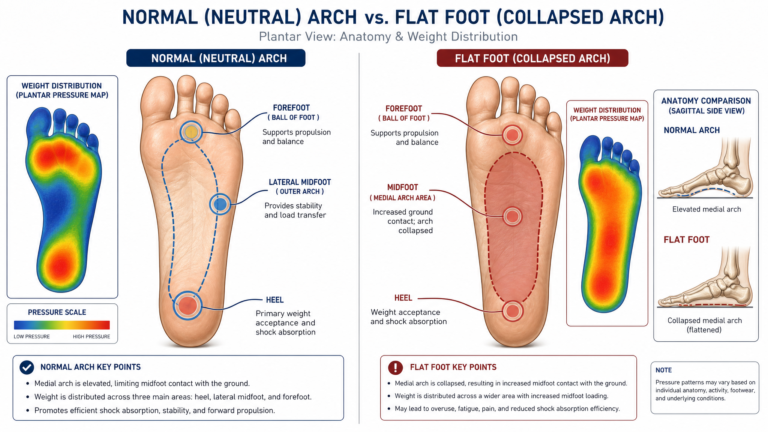
Weak intrinsic foot muscles. The small muscles inside your foot — the intrinsics — help maintain the arch and control toe position. When these muscles are weak, the arch drops and the metatarsal heads take on more load. Strong intrinsics distribute weight more evenly across the foot.
The exercises below address both factors. Stretches target calf tightness; strengthening exercises target the intrinsic muscles. Together, they address the mechanical causes of metatarsalgia rather than just masking the pain.
Quick Note
For best results, do these exercises in the order listed: start with the larger muscle groups (calves) and work down to the smaller intrinsic muscles. This warms up the foot and prepares it for the more targeted strengthening work.
Exercise 1: Calf Stretch (Two Versions)
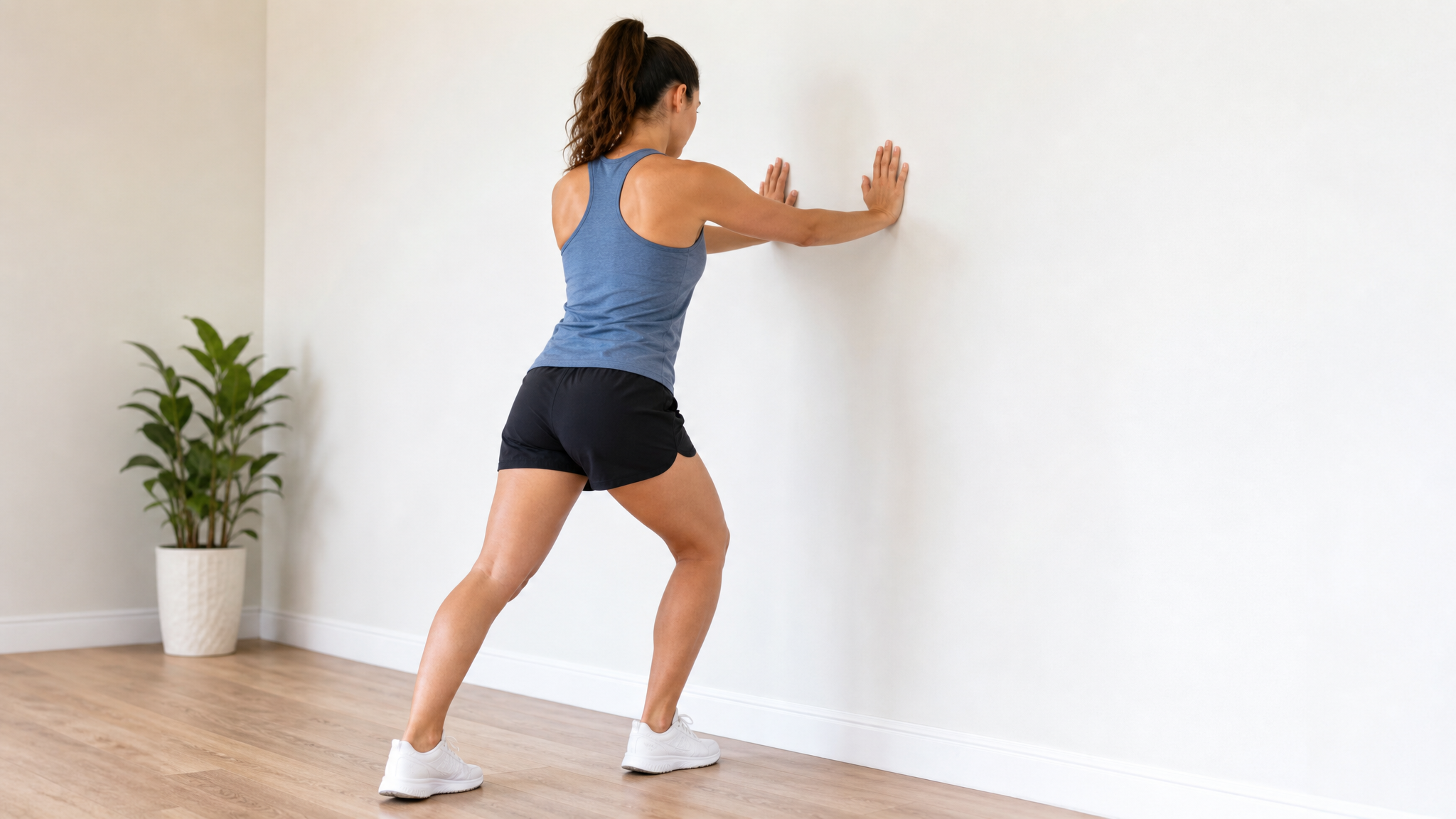
Why it helps. The calf stretch is the single most effective exercise for metatarsalgia because it addresses the primary mechanical driver of forefoot pressure. Tight gastrocnemius and soleus muscles limit ankle range of motion, forcing the forefoot to bear excessive load.
How to do it:
Straight-leg version (gastrocnemius):
1. Stand facing a wall with your hands on the wall at shoulder height
2. Place the affected foot behind you, keeping your leg straight and heel firmly on the floor
3. Bend your front knee until you feel a stretch in the middle of your calf
4. Hold for 30 seconds
5. Repeat 3 times per leg
Bent-knee version (soleus):
1. Same starting position, but keep the back knee slightly bent
2. Heel stays on the floor
3. You should feel the stretch lower in the calf, closer to the Achilles
4. Hold for 30 seconds
5. Repeat 3 times per leg
Progression: Once you can hold both versions comfortably for 30 seconds, try the “off-step” version: stand on a step with your heels hanging off the edge and lower your heels below the step level.
How often: Twice daily — once in the morning and once before bed.
Exercise 2: Towel Curls
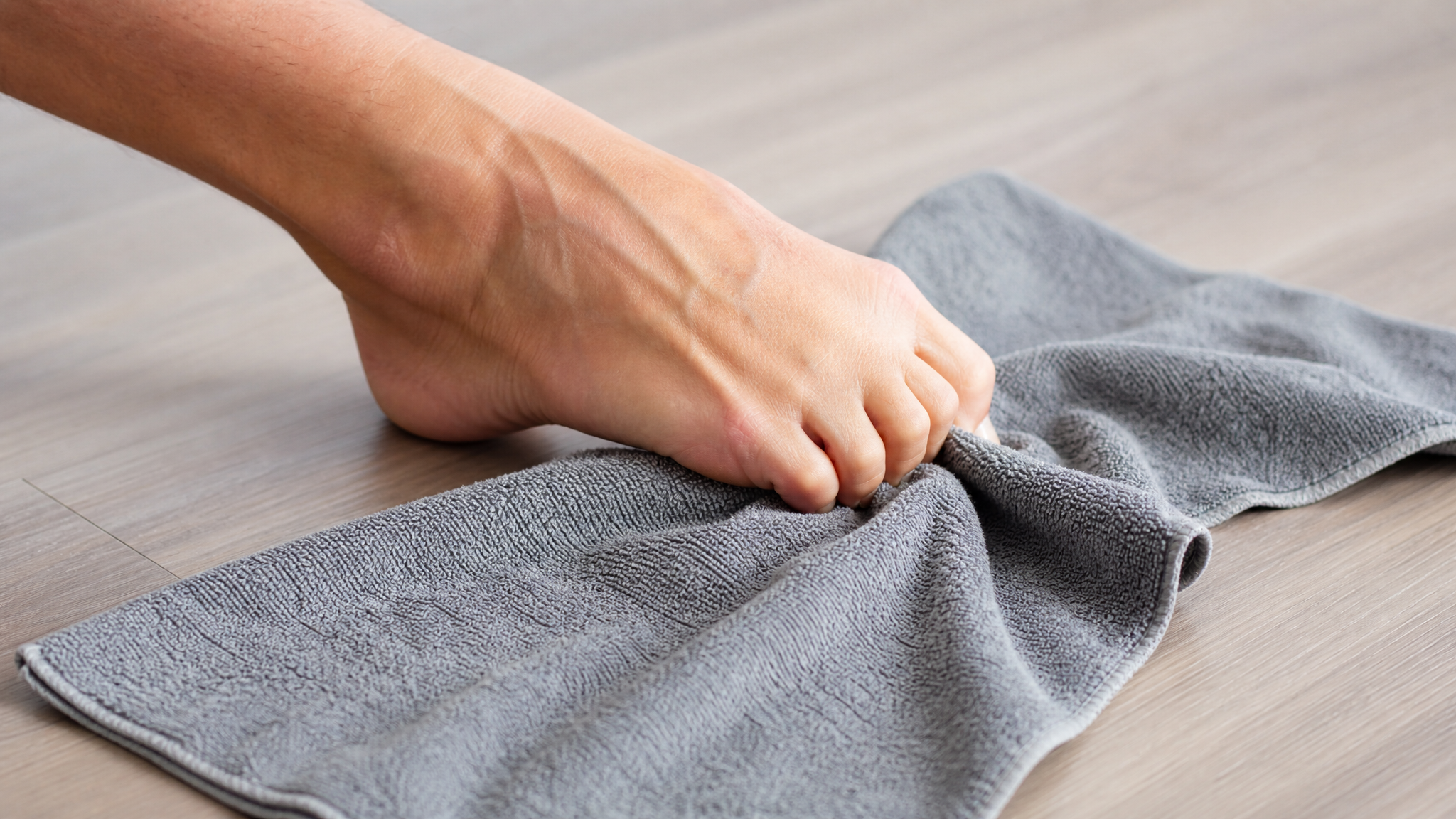
Why it helps. Towel curls target the intrinsic foot muscles — the small muscles that support the arch and control toe movement. Strong intrinsics improve weight distribution across the foot and reduce the burden on the metatarsal heads.
How to do it:
1. Sit in a chair with a small towel spread flat on the floor in front of you
2. Place your foot on the near edge of the towel
3. Use your toes to scrunch the towel toward you, pulling it under your foot
4. Keep your heel on the floor throughout the movement
5. Once you have scrunched the entire towel, smooth it back out and repeat
6. Do 3 sets of 20 scrunches per foot
Progression: Place a small weight (a book or light dumbbell) on the far end of the towel to add resistance.
Common mistakes: Lifting the heel off the floor, using the ankle instead of the toes, rushing through the movement. Go slowly and focus on toe flexion.
Exercise 3: Marble Pickups
Why it helps. Marble pickups are a higher-challenge version of the same movement as towel curls. They require precision and control that strengthen the smaller intrinsic muscles more effectively than the broader scrunching motion.
How to do it:
1. Place 10–15 marbles on the floor next to a small cup
2. Sit in a chair with your foot positioned near the marbles
3. Use your toes to pick up one marble at a time and place it in the cup
4. Work through all marbles on one foot, then switch
5. Do 2 rounds per foot
Progression: Use smaller objects (dried beans, beads) or try picking up marbles with your toes and transferring them to your opposite hand.
How often: Daily, as part of your exercise routine.
Exercise 4: Foot Rolling (Self-Massage)
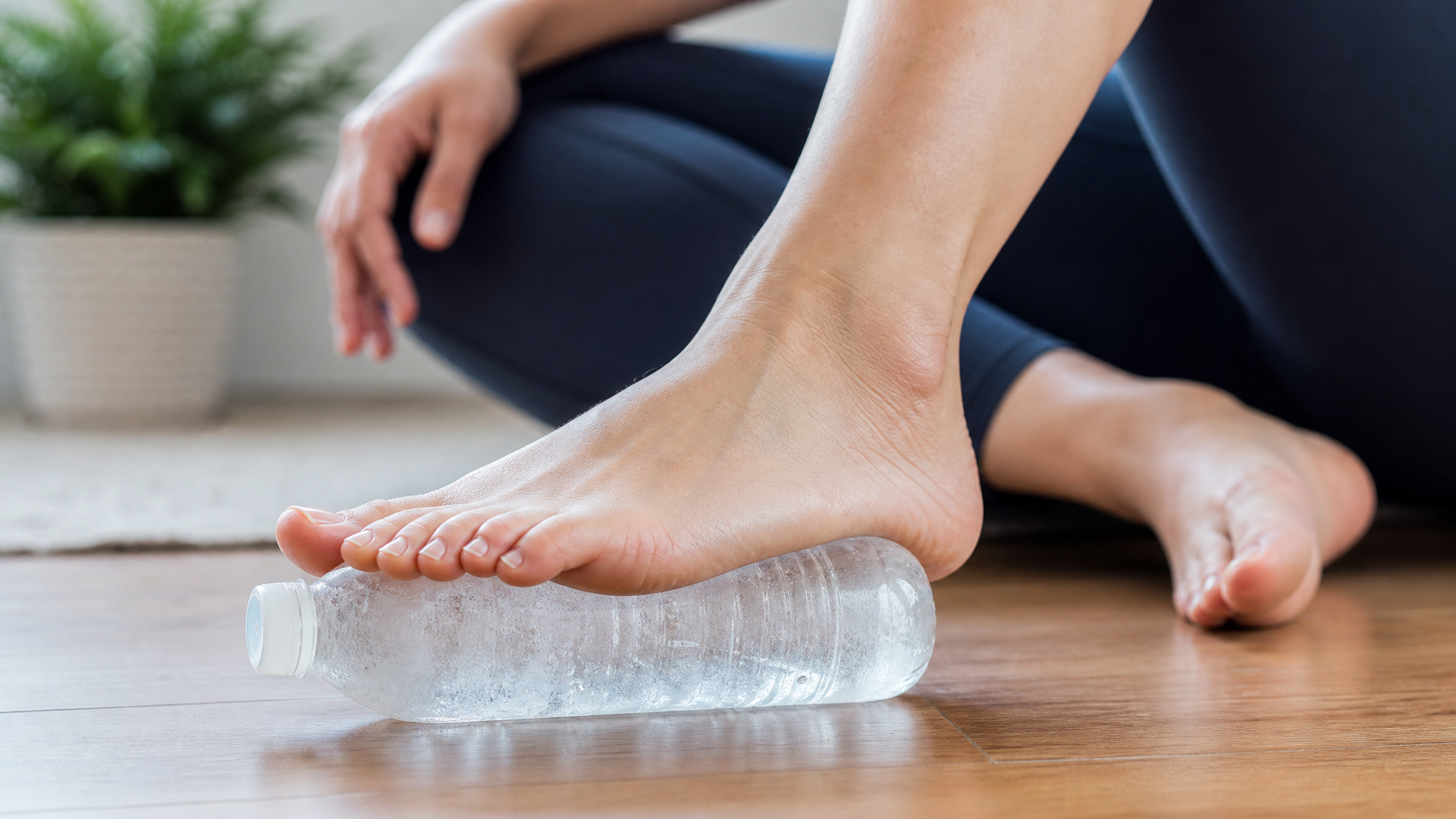
Why it helps. Foot rolling releases tension in the plantar fascia and intrinsic muscles of the foot. It also stimulates blood flow to the area, aiding tissue recovery. When done with a frozen water bottle, it combines massage with anti-inflammatory cold therapy.
How to do it:
1. Sit in a chair with a tennis ball, lacrosse ball, or frozen water bottle on the floor
2. Place the ball of your foot on the object
3. Gently roll the object under your foot from your heel to your toes
4. When you find a tender spot, pause and hold gentle pressure for 15–20 seconds
5. Continue rolling for 2–3 minutes per foot
6. Focus especially on the area just behind the metatarsal heads
What to feel: You should feel a “good” stretch or mild discomfort — not sharp pain. Sharp pain means you are pressing too hard or have an injury that needs medical attention.
How often: Once daily, preferably after the stretching exercises when the foot is already warmed up.
Important
Do not roll directly on the metatarsal heads (the bony knuckles at the ball of your foot). Rolling directly on the bones can increase inflammation and worsen metatarsalgia. Keep the rolling motion behind the metatarsal heads — in the soft area between the arch and the ball of the foot.
Exercise 5: Toe Spreading and Doming
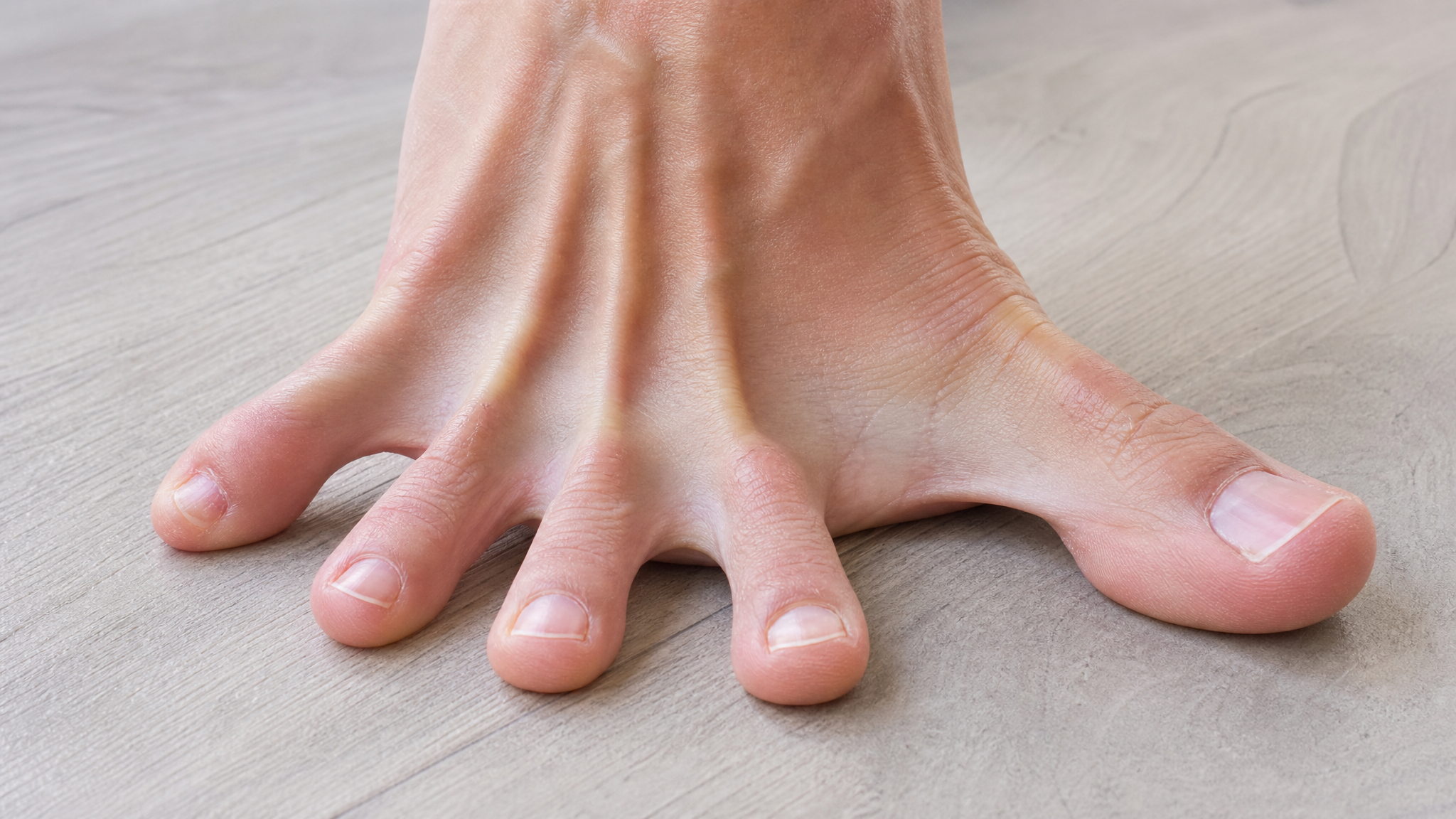
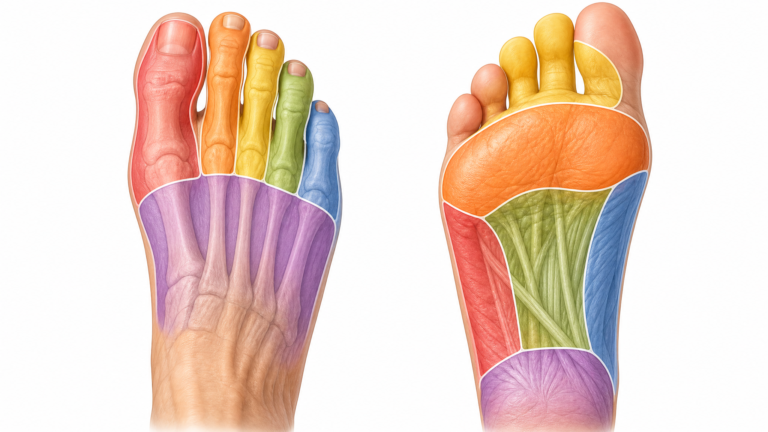
Why it helps. This exercise strengthens the intrinsic muscles that support the transverse arch of the foot — the arch that runs across the ball of your foot. Weakness in this arch contributes directly to metatarsalgia by allowing the metatarsal heads to drop and crowd together.
How to do it:
1. Sit barefoot with your foot flat on the floor
2. Spread your toes as wide apart as possible without lifting them off the floor
3. Hold the spread for 5 seconds
4. While keeping your toes spread, try to “dome” your foot — lift the arch slightly without curling your toes
5. Hold the dome for 5 seconds
6. Relax and repeat
7. Do 10 repetitions per foot
Common mistakes: Lifting the toes off the floor, curling the toes instead of spreading them, losing the arch position. If you cannot do this exercise, start with passive toe spreading — use your hands to spread your toes apart and hold for 10 seconds.
Progression: Once you can spread and dome reliably while sitting, try the same movement while standing. Even better: do it during single-leg stance for an added balance challenge.
Daily Routine Summary
Perform this routine in order, once in the morning and once in the evening:
| Exercise | Duration/Reps | Frequency |
|---|---|---|
| Calf stretch (straight leg) | 30 sec × 3 each leg | 2× daily |
| Calf stretch (bent knee) | 30 sec × 3 each leg | 2× daily |
| Towel curls | 20 reps × 3 sets per foot | 1× daily |
| Marble pickups | 10–15 marbles × 2 rounds per foot | 1× daily |
| Foot rolling | 2–3 minutes per foot | 1× daily |
| Toe spreading and doming | 10 reps per foot | 1× daily |
Total time: approximately 15–20 minutes per day.
Exercises to Avoid with Metatarsalgia
While the five exercises above are beneficial, certain movements can aggravate metatarsalgia:
High-impact jumping. Jumping jacks, box jumps, and plyometrics load the forefoot suddenly and with high force. Avoid these during the acute phase.
Deep toe stretches. Pulling your toes back aggressively (like a full plantar fascia stretch on all fours) can compress the metatarsal heads. Gentle toe extension is fine; aggressive stretching is not.
Barefoot walking on hard surfaces. Walking barefoot on tile, concrete, or hardwood floors removes the cushioning your forefoot needs. If you do these exercises barefoot, use a yoga mat or carpeted surface.
Exercises that cause sharp pain. Any exercise — even the ones listed above — that produces sharp or shooting pain in the ball of the foot should be stopped immediately. Modify the movement or skip it entirely.
When to Stop Exercising
These exercises should produce a feeling of gentle stretch and muscle activation, not pain. Stop any exercise that causes sharp, shooting, or worsening pain. Mild discomfort from stretching is normal — especially in tight calves — but pain in the ball of the foot itself should not increase.
If your pain does not improve after 4 weeks of daily exercise combined with proper insoles and footwear, see a podiatrist. You may have a condition beyond simple metatarsalgia that requires specific treatment.
Pairing Exercise with Insoles for Best Results
Exercise addresses the muscle and joint mechanics that drive metatarsalgia. Insoles address the immediate pressure on your feet while you go about your day. The combination is more effective than either approach alone.
Quality orthotic insoles with metatarsal support provide the foundation that allows your exercises to work. In fact, metatarsal pads are the single most searched-for product among people looking up metatarsalgia exercises — and for good reason. While your exercises strengthen your feet over time, the insoles protect your metatarsal heads during walking and standing. The best flat feet and fallen arches insoles include models with built-in metatarsal domes that complement this exercise routine.
Conclusion
Metatarsalgia exercise is one of the most effective ways to achieve long-term relief from ball of foot pain. Calf stretches address the mechanical driver of forefoot pressure, while intrinsic strengthening exercises build the foot’s natural support system. Combined with quality insoles and proper footwear, this daily routine can significantly reduce or eliminate metatarsalgia symptoms within 2–4 weeks.
Support your exercise routine with the right insoles.
Our orthotic insoles with metatarsal support give your feet the foundation they need while you strengthen them through exercise.
Free returns on all orders · 30-day money-back guarantee
Frequently Asked Questions
How long does it take for metatarsalgia exercises to work?
Most people notice improvement within 2–4 weeks of daily exercise. Full resolution may take 6–8 weeks, especially if the condition has been present for several months. Consistency matters more than intensity — 15 minutes of daily exercise is more effective than an hour once a week.
Can I do these exercises if my foot hurts?
Mild discomfort is normal, especially with stretching. Do not do exercises that cause sharp or worsening pain in the ball of your foot. If the pain is significant, start with only the calf stretches and foot rolling for the first week, then add the strengthening exercises as symptoms allow.
Do I need to stop running while doing these exercises?
During the acute phase (when pain is significant), switch to low-impact activities such as swimming, cycling, or elliptical training. You can gradually resume running as your pain decreases. The exercises themselves will help prepare your feet for a pain-free return to running.
What if these exercises do not help?
If you have been doing these exercises consistently for 4 weeks without improvement, the problem may be one of the less common causes of forefoot pain — predislocation syndrome, sesamoid disorder, or another condition that requires specific treatment. See a podiatrist for a thorough evaluation.
Do I need special equipment for these exercises?
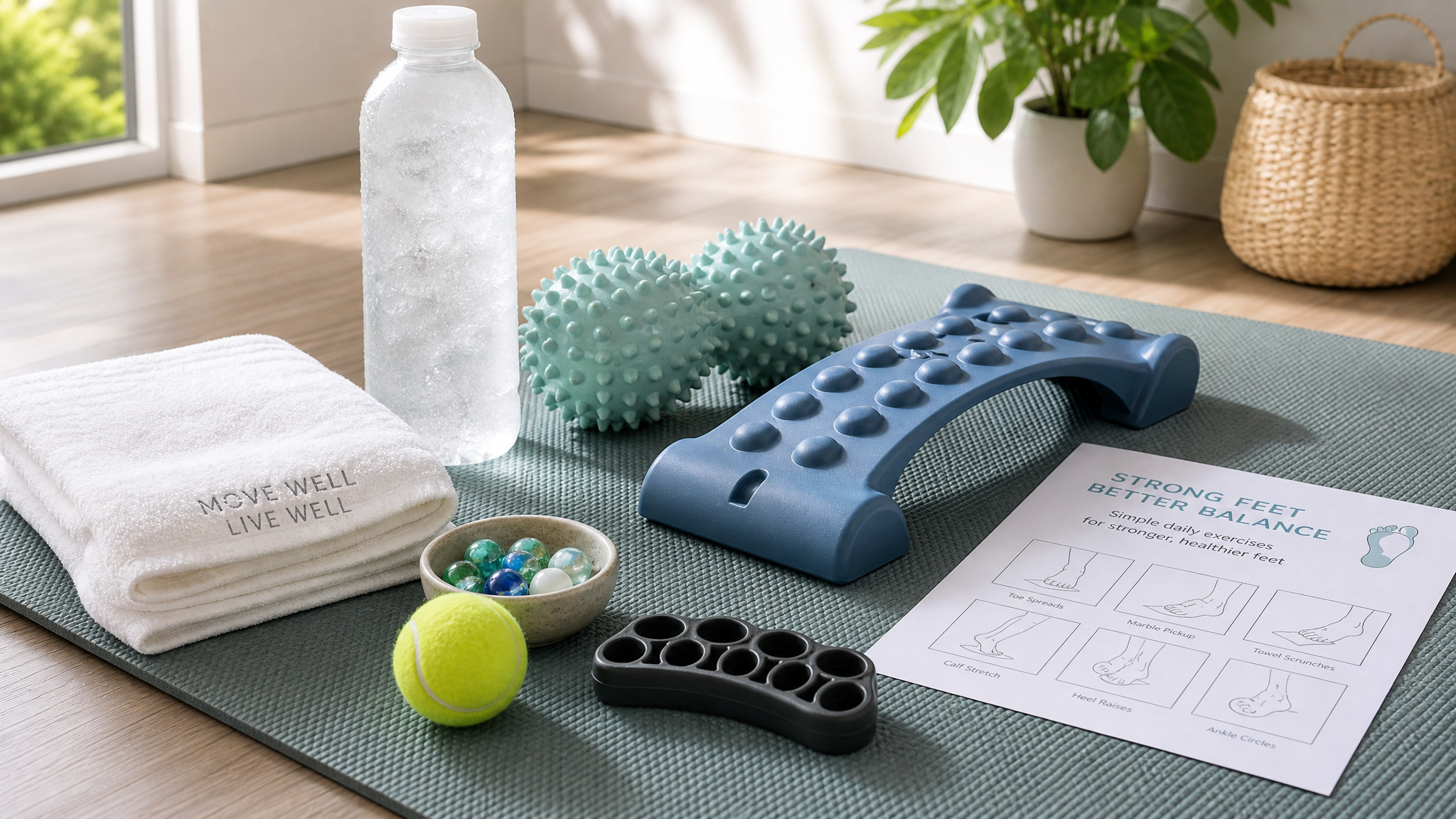
No. All five exercises use items you already have: a wall, a towel, marbles, a cup, a tennis ball or frozen water bottle. No gym membership or special equipment required.