Antimicrobial vs Antibacterial Insoles: What’s the Difference?
Antibacterial insoles target bacteria. Antimicrobial insoles cover a broader range of microorganisms, including bacteria, fungi, and mold. In everyday insole use, the distinction matters less than the marketing suggests, because the materials that inhibit bacteria, bamboo charcoal and silver ions, also inhibit fungi, which means most products sold as “antibacterial” are functionally antimicrobial.
The label on the box is not the useful question. The useful question is which microorganisms the insole’s material actually acts against, and whether that matches the problem you are trying to solve.
Key Takeaways:
- Antibacterial means effective against bacteria specifically; antimicrobial means effective against bacteria, fungi, mold, and other microorganisms
- In practice, the main materials used in antibacterial insoles (bamboo charcoal, silver ions) also inhibit fungi, making the labels functionally equivalent for most buyers
- Bamboo charcoal provides broad-spectrum natural inhibition against both bacteria and fungi
- If you have active athlete’s foot, an antifungal medication is the treatment; antimicrobial insoles help prevent recurrence
- The mechanism matters more than the label when choosing an insole
The Technical Distinction
Antibacterial refers specifically to action against bacteria. A product labeled antibacterial is tested and verified to inhibit or kill bacterial species. It makes no claim about fungi, viruses, or other microorganisms.
Antimicrobial is broader. It covers action against bacteria, fungi (including yeasts and molds), and sometimes viruses or parasites depending on the context. In medical settings, this distinction carries real weight. A hospital-grade antimicrobial surface treatment needs verified efficacy across a wider pathogen range than a product that only addresses bacterial contamination.
For insoles, the context is narrower. The two primary concerns inside footwear are:
- Bacteria (especially Staphylococcus, Bacillus, and Micrococcus) that produce foot odor
- Fungi (especially Trichophyton species) that cause athlete’s foot (tinea pedis)
Both thrive in the same warm, moist shoe environment. Any material that disrupts that environment tends to work against both.
Why Most Antibacterial Insoles Are Also Antifungal

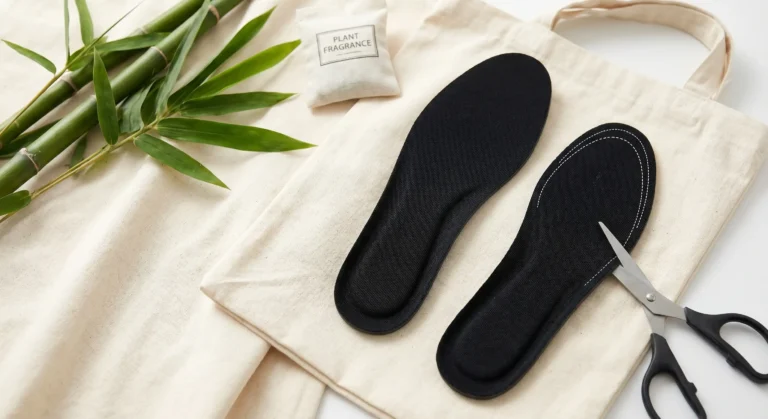
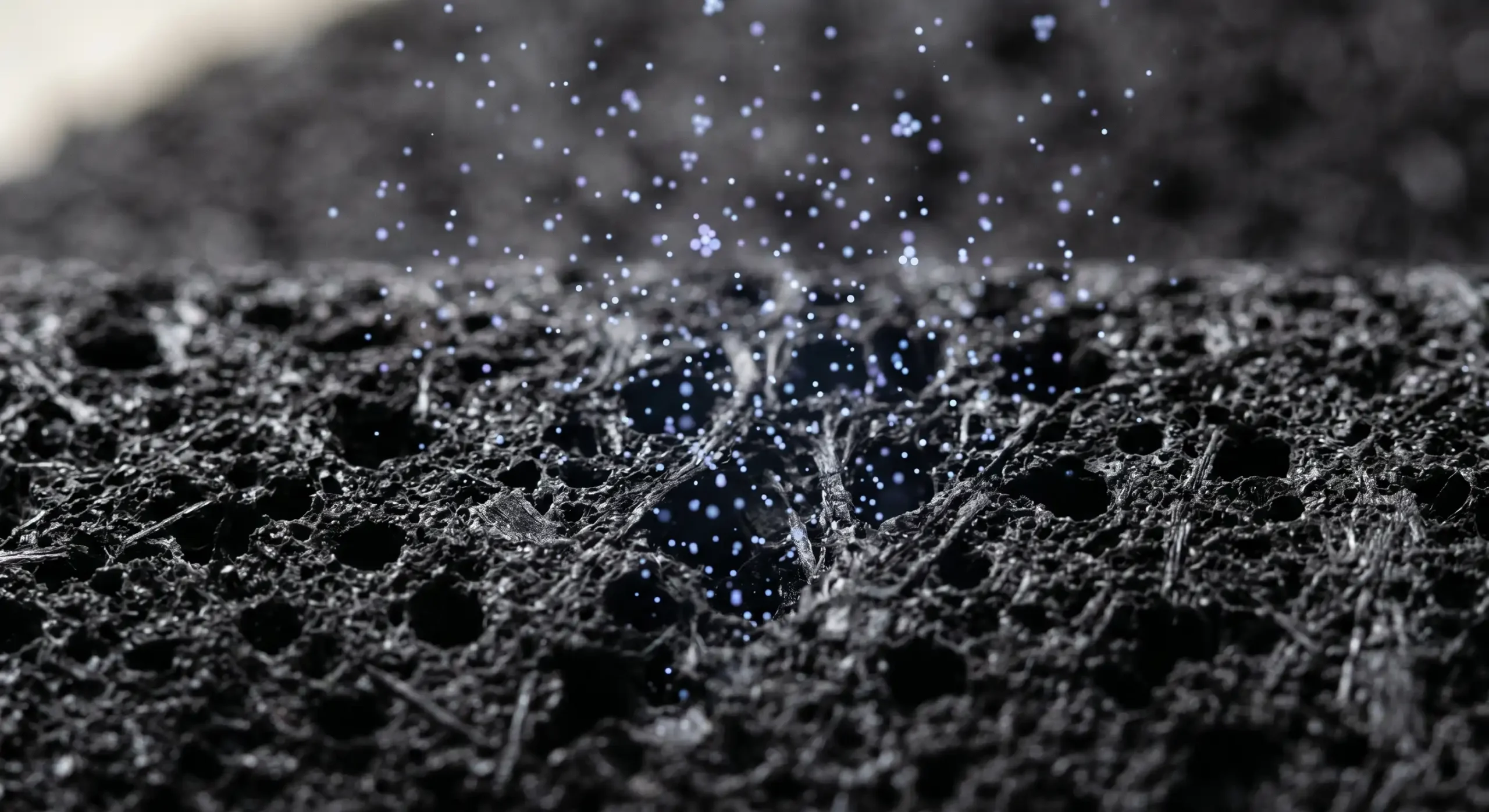
Bamboo charcoal works by absorbing moisture from the shoe interior. Less moisture means fewer bacteria and fewer fungi, because both depend on the same damp conditions. Bamboo charcoal does not selectively target bacteria; it removes the environmental condition both bacteria and fungi require.
Silver ions work by attacking cell membranes and disrupting enzyme activity. This mechanism is effective against more than 650 bacterial species. It is also effective against a range of fungal species, including the dermatophyte fungi responsible for athlete’s foot. Silver-based treatments in clinical use have demonstrated both antibacterial and antifungal activity.
This is why the FDA and regulatory bodies in most markets treat “antimicrobial” and “antibacterial” as overlapping rather than exclusive categories for consumer products. A product that demonstrably disrupts bacterial growth in footwear is very likely also disrupting fungal growth, even if only one claim appears on the label.
The best antibacterial insoles guide covers how bamboo charcoal, silver ions, activated carbon, and cedar wood each work, with product recommendations for different use cases.
When the Distinction Actually Matters
For odor control only. If foot odor is your only concern, antibacterial coverage is sufficient. Odor is a bacterial byproduct. A material that controls bacteria controls odor. Antimicrobial labeling adds no practical benefit here.
For athlete’s foot prevention. If you are prone to recurring athlete’s foot or spend time in high-risk environments, the broader antimicrobial claim is relevant. You want verified antifungal activity, not just bacterial inhibition. Bamboo charcoal and silver-based insoles provide this in practice, even when labeled only as antibacterial. Cedar wood insoles also have documented antifungal activity through their essential oil content.
For diabetic foot care. People managing diabetic foot health face elevated risk from both bacterial and fungal infections. The broader the antimicrobial coverage, the better as one layer in a comprehensive foot hygiene approach. Any active foot condition in a diabetic patient warrants podiatrist involvement; insoles are a preventive measure, not a treatment.
For sealed or high-risk footwear. Workers in environments where footwear is sealed for long periods, including tactical and industrial settings, accumulate both bacterial and fungal load inside the shoe. Insoles marketed as antimicrobial, or verified antibacterial insoles with known antifungal properties, are the appropriate choice. For anyone in this situation, insoles for military boots covers the specific demands of sealed tactical footwear.
What to Look for Instead of the Label
Rather than searching for “antimicrobial insoles” specifically, look for the mechanism:
Bamboo charcoal provides natural broad-spectrum inhibition against bacteria and fungi without synthetic chemicals. It works through environmental disruption (moisture removal) rather than direct killing. Biodegradable and suitable for sensitive skin.
Silver ions provide aggressive, well-studied broad-spectrum activity against bacteria and fungi. More extensively researched than bamboo charcoal. Involves synthetic processing and nanoparticle contact with skin.
Activated carbon with zinc pyrithione offers the strongest antibacterial performance and moderate antifungal activity. Zinc pyrithione is a synthetic compound used in dandruff shampoos and antifungal products. Effective but not natural.
Cedar wood provides gentle natural antifungal activity through essential oils. Thin profile suits dress shoes. No cushioning, no arch support, limited to light odor and mild antifungal effect.
The Short Answer
If a product uses bamboo charcoal or silver as its active material, it is functionally antimicrobial regardless of the label. The two categories overlap almost completely for footwear applications because the mechanisms that disrupt bacteria also disrupt fungi.
Buy based on mechanism and your specific need, not the label. For everyday odor control, bamboo charcoal insoles handle bacteria and fungi without synthetic chemicals. For severe odor or high-fungal-risk environments, a silver-based or dual-action option provides broader, more aggressive coverage.
Broad-spectrum protection, no synthetic chemicals.
Our Bamboo Charcoal Antibacterial Insoles inhibit bacteria and fungi naturally through moisture absorption. No silver nanoparticles, no coatings, biodegradable construction.
Shop Bamboo Charcoal Insoles →Free shipping on $50+ · Free returns on all orders
Frequently Asked Questions
Do charcoal insoles actually work for foot odor?
Yes. Charcoal insoles reduce foot odor by absorbing the moisture that odor-causing bacteria feed on. Bamboo charcoal works passively, while activated carbon with zinc pyrithione adds antibacterial action. They significantly reduce odor but do not replace proper hygiene.
How long do charcoal insoles last?
Most charcoal insoles last 6–12 months of daily use. Over time, the material becomes saturated. Replace them when odor returns despite normal shoe care. Air-drying between uses helps extend lifespan.
What is the difference between bamboo charcoal and activated charcoal insoles?
Bamboo charcoal is natural and mildly antibacterial. Activated charcoal has greater surface area for odor absorption but often requires added antibacterial agents. Choose based on whether you prefer natural materials or stronger odor control.
Can charcoal insoles prevent athlete’s foot?
They reduce the risk by controlling moisture and bacterial growth, but they are not a treatment for fungal infections. Medical treatment is required for active cases.
Do charcoal insoles need to be activated or recharged?
No. They work immediately without activation or recharging. Simply use them normally and replace when they lose effectiveness.