Best Antifungal Insoles for Athlete’s Foot: Prevention and Protection
The best antifungal insoles for athlete’s foot work by eliminating the warm, moist shoe environment that the tinea pedis fungus requires to survive and spread. They are not a treatment for an active infection, but used consistently after clearing an infection, they are the most effective way to prevent it coming back.
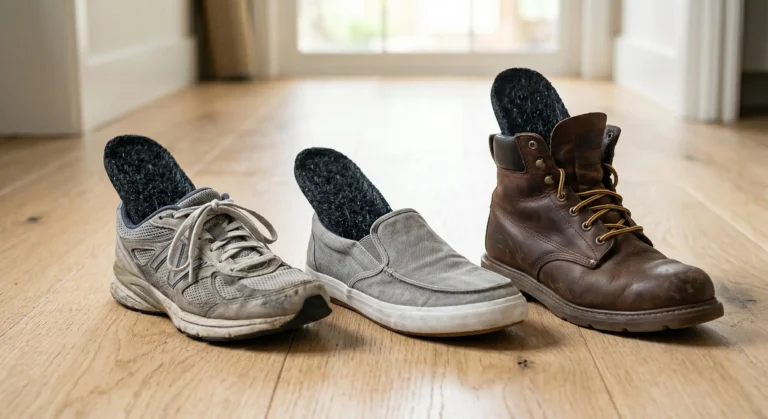
If athlete’s foot keeps returning despite treatment, the shoe is almost always the problem. Antifungal creams clear the infection from the skin. They do not clear the fungal spores that persist in the insole, the shoe lining, and the fabric upper. Putting a treated foot back into a contaminated shoe restarts the cycle. Antifungal insoles break that cycle at the source.
Key Takeaways:
- Athlete’s foot (tinea pedis) is a fungal infection driven by moisture and heat inside closed footwear
- Antifungal insoles reduce recurrence by removing the conditions fungi need, not by treating active infection
- Bamboo charcoal insoles inhibit fungal growth naturally; silver ion insoles kill fungi more aggressively
- RoamingFeet’s Bamboo Charcoal Antibacterial Insoles ($26.05) are the best natural antifungal option for everyday use
- Clear active infections with antifungal medication first; insoles are the prevention layer after clearance
What Causes Athlete’s Foot and Why Insoles Matter
Athlete’s foot is caused by dermatophyte fungi, most commonly Trichophyton rubrum and Trichophyton mentagrophytes. These fungi do not generate infection on their own. They require a specific environment: warmth above 25 degrees Celsius, sustained moisture, and darkness. The interior of a closed shoe provides all three for the entire time it is worn.
Shared surfaces accelerate exposure. Gym changing rooms, swimming pool surrounds, and locker room floors are high-transmission zones because fungal spores persist on surfaces and transfer readily to bare skin. But exposure alone does not cause infection. The foot picks up spores, then the shoe creates the conditions for those spores to establish.
Standard foam insoles make this worse. They absorb sweat and hold it in the material, maintaining the damp conditions fungi need across a full day of wear and overnight while the shoe is not airing out. Antifungal insoles interrupt this process. By absorbing moisture more aggressively or actively killing fungi, they deny the fungus the conditions it needs to grow.
Elena competed in five-a-side football three times a week and had recurring athlete’s foot every two to three months despite consistent treatment with antifungal cream. Her podiatrist pointed out that she was treating the infection on her skin while putting her feet back into football boots that had never been decontaminated. After replacing her insoles with bamboo charcoal, starting each session with dry socks, and using antifungal powder in her boots between sessions, she went eight months without a recurrence.
What to Look for in Antifungal Insoles
Antifungal Mechanism
The insole material must actively disrupt fungal conditions or kill fungi directly. Look for one of these:
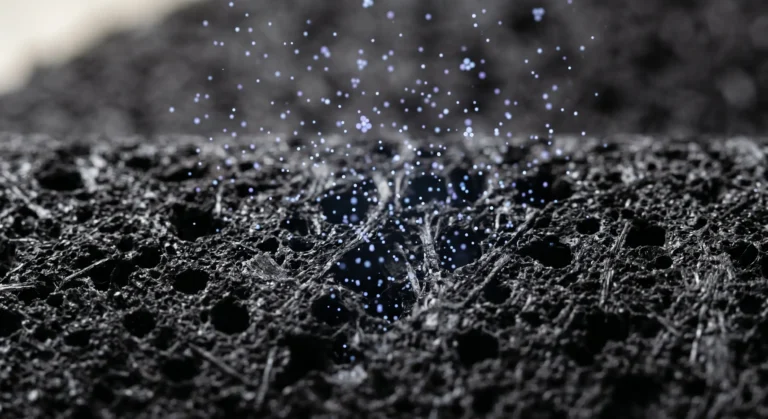
Bamboo charcoal absorbs moisture from the shoe environment. Less moisture means the fungus cannot establish, regardless of whether spores are present. Bamboo charcoal also has documented natural antimicrobial properties. It works passively and continuously, requires no chemical activation, and is suitable for sensitive skin.
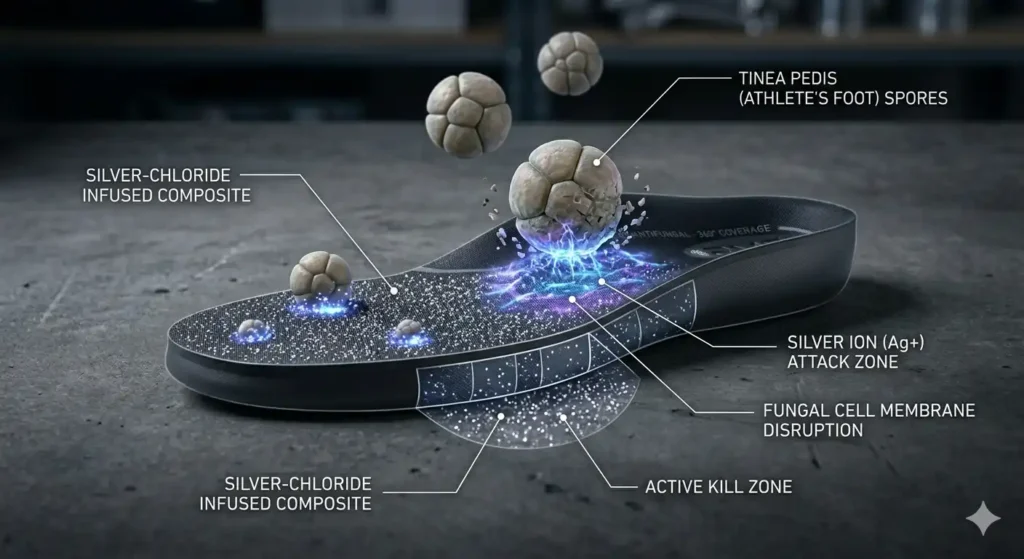
Silver ions disrupt fungal cell membranes and enzyme activity through the same mechanism that makes them effective against bacteria. Silver-based treatments in clinical use have demonstrated antifungal activity against dermatophyte species including Trichophyton. More aggressive and faster-acting than bamboo charcoal. Involves synthetic processing.
Zinc pyrithione (found in dual-action products like Kaps Fresh Carbonex) is a synthetic compound with both antibacterial and antifungal properties. Used in antifungal shampoos and skin treatments. The strongest option for direct fungal killing, but not natural.
Moisture Management
Any antifungal insole must control moisture. An insole that claims antifungal properties but sits in a pool of sweat provides no meaningful protection. Absorption capacity and breathable construction are the practical requirements, not just the labeling.
Full Coverage and Fit
Antifungal protection needs to cover the full foot contact area. Half-length insoles leave the heel and arch exposed to the contaminated shoe interior. Full-length antifungal insoles provide consistent coverage across the entire plantar surface.
Best Antifungal Insoles for Athlete’s Foot
Best Natural Option, RoamingFeet Bamboo Charcoal Antibacterial Insoles
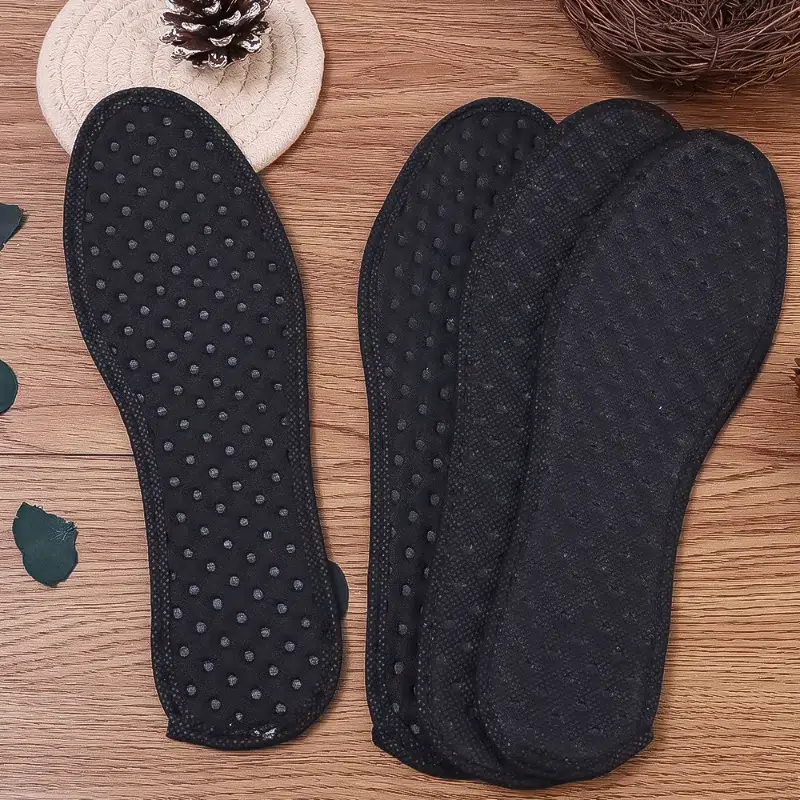
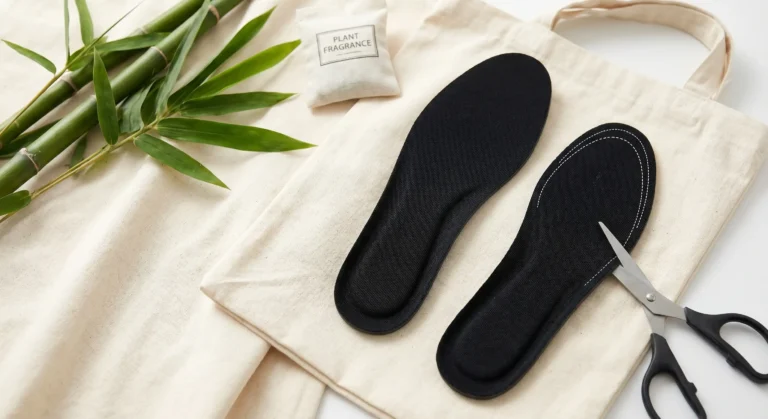
Mechanism: Bamboo charcoal natural absorption and inhibition Material: Cloth, cotton, plant fragrance Price: 26.05 per pair (49.05 for four pairs) Sizes: EU 40-45, trimmable Best for: Everyday prevention, eco-conscious buyers, sensitive skin, all shoe types
RoamingFeet’s Bamboo Charcoal Antibacterial Insoles are the best antifungal insoles for athlete’s foot prevention for buyers who want a natural, chemical-free approach. The bamboo charcoal core absorbs moisture continuously throughout the wear period, removing the damp conditions both bacteria and fungi depend on. The trimmable, full-length design fits athletic shoes, work shoes, and casual footwear, providing complete plantar coverage in any shoe type.
For most buyers dealing with recurring athlete’s foot, the cause is the shoe environment rather than inadequate treatment. Bamboo charcoal addresses that environment directly. At 26.05 per pair, with a four-pair bundle at 12.25 per pair, rotating insoles across multiple shoes is affordable and significantly extends protection.
Best for Maximum Coverage, Silver Ion Insoles (Polygiene-Treated)
Mechanism: Silver-chloride salt treatment, active fungal and bacterial killing Price: Approx. 25-45 depending on brand Best for: High-exposure environments, competitive athletes, gym and pool users
Silver ion insoles, including those using Polygiene’s StayFresh technology found in Dr. Scholl’s and similar brands, actively kill fungi and bacteria rather than simply removing the conditions they need. For buyers who use shared facilities frequently, play contact sports, or have repeatedly failed to break the recurrence cycle with moisture management alone, silver ion coverage is the stronger option. The tradeoff is synthetic processing and the potential for limited bacterial resistance with long-term repeated use.
Best Dual-Action Option, Kaps Fresh Carbonex

Mechanism: Activated carbon and zinc pyrithione Price: Approx. 15-20 Best for: Severe recurring athlete’s foot, gym shoes, work boots
The Kaps Fresh Carbonex provides the most aggressive antimicrobial and antifungal coverage available in an OTC insole. Activated carbon handles odor and moisture compounds while zinc pyrithione directly targets fungi and bacteria. For buyers with persistent, medically confirmed recurring tinea pedis who want maximum chemical prevention, this is the strongest available option. Not suitable for sensitive skin or buyers who prefer natural materials.
Medical Note
Antifungal insoles prevent recurrence but do not treat active infections. If you have current athlete’s foot symptoms, including itching, burning, scaling skin, blistering, or skin breakdown between the toes, consult a pharmacist or podiatrist for antifungal medication first. Insoles are the prevention layer once the infection is cleared, not a substitute for treatment.
Antifungal Insoles vs Antifungal Medication
These are complementary tools, not alternatives. They address different stages of the same problem.
Antifungal medication (creams, sprays, or oral tablets) kills the active fungal infection on the skin. This is the treatment phase. Without medication, an active infection will not resolve through insole use alone.
Antifungal insoles prevent the shoe environment from re-introducing or sustaining fungal growth after the infection clears. This is the prevention phase. Without insoles, a successfully treated infection is likely to return when the foot goes back into a shoe that still harbors spores.
Most recurring athlete’s foot follows a predictable pattern: treatment clears the skin infection; the shoes are not addressed; spores in the shoe re-infect the treated skin within weeks. Antifungal insoles break this cycle by making the shoe interior inhospitable to fungal regrowth.
For buyers managing foot conditions that require both structural support and antifungal protection, a combination approach works well. Silicone gel insoles provide cushioning and shock absorption that pairs with a thinner antifungal layer, for buyers whose shoes have sufficient depth for two insoles.
Preventing Athlete’s Foot from Returning
Antifungal insoles work best as part of a consistent prevention routine. Four habits compound their effectiveness significantly.
Dry feet thoroughly after washing, especially between toes. Tinea pedis establishes most readily in the moist skin folds between the fourth and fifth toes. Drying completely before putting on socks and shoes eliminates the primary transmission window.
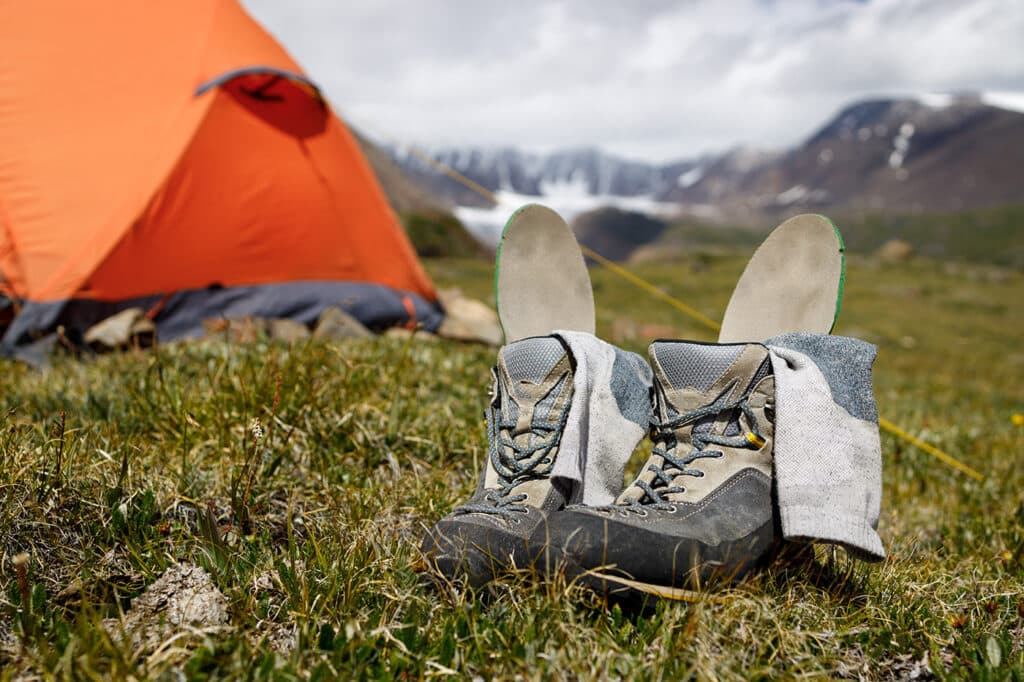
Rotate shoes and allow full drying time. Fungal spores survive in damp shoe material for extended periods. Wearing the same pair two days in a row means the shoe never dries. Alternating between two pairs with at least 24 hours between wears breaks this pattern.
Use moisture-wicking socks. Cotton holds sweat against the skin throughout wear. Merino wool and synthetic moisture-wicking materials move sweat away from the foot surface, reducing the moisture available to fungi. Combined with bamboo charcoal insoles, this provides moisture control from both directions simultaneously.
Use antifungal powder in footwear. For high-risk footwear that cannot be replaced or adequately ventilated, antifungal powder applied directly to the shoe interior adds a further layer of prevention. Workers in steel-toed boots, soldiers, and athletes in equipment footwear benefit most from this combination with insoles for military boots or similar sealed footwear.
Ryan worked warehouse shifts in steel-toed boots and developed athlete’s foot twice in 12 months. He treated each infection with over-the-counter antifungal cream, which cleared the skin symptoms within two weeks both times. He did not replace his insoles or treat the boots. His podiatrist recommended replacing the insoles with bamboo charcoal, applying antifungal powder to the boots weekly, and switching to moisture-wicking socks. He has been infection-free for 11 months.
Conclusion
The best antifungal insoles for athlete’s foot do not treat infection. They prevent it from returning by removing the shoe conditions that fungi require. For most buyers, bamboo charcoal insoles provide the most practical and natural prevention layer: continuous moisture absorption, natural fungal inhibition, no synthetic chemicals, and a lifespan of 6-12 months before replacement.
For buyers with severe recurring tinea pedis or regular exposure to high-risk environments, silver ion or dual-action insoles provide more aggressive protection.
Clear the active infection with antifungal medication first. Then replace your insoles. That combination, not either tool alone, is what actually breaks the recurrence cycle. For a full comparison of antibacterial and antifungal insole mechanisms, the guide to best antibacterial insoles covers every major material in detail.
Stop athlete’s foot at the source.
Our Bamboo Charcoal Antibacterial Insoles absorb moisture and inhibit fungi naturally, all day, in any shoe. No synthetic chemicals, biodegradable, trimmable to fit.
Shop Bamboo Charcoal Insoles →Free shipping on $50+ · Free returns on all orders
Frequently Asked Questions
Do antifungal insoles work for athlete’s foot?
Yes, for prevention. Antifungal insoles reduce the warm, moist environment that athlete’s foot fungus needs to survive. They do not treat active infections, which require antifungal medication. Used after treatment, they help reduce recurrence.
Can insoles prevent athlete’s foot?
They reduce the risk significantly. Combining antifungal insoles with moisture-wicking socks, rotating shoes, and drying feet thoroughly helps prevent reinfection and controls the environment where fungus thrives.
What is the best material for antifungal insoles?
Bamboo charcoal is a natural option that absorbs moisture and inhibits microbial growth. Silver ions provide stronger antifungal action, while zinc pyrithione is one of the most effective synthetic antifungal agents used in insoles.
Can I use antifungal insoles while treating an active infection?
Yes. Using new insoles during treatment helps prevent reinfection from contaminated footwear and supports recovery by maintaining a cleaner shoe environment.
How long do antifungal insoles last?
Most antifungal insoles remain effective for 6–12 months. Replace them when odor or moisture problems return despite proper care.